
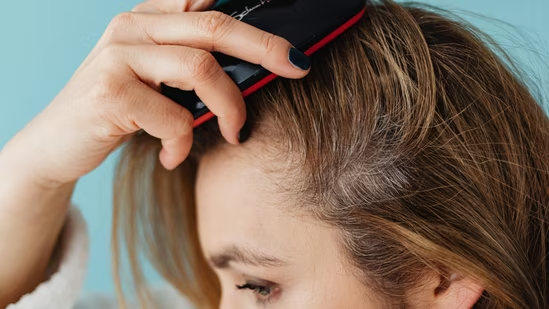

Among areas exposed to sunlight, attention often falls on the limbs and face first. Yet, the scalp tends to escape routine care despite showing visible reactions when left unprotected. In conversation with Tezzbuzz Lifestyle, Dr Gaurav Garg, consultant dermatologist, hair transplant surgeon and dermatosurgeon, founder and director of Dermalife Skin and Hair Clinic, explains how the scalp is equally vulnerable to sun damage and why it needs protection.
Dr Garg said, “During summer seasons, there are increasing visits tied to discomfort on the scalp leading to flaking, soreness, heightened colouration presenting beneath hairlines.” Such symptoms mirror patterns seen across epidermal regions under UV exposure, confirming their similar sensitivity. Rarely included in daily routines, this section responds just as readily to solar intensity.
Also read | Think sun damage is only about sunburn? Dermat shares 4 silent damages to watch out for
How does scalp sunburn happen?
“Skin on the head becomes exposed easily if hair grows sparse, parts widely, or vanishes due to medical conditions like alopecia,” said Dr Garg. Though strands offer a shield, it often fails under strong sunlight or long outdoor periods. When UV rays slip past hair, they strike bare patches, sometimes causing burns. Over time, frequent harm from solar exposure might speed up tissue wear and raise the chances of growths – among them, squamous cell carcinoma. With little coverage, defense weakens each unprotected minute and adds strain.
Scalp sunburn signs
Dr Garg highlighted that redness appears first, followed by soreness when touched. A tingling feeling might develop later, especially during brushing. Days afterward, skin can shed in thin layers instead of staying intact. Painful spots sometimes emerge without clear warning at first glance. Visibility limits detection since hair covers most areas naturally. Signs gain attention only once severity increases beyond mild stages.
How to prevent scalp sunburn?
Dr Gard recommends wearing a wide-brimmed hat that shields the scalp reliably when outdoors. Those avoiding headwear have another option, which is using sunscreens made just for scalps. A mist, gel, or powder might feel nearly weightless on skin. These light versions often skip the tacky finish altogether. Sunscreens labeled SPF 30 and higher block a solid share of harmful rays. Protection like that reduces harm from sun exposure quite clearly. Coverage matters most where skin shows: near the edges of hair and parts.
According to Dr Garg, midday sunlight tends to carry the most intense ultraviolet exposure, particularly from ten until four. Thus, it’s better to skip those hours.
“A scalp sunburn requires careful handling,” said Dr Garg. When discomfort appears, relief may come from cool clothes alongside mild moisturisers, while staying clear of sunlight slows worsening.
Note to readers: This article is for informational purposes only and not a substitute for professional medical advice. Always seek the advice of your doctor with any questions about a medical condition.

Comments are closed.