
11 Indian ships turned out to be safe, as the tension subsided, the turmoil in the Persian Gulf increased

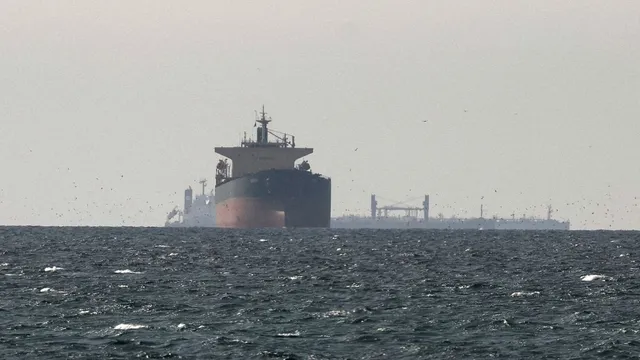
Amidst the ongoing tension in West Asia, a big and positive news has emerged for India. Following the historic peace agreement (MoU) between the US and Iran, the Strait of Hormuz has reopened. According to official data from the Ministry of External Affairs, 11 important ships visiting India have safely passed through this strategic waterway after the agreement came into effect. Safe return of ships: Foreign Ministry update Foreign Ministry spokesperson Randhir Jaiswal gave detailed information in the press briefing on Tuesday. He clarified that Indian movement has increased since the signing of the peace agreement between America and Iran on June 17. The 11 ships include three Indian-flagged mega crude oil tankers, each carrying more than 2,85,000 metric tonnes (MT) of crude oil. In addition, six bulk carriers and LPG carriers carrying food grains and other critical cargo have also successfully transited out of Hormuz. Indian ships are still active in the Persian Gulf Randhir Jaiswal further said that currently 10 Indian flagged ships are still present in the Persian Gulf area. However, after the peace agreement, the situation has improved a lot, due to which it is expected that these remaining ships will also complete their journey without any hindrance very soon. The Ministry is continuously monitoring this entire development and is making every possible effort to ensure the safety of Indian ships. Hormuz is important for global oil supply. The Strait of Hormuz is the world’s busiest and strategic waterway, through which about 20 percent of the global oil supply passes. The 60-day ceasefire agreement between America and Iran has played a big role in restoring peace in the region. The lifting of the blockade has not only ensured India’s energy security, but is also a big positive sign for global trade. After the agreement, now the Strait of Hormuz is once again completely open for the movement of international ships.

Comments are closed.