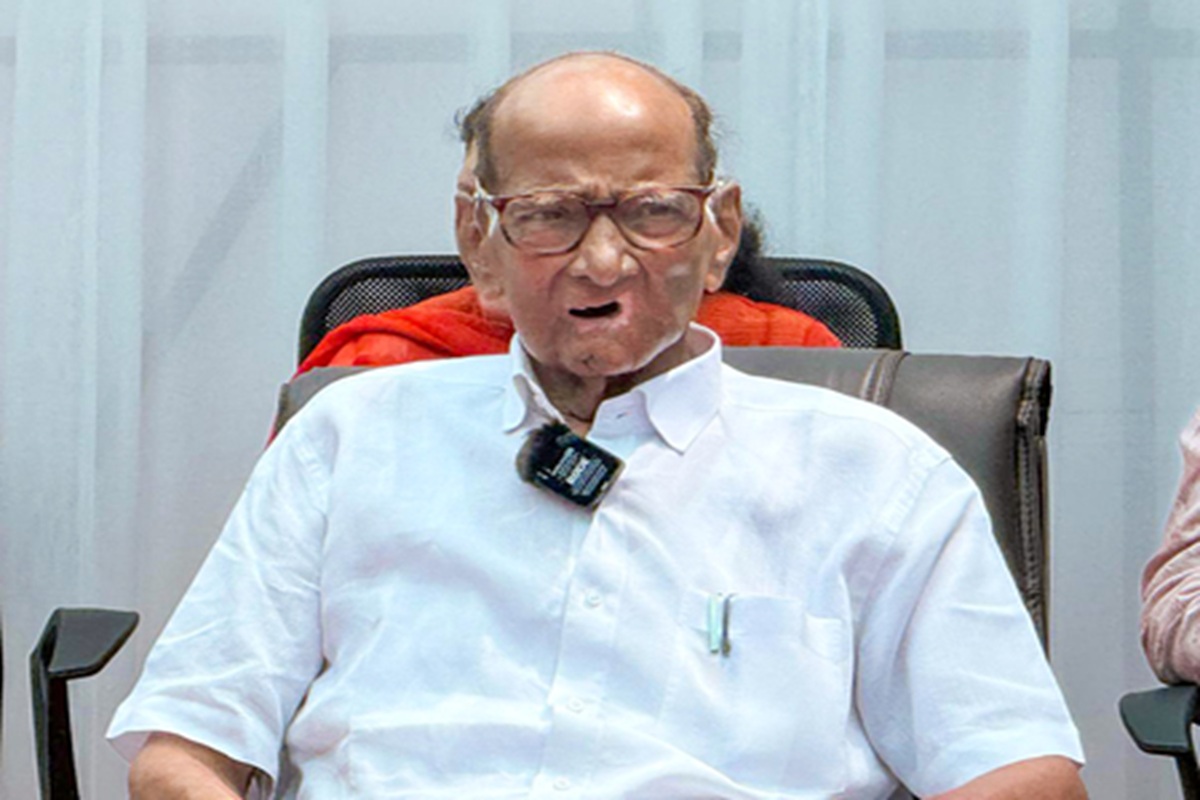
Referring to the basic philosophy of the group, founded by Jamsetji Tata and pioneered by Sir Dorabji Tata and Sir Ratan Tata, Pawar said in a statement that the core vision of this industrial group was to ensure that the earnings from the business are invested in social welfare activities.
He said that under this arrangement, majority ownership in Tata Sons was deliberately transferred to charitable trusts, rather than concentrated in the hands of any single individual. Currently, large charitable institutions like Sir Ratan Tata Trust and Sir Dorabji Tata Trust hold about 66 per cent of Tata Sons' equity. The dividends from this large stake directly fund critical sectors like public health, education, research and rural livelihoods.
Pawar emphasized that Maharashtra is home to this magnificent heritage, with institutions of national importance established by trusts, such as Tata Memorial Hospital, Tata Institute of Fundamental Research (TIFR), Tata Institute of Social Sciences (TISS) and National Center for the Performing Arts (NSPA).
Pawar said that if the role of trusts weakens, it will have a direct impact on these important institutions.
Referring to the Tata Sons board meeting held on September 17, Pawar asked executive chairman N. He pointed to the controversial 4-1 vote on extending Chandrasekaran's tenure by five years and steps taken towards listing Tata Sons on the stock exchange. Tata Trust Chairman Noel Tata voted against both the resolutions, while Nominee Director Venu Srinivasan voted in favour.
Pawar said that under the company's 'Articles of Association', important decisions related to leadership require the approval of both the nominee directors representing the trusts holding majority stake. Therefore, he said the resolution passed 4-1 is not legally valid.
Pawar stressed that the veto and approval rights given to the nominee director of Tata Trusts in decisions related to top corporate leadership should be respected.
Concluding his remarks, Pawar said that adhering to corporate governance standards, respecting internal rules and maintaining a trust-led ownership structure is important to maintain public trust.
He appealed to all stakeholders to respect this institutional legacy and said that it is everyone's collective responsibility to safeguard a group deeply committed to India's national development.
In his post on