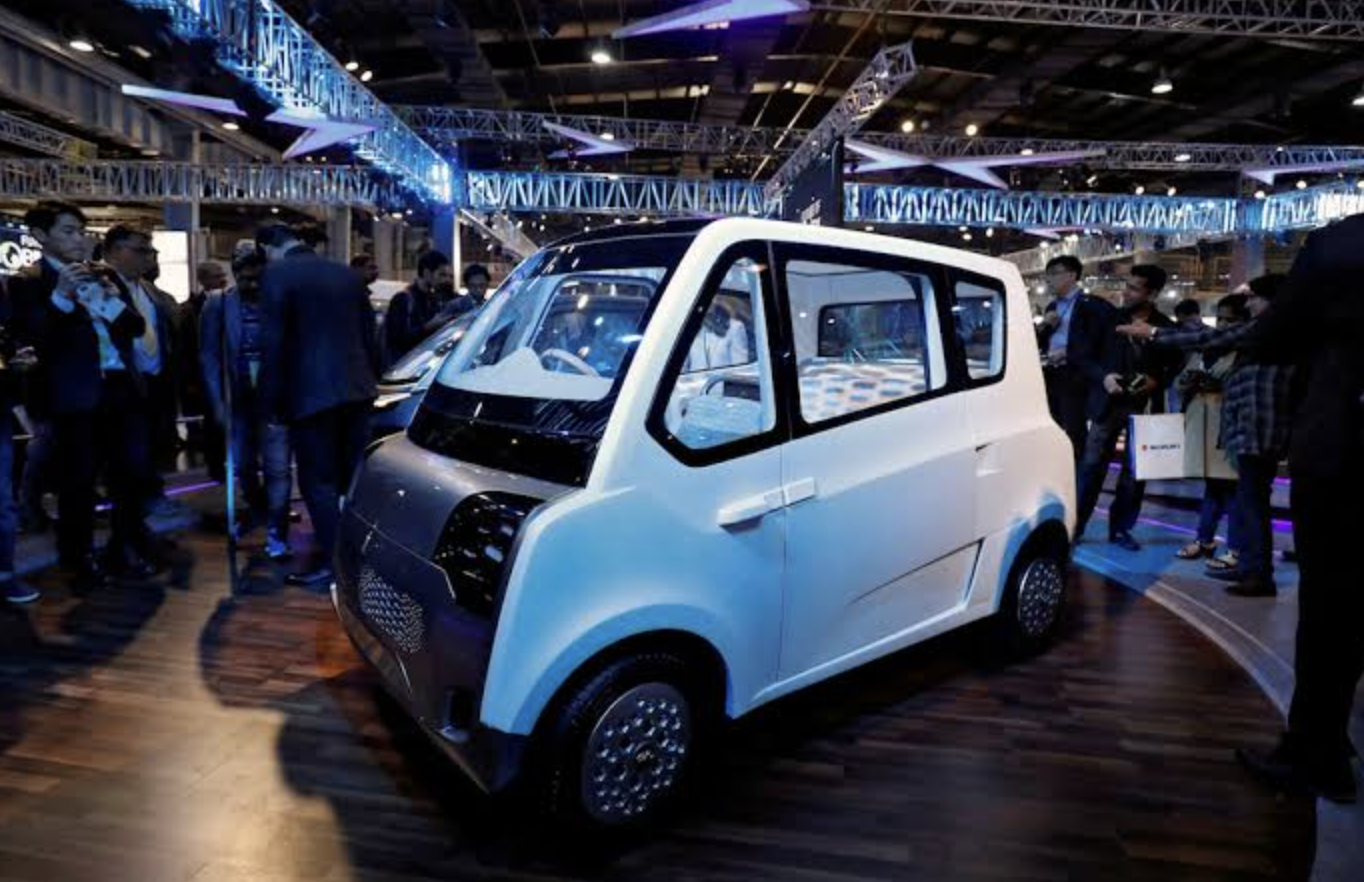
India’s passenger vehicle market is witnessing a significant change in consumer preferences, with CNG, hybrid and electric vehicles collectively accounting for 42% of passenger vehicle sales in August 2026. For the first time, these cleaner-fuel alternatives together overtook petrol, whose share fell to a record low of 41%.
The shift signals a broader change in how Indian consumers are evaluating their next car, with running costs, fuel choices and newer technologies increasingly influencing purchase decisions.
CNG Emerges as a Major Choice
CNG was the biggest contributor to the shift. Its share of passenger vehicle sales rose to a record 25% in Augustcompared with 21% a year earlier.
Lower running costs and the expanding CNG ecosystem have helped make the fuel increasingly attractive, particularly for buyers who are not yet ready to move completely to electric vehicles.
EV Sales Continue to Grow
Electric vehicles are also gaining ground rapidly. Electric car sales increased by around 52% year-on-year to about 30,700 units in Augustgiving EVs a 7.7% share of passenger vehicle sales.
Tata Motors remained a major player in the segment, with its EV share recovering to around 43%. The company has built one of India’s broadest electric passenger-vehicle portfolios.
Mahindra & Mahindra also remained a significant EV player, while JSW MG Motor continued to compete strongly despite its EV share declining amid increasing competition.
Hybrids Add Another Alternative
Hybrid vehicles are becoming another important bridge between conventional petrol cars and fully electric vehicles. They offer buyers the familiarity of an internal-combustion engine while improving fuel efficiency through electric assistance.
The growing popularity of hybrids suggests that consumers are not necessarily choosing between only petrol and EVs. Instead, the market is becoming increasingly multi-powertrainwith different technologies appealing to different driving requirements.
Petrol’s Dominance Is Being Challenged
Petrol still accounts for a large portion of India’s car market, but its declining share is significant. In August, petrol’s share dropped from around 46% a year earlier to 41%.
The shift comes amid changing consumer attitudes towards fuel costs and vehicle technology, as well as uncertainty around the transition to higher ethanol-blended petrol.
At the same time, overall passenger-vehicle retail sales grew 16% year-on-year in Augusthelped by improved affordability following recent GST changes.
Automakers Face a New Market Reality
The changing fuel mix is forcing automakers to rethink their product strategies. Companies can no longer rely solely on petrol models and increasingly need portfolios covering CNG, hybrids and EVs.
The August numbers therefore represent more than a temporary change in fuel preferences. They point towards a passenger-vehicle market where consumers increasingly expect manufacturers to offer multiple cleaner and more economical choices.
Summary
CNG, hybrid and electric vehicles together captured 42% of India’s passenger vehicle sales in August 2026, overtaking petrol for the first time. CNG reached a record 25% share, while EV sales rose sharply and hybrids continued gaining acceptance. With petrol falling to 41%, India’s car market is moving towards a more diverse, cleaner-fuel mix.
Image Source