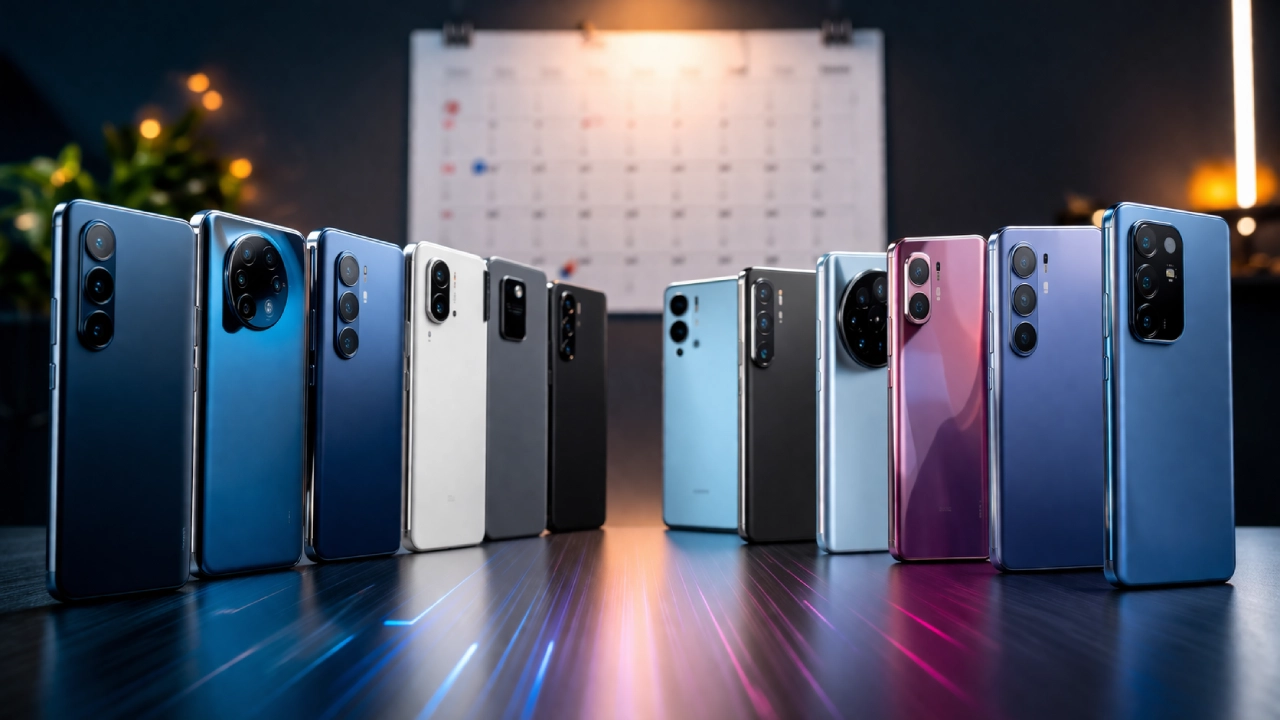
When assessing the real-world value of 2026 smartphone featurestechnical marketing specifications look powerful on paper, but everyday device usage tells a completely different story. Real experience doesn’t change when using a phone every day for calls, WhatsApp, Instagram, YouTube, office work, photos, or maps.
On paper, everything looks powerful. But when you actually use a phone every day for calls, WhatsApp, Instagram, YouTube, office work, photos, maps, many of those big features do not change your real experience.
So let’s talk honestly. No hype. No tech show language. Just simple things that matter when you spend your money.
On-Device AI and Vital 2026 Smartphone Features
This year, AI is everywhere. You have the camera. AI writing help. AI call summary. AI search. AI battery saving. AI assistant. Nevertheless, there is one question you should consider: How can this technology help you with your daily life?
On-device AI means all processing occurs on your phone, so that all processing occurs locally rather than sending the data off-site. That usually means two things. It works faster. And your data stays more private.
For example, if you can remove a person from a photo without the internet, that is useful. If your phone can translate someone’s speech even when there is no network, that is practical. If voice typing works in airplane mode, that is a real improvement. But many so-called AI features still need the internet. If Wi-Fi is off and the feature stops working, then it is not fully on-device.
Some brands use the word AI for small things like wallpaper suggestions or emoji changes. That sounds modern, but it does not really improve daily use. So before buying, check one thing clearly: which AI features work offline?
That tells you the real story.
AI and Privacy: Something Buyers Now Care About
Phones today handle very personal data. Photos. Videos. Voice notes. Messages. Documents. If AI processes this data inside the phone, it feels safer. Some users may not be comfortable with everything being moved to cloud storage.
In 2026, a lot more users will be aware of the importance of privacy and should check if the phone gives them control over AI permission settings. Can you turn off cloud processing? Does the company clearly explain how your data is handled?
A phone that quietly protects your information is better than one that keeps talking about smart features but shares data online.
Bigger Batteries: The Truth Behind the Numbers
Now let’s talk about the battery. Almost every new phone comes with a 5,500mAh or 6,000mAh battery. Some even more. It sounds great. A bigger battery means longer life, right?
Not always. Battery life depends on many things. Processor efficiency. Screen type. Refresh rate. Software control.
An efficiently designed phone with 5000mAh will last longer than one that is poorly designed at 6000mAh. Larger batteries have a heavier weight than smaller ones, so some 2026 phones come across as heavy but will also seem too big in your pocket.
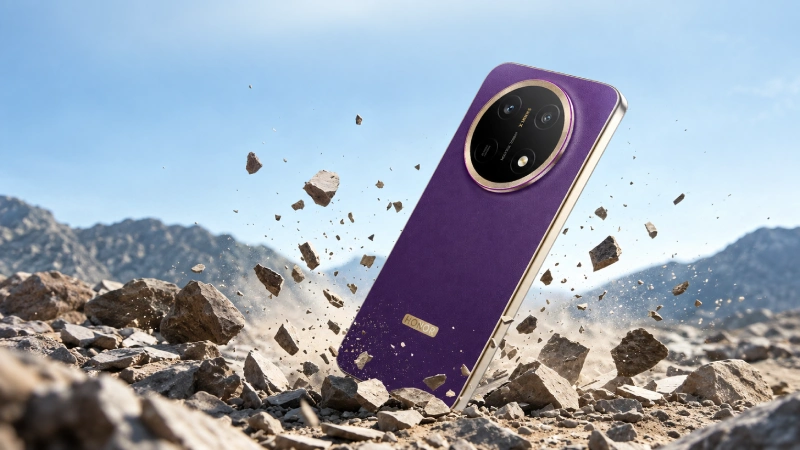
Some 2026 phones feel solid, but also bulky in the pocket. If you use your phone a lot during the day, weight matters. Then there is fast charging. At 120 and 150 watts and higher for some devices, the experience of charging for just 20 minutes can be quite appealing.
However, a large concern with these charging speeds is heat, and how well a phone regulates its temperature will ultimately determine the health of its battery over time. Many phones now also slow down charging speed when they are left plugged in overnight to help conserve battery life. That is more useful than extreme charging speed. So instead of only looking at mAh numbers, check real battery reviews and long-term feedback.
Connectivity Upgrades: Do You Even Need Them?
There will be more discussions about:
- 5G Advanced
- Wi-Fi 7
- Improved Bluetooth
- Satellite messaging
However, benefits will only be available for some people, depending on where they live. If your city doesn’t have good 5G Advanced service, you will still feel like you’re having the same internet experience as you do today.
Wi-Fi 7 will only be useful if you have a compatible router. Satellite features will be utilized when in remote areas, but rarely in urban cities. When the surrounding area is able to accommodate changes in connectivity ability, it is more likely that these upgrades will be used effectively.
Software Updates: This Decides How Long Your Phone Lives
This is one area many people ignore while buying. By the time 2026 comes around, most hardware will be able to hold out for a good four or five years. However, if manufacturers stop supporting the apps on your device after only 2 years, it won’t take long before people consider their old phones obsolete and have been exposed to less than ideal security over that same period.
This commitment to the brand supports device longevity, keeping phones aligned with their original intentions and offering enhanced security and improved performance over their lifetime. Before buying, check the update policy clearly. Also see the company’s record. Do they actually deliver updates on time?
A phone with strong update support is usually a smarter long-term buy.
Durability: Very Important but Rarely Discussed
Phones are expensive now. Repair is also expensive. So durability matters more than ever. Check if the phone has proper water and dust resistance. Look at the build quality. Does it feel solid?
Also, check service support. Are spare parts easily available? Is screen replacement affordable?
A phone that survives small drops and lasts for years gives peace of mind. Fancy features are good. But strong build quality saves money.
Performance: Don’t Chase Numbers Blindly
Performance in 2026 is good, even in mid-range phones. Most phones can handle daily apps, video streaming, social media, navigation, and even light gaming smoothly.
Flagship processors are powerful. But unless you are doing heavy gaming or video editing every day, you may not feel the difference in normal use.
Benchmark scores look impressive in advertisements. But smooth software experience matters more than raw numbers. Choose based on your real usage.
Storage and RAM: Think Ahead
Apps are getting bigger. Photos and videos take up more space. AI features also use storage. 256GB of memory will probably seem like a good amount of storage in 2026, as long as you plan to keep your phone for a few years.
RAM allows users to utilize their phones better by using multiple applications and/or keeping apps running in the background. Even though the entry-level storage option could save you money today, in the future, that same storage option may feel small or limited. Think long term.
Offline AI vs Cloud AI: Why It Changes Daily Use
“Offline-AI operates without the aid of an internet connection, allowing translation, image modification, or voice typing even in cases where connectivity is tenuous. Alternative-Cloud-based AI requires an internet connection, and as such, the manner in which an individual uses cloud-based AI is mostly dependent on how strong their internet connection is at that time.
So, for example, someone who travels often for work or lives in a rural area where their internet is not easy to get or is unpredictable will find offline AI to be much more reliable than cloud-based AI. So again, check which features truly work without internet.
Mid-Range Phones Are Stronger Than Ever
Mid-range smartphones have made ability to better perform, last longer, and have great photography than earlier models, all while being much lower priced than flagship models in 2026.
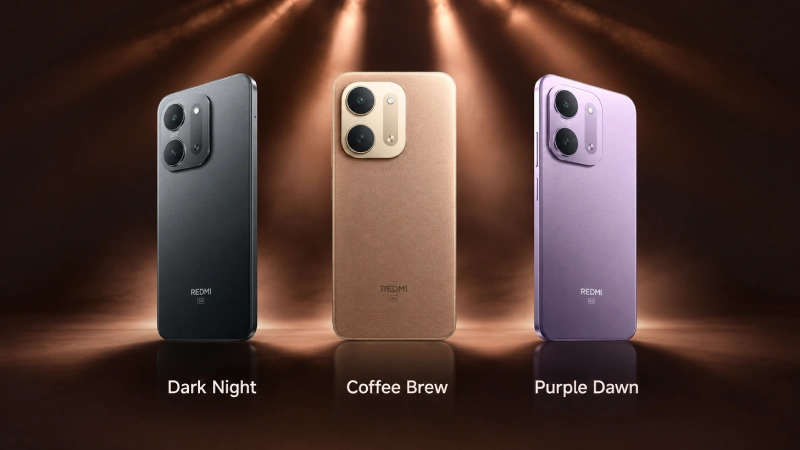
Most consumers will be perfectly happy with mid-range phones, unless someone is absolutely desperate for top-of-the-line cameras or construction type. Special Pricing Does Not Equal Better Experience.
Should You Upgrade in 2026?
If your phone still runs smoothly, gets updates, and has good battery life, there is no urgent need to upgrade. But if it drains fast, feels slow, or no longer receives updates, a new phone can help. Upgrade for real needs, not marketing.
What Actually Matters This Year
After removing all marketing noise, the important things are simple. A phone that runs smoothly for years. A battery that lasts a full day without stress. AI features that work even without the internet. Regular software updates. Strong build quality. Privacy control. Everything else is extra.
When you think about a phone for 2026, think about the differences between its features and the basic requirements or voids you need filling in your daily life with this device. You also want to be sure that the phone you select will be an enduring item, one that won’t create any residual challenges after you purchase it throughout its lifetime. That is the difference between marketing and real value.