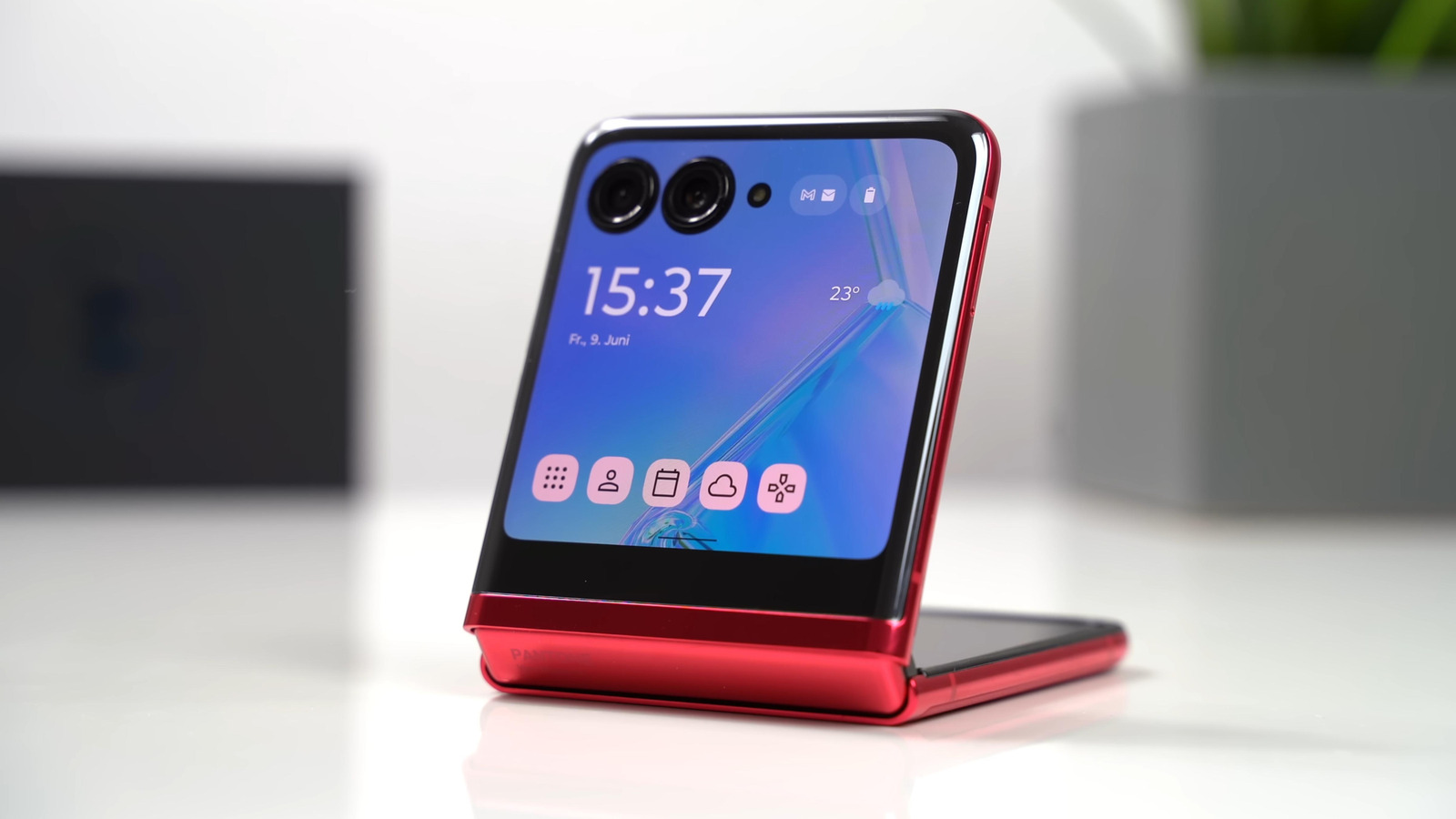
If you’re searching the market today for a new Android smartphone, Motorola may not be the first name that comes to mind. Samsung’s long-term reign over the Android phone industry, alongside established Chinese competitors like Oppo and Xiaomi, leaves Motorola a secondary choice for many.
When it comes to innovative technology, the brand is by no means a bad company. Motorola built the radio equipment responsible for the first words on the moon. However, in today’s distant world of smartphones, the company has lent itself plenty of room for criticism, whether it be making handsets without NFC technology, selling products with lacking features or poor performance, or failing to deliver long-term software updates on many models. If you’re considering picking a Motorola phone as your next Android companion, here are three downsides to know before you buy one.
The brand offers limited update support
If you’re like most people and want to hold on to your handset for a few years, many leading smartphone companies offer long-term OS updates. Unfortunately, Motorola doesn’t belong in this category, with several models offering limited software support and security patches. For instance, the Motorola Edge 70 Max and Motorola Edge 2026, which were both released in June this year, have only three years of security updates. Even the more expensive Razr 70 Plus adds only one extra year, receiving security patches for four years.
Besides accessing the latest Android features, there are more pressing risks involved if you don’t update your Android phone. Not having the most recent security patches on your device can expose vulnerabilities, potentially giving hackers access to your data. Another less critical but inconvenient issue of skipping updates is device functionality. Without the latest OS updates installed, your Android phone may encounter software bugs, run slower, and have app compatibility problems.
Contrasting with Motorola’s limited software support, Samsung and Google offer extended and frequent OS updates to their latest devices, which may be a selling point for long-term buyers. Samsung has been giving seven years of updates to major models since the Galaxy S24 series. Google follows suit, with an equivalent seven-year commitment since the Pixel 8, as well as exciting Pixel Drops with new features for fans to enjoy.
There’s lots of bloatware
Bloatware isn’t a new problem for Android phones. Even top phone brands like Samsung have been caught out. The company released a Galaxy Picks feature on its Galaxy Tab S11, providing pre-installed apps that not everybody needed or wanted. Phone manufacturers like Samsung and Xiaomi enable users to delete a reasonable proportion of factory-loaded applications. Motorola, however, carries a bigger issue, namely installing apps without users’ consent.
Many reports from Motorola phone owners mention instances of the company installing new apps without permission, usually derived from its MotoApps system. Other complaints describe intrusive notifications and ad-heavy games being installed after device updates. There are also reports of Motorola’s bloatware making its way through to the lock screen, which is far from easy to remove.
Besides its annoying nature, there are many reasons why you should remove bloatware on your Android phone. Unattended bloatware can use up a lot of storage space and run in the background, causing your device to slow down. For Motorola users, reports of spam-like games installed have been found to request many unwanted permissions, which could pose a potential security threat.
Motorola’s recent prices are hard to justify
As a company, Motorola hasn’t hidden away from offering the latest tech in the industry. The brand jumped on the foldable phone bandwagon in 2019 with the revival of its Razr series, despite receiving a sour response from critics. The foldable lineup continues today, still with a mixed critical reception, largely due to a lack of processor upgrades from previous models.
Perhaps the most difficult lineup to justify the cost is the budget-friendly Moto G series. Sure, one can expect a lack of hardware features compared to flagship models. But both Motorola’s 2025 and 2026 Moto G models have been criticized for performance on basic tasks. Besides functionality, Motorola’s recent camera systems on its Moto G series have also received heavy criticism. The Moto G (2026) model’s lack of a usable secondary camera is one prime example.
When comparing Motorola’s budget models against other noteworthy Android phones under $200, it seems difficult to justify Motorola’s pricing. Similarly priced to the Moto G 2026 model, the Samsung Galaxy A16 carries a higher-resolution OLED display over the Moto G’s standard LCD screen. There’s also a secondary 5MP camera, absent on Motorola’s handset. Plus, the 5G model offers six years of software and security updates, outperforming the Moto G 2026’s lifespan despite launching earlier.