
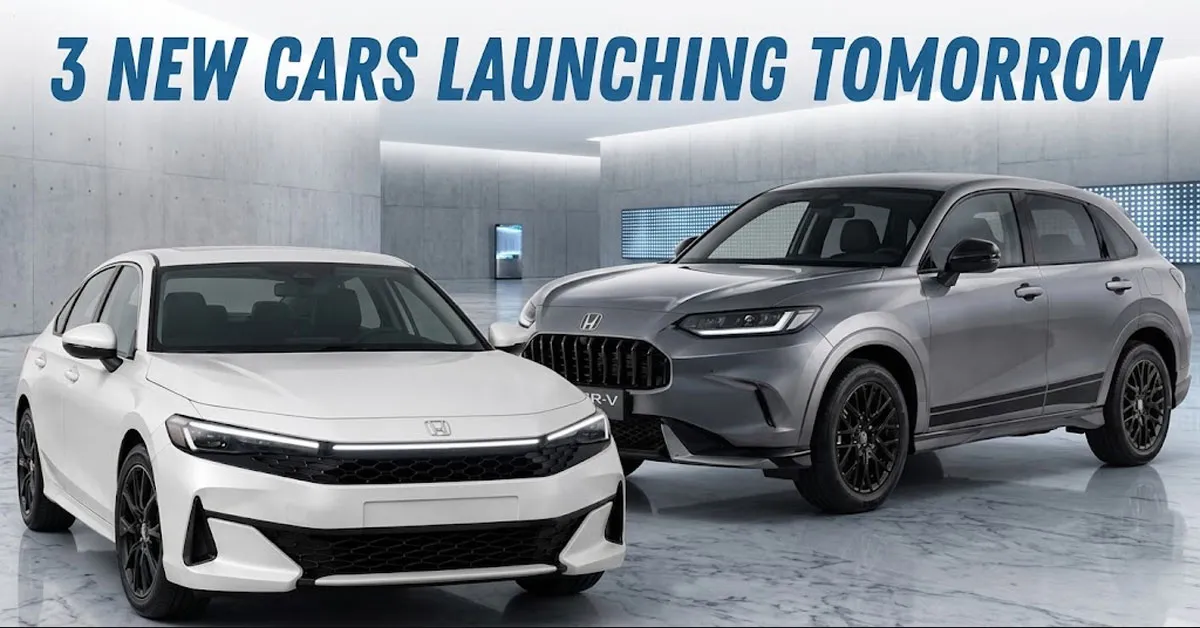

Three new cars will go on sale in India tomorrow, May 22, 2026. Interestingly, these are all from Honda and include both facelifts and all-new models. These are the updated Honda City, Honda City Hybrid facelift, and the new Honda ZR-V. Here’s everything you need to know about these upcoming products.
Honda City continues to be a strong name in the sedan segment. The model on sale currently is the 5th generation City. A full generational update is expected sometime in 2028. This facelift is expected to act as a stop gap and keep the City relevant till then.
The updated City will have subtle design changes and will pack more equipment. Its design has already been leaked online. We will get to see a revised front fascia and tweaked rear end. The side view is likely to remain familiar, but will get new alloy wheels.
The front fascia will get a refreshed grille, new bumper, full-width LED positioning lamps and sleeker headlamps. The rear end will have restyled LED tail lamps and a tweaked bumper.
Even though the carmaker hasn’t revealed it officially, the updated City’s cabin is expected to get new colours and feature upgrades. It will likely get a fully-digital instrument cluster, powered and ventilated front seats, 360-degree camera and more. The infotainment system will likely be larger as well.
On the mechanical front, the facelifted City will remain completely unchanged. It will continue to use the same 1.5-litre naturally aspirated petrol engine, offered with the choice of a manual and a CVT automatic transmission. This setup makes 121hp and 145Nm.
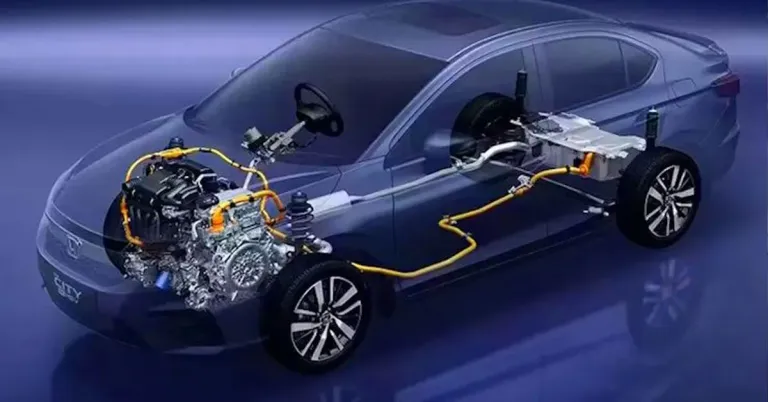
The second product expected tomorrow is the facelifted City e:HEV. This is essentially the strong hybrid version of the City which Honda has been selling in India since 2022. It comes with a 1.5-litre Atkinson-cycle petrol engine paired with a strong hybrid system (battery pack and electric motor) and an e-CVT transmission. This setup has a combined output of 126hp and delivers excellent fuel efficiency as well. The City e:HEV has fuel efficiency as one of its biggest selling points.
The facelift will have updates similar to those of the refreshed City. Changes in exterior styling, interior design and feature list are expected to remain identical. Like the pre-facelift model, the facelifted hybrid City will also have a slightly reduced boost space. This is primarily due to the fact that the hybrid battery is placed under the boot floor.
Honda is said to be working on a newer, more localised and cost effective hybrid technology. The upcoming Elevate hybrid is expected to feature this. The new setup will use a more energy efficient electric motor and a lighter battery pack. It remains unclear if this setup will be used on the facelifted City e:HEV as well.
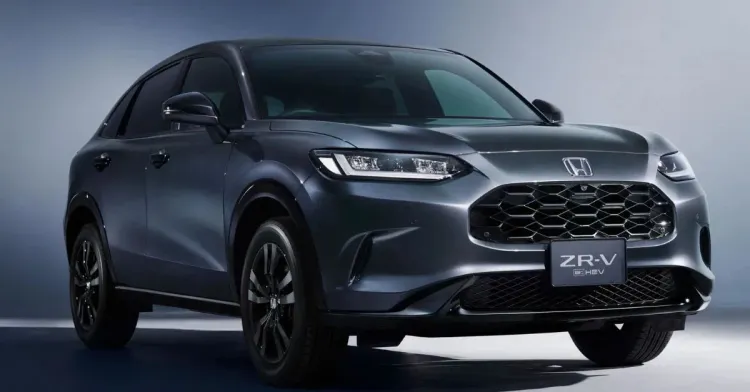
The most important launch of the three is the Honda ZR-V. This premium SUV is already on sale in many global markets and will be brought as limited-number CBUs (Completely Built Units). It is thus expected to have premium pricing here and will likely compete with the Volkswagen Tayron R Line, Volkswagen Tiguan, and Skoda Kodiaq.
The ZR-V shares its platform and underpinnings with the global Civic. It measures 4,568 mm in length, 1,840 mm in width, and 1,611 mm in height. It has a modern, good-looking design. The front fascia gets an octagonal grille with vertical slats, sharp-looking front bumper and sleek LED headlamps. This SUV rides on 17-inch diamond-cut alloy wheels and has clear tail lamps and a sporty rear bumper in global markets.
Even inside, the ZR-V will feel modern and upmarket. It will likely come with features like a large freestanding touchscreen, 12-speaker Bose premium audio, multi-zone climate control, ventilated seats, level 2 ADAS, 10.2-inch digital instrument cluster, metal pedals, panoramic sunroof, and more.
Powering the ZR-V will be a new 2.0-litre naturally aspirated Atkinson-cycle hybrid petrol engine that makes 180hp and 240Nm. The global model has a claimed zero-to-100kph time of under 8 seconds. The same is likely to apply to the India-spec as well.
Comments are closed.