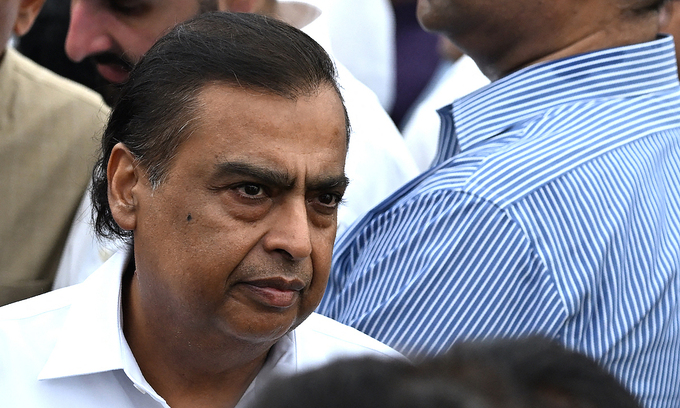
Mukesh Ambani (India)
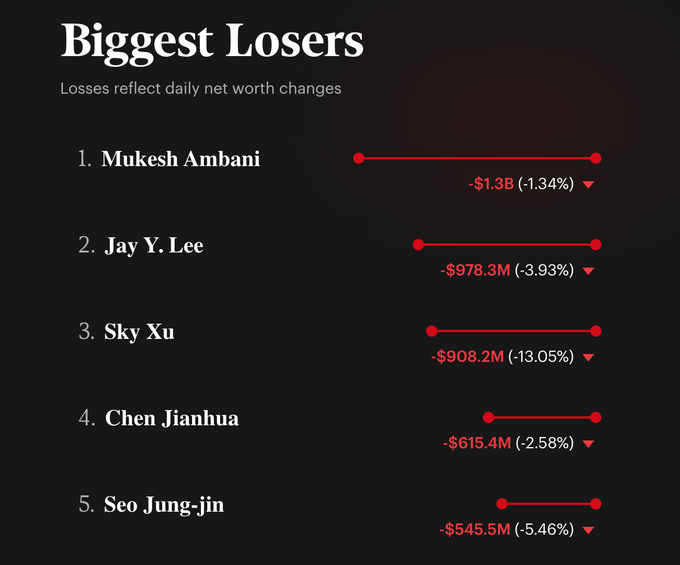
India’s richest man, Mukesh Ambani, saw the biggest drop. His fortune fell by $1.3 billion to $94.7 billion, leaving him 21st in the global wealth rankings.
|
Mukesh Ambani, chairman and managing director of Reliance Industries, seen in Mumbai, India on Oct. 10, 2024. Photo by AFP |
Shares of his flagship conglomerate, Reliance Industries, fell 1.7% on Monday, bringing their year-to-date decline to 14%. Higher costs in its online retail business and a spike in fuel costs earlier this year amid the Middle East conflict have weighed on the stock, according to trading platform Upstox.
Ambani chairs Reliance, which his father, Dhirubhai, founded in 1966 as a small textile manufacturer. Its businesses now span oil refining, petrochemicals, retail and telecommunications.
One of Ambani’s biggest investments was Jio, which took Reliance into mobile communications and broadband. During the Covid-19 lockdown, he raised more than $20 billion by selling about a third of Jio to investors including Facebook and Google.
Last month, Jio Platforms went public in a $3.2 billion offering, the largest in India’s history. Its market value reached $137 billion, making it India’s second-most valuable listed company, behind Reliance itself.
The listing also highlighted the role of Ambani’s children in the family business. Mukesh remains chairman of Jio Platforms, while his eldest son, Akash, is managing director and has chaired its telecom subsidiary since 2022.
Akash and his siblings joined the Reliance board in 2023. His twin sister, Isha, oversees retail and financial services, while their younger brother, Anant, works in energy.
 |
|
World’s biggest wealth losers on Nov. 23, 2026. Data by Forbes |
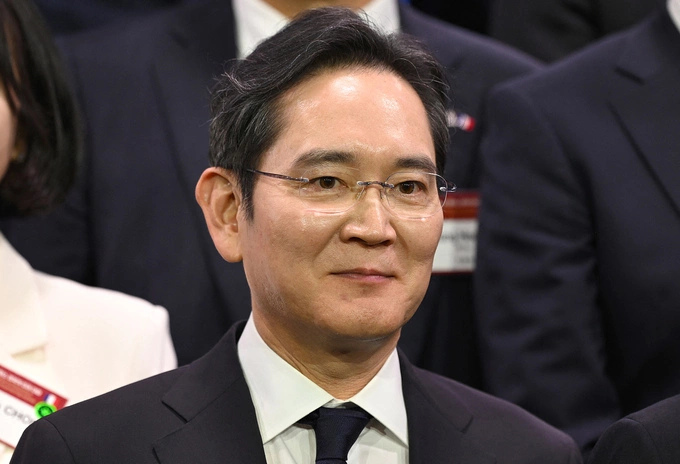
Jay Y. Lee (South Korea)
Samsung Electronics Executive Chairman Jay Y. Lee recorded the second-largest loss. His fortune fell by $978 million to $23.9 billion, placing him 101st globally.
Samsung shares fell 3.06% on Monday, bringing their six-month decline to 39.3%. The sell-off began as concerns about AI spending swept through U.S. technology stocks. Investors have questioned whether companies that buy Samsung’s memory chips can earn enough from their AI investments to sustain that pace of spending.
 |
|
Samsung Electronics Executive Chairman Lee Jae-yong attends a French-Korean business forum in Seoul on April 3, 2026. Photo by AFP |
“Until Google shows it can charge for AI the way it once charged for search ads, every capital spending forecast it issues is going to read less like ambition and more like a bill,” said Thomas Monteiro, a senior analyst at data platform Investing.com.
Concerns about AI companies’ debt levels have weighed on shares of Samsung and rival SK hynix despite record earnings at both companies. The memory chip boom could falter if Big Tech companies have less money to invest.
“Growth in Big Tech’s AI infrastructure investment is expected to peak in the third quarter of this year,” said Lee Min-hee, an analyst at BNK Securities, as quoted by the Korea JoongAng Daily.
“Their deteriorating free cash flow and capital-raising challenges will persist.”
Jay Y. Lee became executive chairman in 2022, two years after the death of his father, Lee Kun-hee. This year, Lee, his mother and his two sisters completed a five-year inheritance tax settlement, paying 12 trillion won ($8.9 billion) in six installments on the late chairman’s estate.
Sky Xu (China)
Sky Xu, co-founder and CEO of Chinese fashion retailer Shein, lost $908 million on Monday, the world’s third-largest decline. His fortune stood at $6.1 billion.
 |
|
Sky Xu, also known as Xu Yangtian, at an event in February, 2026. Screenshot taken from Youtube |
Xu was born Xu Yangtian in China’s Shandong province in 1984. Before starting Shein, he and his three co-founders worked together at a company that helped exporters reach customers through search engines.
Xu registered the SheInside website in 2012 to sell women’s clothing and shortened the name to Shein in 2015. The retailer built a following among Gen Z shoppers and now sells clothing in more than 150 countries.
Shein moved its headquarters to Singapore in 2022, though much of its supply chain remains in China, according to Reuters. Its shares began trading in Hong Kong on Sept. 1 after earlier efforts to list in New York and London.
Chen Jianhua (China)
Chinese billionaire Chen Jianhua recorded the fourth-largest loss, with his fortune falling by $615 million to $23.3 billion. He chairs Hengli Group, one of China’s largest petrochemical businesses.
 |
|
Chen Jianhua, chairman of Hengli Group. Photo courtesy of the company |
Chen and his wife, Fan Hongwei, a former accountant, started out trading textiles and silk. In 1994, they took over a struggling state-owned chemical fiber factory in Jiangsu province.
The couple expanded from weaving fabric to producing the fibers and petrochemicals used by textile mills. Fan, also a billionaire, chairs Hengli Petrochemical, the group’s Shanghai-listed arm. The parent company also has interests in property development and tourism.
Seo Jung-jin (South Korea)
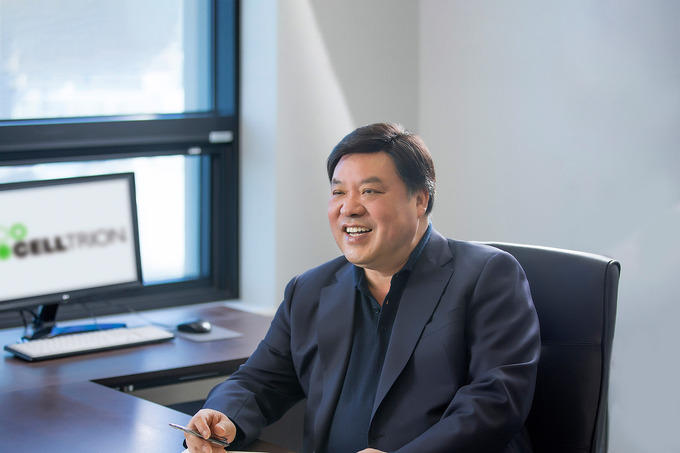
South Korean pharmaceutical tycoon Seo Jung-jin rounded out the top five. The chairman of Celltrion’s fortune fell by $545 million to $9.5 billion.
 |
|
Seo Jung-jin, chairman of Celltrion. Photo courtesy of EY World Entrepreneur Of The Year |
Seo co-founded South Korean drugmaker Celltrion in 2002 after his former employer, Daewoo Motor, went bankrupt. He took Celltrion public in 2008 and built his fortune on biosimilars, medicines developed to closely match existing biologic drugs.
Celltrion’s portfolio includes treatments for rheumatoid arthritis and cancer. In 2021, Seo became the first self-made billionaire to top Forbes’ ranking of South Korea’s richest people.