These foods can help you focus more on the game, and less on your gut.
Reviewed by Dietitian Katey Davidson, M.Sc.FN, RD, CPT
Key Points
- You can enjoy game day with UC by choosing foods you know you tolerate.
- Homemade guacamole and yogurt dips, UC-friendly vegetables and fruit and lean proteins are great options.
- A little planning can help you enjoy the game while keeping digestive symptoms in check.
When you have ulcerative colitis (UC), the idea of attending food-centric game-day events may make your stomach turn—in more ways than one. This can make attending these events feel more overwhelming than enjoyable.
Whether you’re a sports enthusiast or a bandwagon fan, the good news is you don’t have to miss out on these festivities. Rather, identifying foods you can tolerate well can be a game changer (pun intended). To help, we spoke with leading gut-health experts about five foods that may be worth bringing to tailgating events and game days if you have ulcerative colitis.
1. Fresh or Cooked Veggies
Whether fresh or cooked, vegetables can be a nutritious addition to your next game day event. That’s because vegetables provide fiber, vitamins, minerals and a variety of plant compounds that support gut health and may reduce inflammation. “Research shows that people with inflammatory bowel disease (including ulcerative colitis) who eat more fruits and vegetables have fewer disease flare-ups than those who avoid these foods,” says Sarah Glinski, RD.
“Eating a variety of plant fibers over time is one of the best ways to support a more diverse gut microbiome—usually a challenge for individuals with ulcerative colitis,” adds Yi Min Teo, MS, RD, CNSC.
However, one size never fits all—especially when it comes to vegetables and UC—so it’s important to learn how your body reacts to different types and amounts. Cooked vegetables are often better tolerated than raw vegetables, particularly during a flare, because cooking softens the plant structure and can make them easier to digest. Raw vegetables can also fit, especially when you’re in remission, says Ashley Oswald, RDN, LD, IFNCP, CLT. Some good options include peeled cucumbers, baby carrots and bell peppers, depending on individual tolerance.
During a flare, you may need to avoid raw vegetables. “Some individuals may not do well with some or many raw vegetable textures, especially outside of remission,” says Teo. In these cases, grilled veggie skewers made with soft-cooked bell peppers, zucchini, summer squash, mushrooms or other cooked vegetables may be gentler on your gut and easier to tolerate.
2. Homemade Yogurt Ranch Dip
Aside from being flavorful and crowd-pleasing, homemade yogurt ranch dip allows you to customize the ingredients to your individual needs. Yogurt also provides probiotics, which may support a healthy gut lining, says Rucha Shah, MD.
Oswald and Glinski note that homemade dips contain simpler ingredients and can be more easily customized compared to their commercially made, store-bought counterparts. Unflavored yogurt—especially strained varieties like Greek-style yogurt—is also generally higher in protein and may be lower in saturated fat and added sugar than many prepared ranch dips. Glinski says reducing saturated fat, added sugar and certain food additives may help people with inflammatory bowel disease (IBD) to sustain longer bouts of remission.
While yogurt may be well tolerated by many people with UC, it can be problematic if you also have lactose intolerance. “If you’re lactose-intolerant, a lactose-free yogurt works just as well here,” Teo advises. If you avoid dairy, Oswald recommends using a dairy-free yogurt made with cashew, almond or coconut and live active cultures, which can still provide a creamy texture while being gentler on your gut.
3. Homemade Guacamole
Homemade guacamole allows you to customize it to suit your unique needs, such as removing or swapping any spices, peppers or other ingredients your gut doesn’t handle well. Plus, you’ll reap its many nutritional benefits. “Avocados are a good source of micronutrients and polyphenols, both of which have anti-inflammatory relevance,” says Teo.
Oswald adds that avocados are also a source of soluble fiber, which may be better tolerated than insoluble fiber for some people with UC. “This fiber helps nourish beneficial gut bacteria as a prebiotic,” she adds.
Glinski points out that avocados are also a good source of monounsaturated fats, making guacamole a nice low-volume food source of calories and nutrition if you’re struggling with reduced appetite.
However, even with UC-friendly foods like guacamole, more isn’t always better. “Because avocado is high in fat and fiber, it may worsen some people’s symptoms during a flare, so keep that in mind if you’re currently experiencing digestive symptoms,” Glinski advises.
Consider starting with 1 to 2 tablespoons, and pair it with some peeled fresh vegetables (as tolerated), tortilla chips or crackers without seeds.
4. Watermelon
Watermelon is a hydrating and antioxidant-rich fruit that can be a refreshing game-day option. “Vitamin C, vitamin A and lycopene, an antioxidant that helps combat oxidative stress associated with chronic inflammation, are all found in watermelon, making it a highly anti-inflammatory fruit,” Oswald explains.
“Watermelon has a high water content, making it a hydrating option that can be useful for rehydrating after a bout of diarrhea,” adds Glinski. She also highlights that watermelon is lower in fiber compared to many other fruits and may be better tolerated during a flare.
However, Shah points out that watermelon is a source of FODMAPs, and recommends keeping portions small to moderate or avoiding watermelon if it’s a known trigger food.
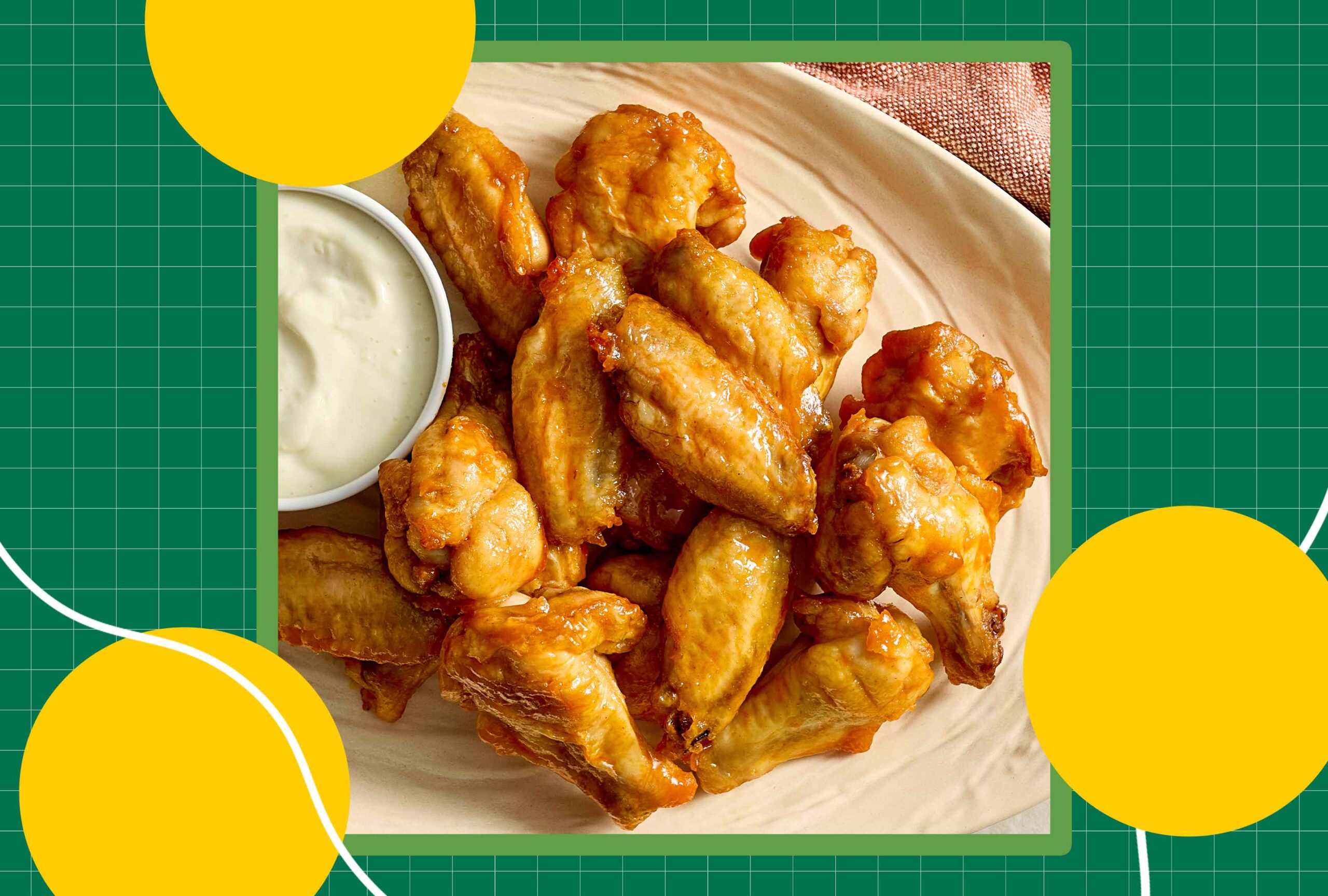
5. Oven-Baked or Air-Fried Chicken Wings
Chicken wings are the ultimate game-day food, but due to their high fat content and spicy sauces, they may not be tolerated well by people with UC.
Fortunately, you can have your wings and eat them too (get it?), as long as you go with an oven-baked or air-fried option. “Wings prepared by baking or air-frying rather than deep-frying give you a good source of lean protein without the extra fat load that can be harder on digestion for some people with UC,” says Teo.
If you’re sensitive to spicy or greasy foods, experts advise preparing the wings with mild herbs or opting for salt-and-pepper or a mild barbecue flavor rather than greasy or spicy sauces.
Other Tips
To make the game day more enjoyable, consider these expert-backed tips:
- Plan Ahead. Planning ahead can go a long way. This may mean researching the menu in advance, bringing your own dish or even eating before you go. “There’s nothing wrong with bringing your own food to a game-day celebration, especially if it means you can socialize without having to worry if there will be any foods you can eat,” Glinski advises. “If attending a party or BBQ, consider eating a small, balanced meal beforehand to avoid arriving overly hungry and feel pressured to eat foods that may trigger symptoms,” Oswald adds.
- Stay Hydrated. Teo recommends staying ahead of your hydration throughout the day rather than trying to catch up after the fact.
- Limit or Avoid Alcohol. Shah warns that alcohol can contribute to dehydration and diarrhea in some people. Alcohol is also pro-inflammatory to the gut, and may potentially trigger or exacerbate a UC flare for some people.
- Avoid Known Trigger Foods. Shah, Oswald and Glinski emphasize the importance of avoiding trigger foods, which means building your plate around foods you know your body can handle. “Loading up on trigger foods can put a serious damper on your day if you end up experiencing symptoms,” Glinski warns.
- Bring an Emergency Kit. Oswald recommends keeping a “just-in-case kit” on hand to help reduce stress and anxiety: “This kit can include sanitary products, extra clothing, personal wipes and any medications or supplements that could be helpful if a flare occurs.”
Our Expert Take
Navigating game day or tailgating with ulcerative colitis doesn’t have to mean sitting on the sidelines. Vegetables, homemade yogurt-based dips, guacamole, watermelon and oven-baked or air-fried chicken wings can all be options, depending on your individual tolerance.
Since food triggers vary, focus on the foods and portions you know you tolerate well. If you’re unsure what works best for you, a gastroenterologist or registered dietitian experienced in IBD can help you create a personalized plan.
With a little planning, you can enjoy the food, the fun and every play without letting UC steal the show.