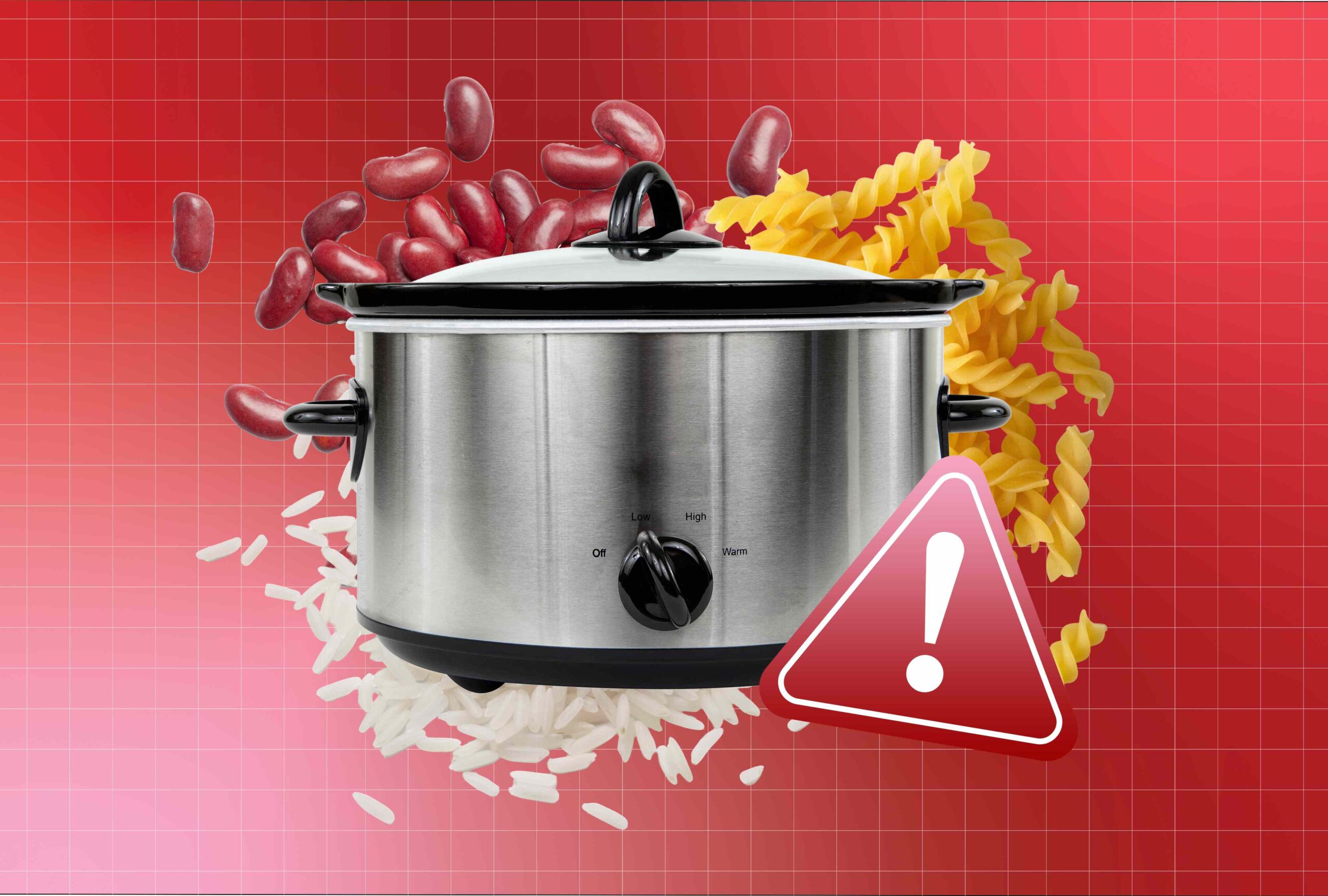
Some foods can pose a food-safety risk, while others may turn mushy or overcooked.
Reviewed by Dietitian Jane Leverich, M.S., RDN
Key Points
- Avoid frozen meat in slow cookers; it may not reach a safe temperature, risking foodborne illness.
- Add delicate ingredients like fresh herbs, seafood, and dairy at the end to preserve flavor and texture.
- Use fattier meats and root vegetables for tender, flavorful slow cooker meals with minimal effort.
Slow cookers, also called Crock-Pots, are a convenient cooking tool that allow you to “set it and forget it.” This comes in handy when you want to prep something ahead of time but don’t want to be in the kitchen all day. Add your ingredients in the morning, and dinner can be ready when you walk in the door. But not all foods are suited to the slow cooker’s low-and-slow cooking method.
“Slow cookers work at a lower temperature for a longer period of time,” says Carrie Gabriel, M.S., RDN. “This is ideal for a lot of chilis and stews, where the direct heat, steam and pressure from cooking at low heat and longer time frames helps leaner cuts of meat retain moisture and flavor.” However, some foods are unsafe to cook in a slow cooker, while others can lose their texture or flavor after hours of heat. No one wants to come home hungry to an inedible dinner.
To avoid this scenario and help you get the best results from your next slow cooker meal, here are five foods dietitians say you should never cook in a slow cooker.
1. Frozen Meat
Frozen meat is a no-go in the slow cooker, according to the U.S. Department of Agriculture Food Safety and Inspection Service. Like the name implies, slow cookers heat food gradually at a low temperature, which means frozen meat can take too long to reach a safe internal temperature. During that time, harmful bacteria may multiply and increase the risk of foodborne illness.
“Frozen meat can take too long to reach a safe internal temperature, allowing harmful bacteria to multiply,” says Sheila Patterson, RD, CDCES. “Bacteria can grow to unsafe levels, increasing the risk of foodborne illness even if the meat is eventually cooked through,” she says.
Frozen foods could also cool the other foods in the slow cooker. Instead, thaw meat in the refrigerator before adding it to the slow cooker. Depending on the size and type of meat, this may take a day or longer, so plan ahead. “Thaw your frozen meat products anywhere from 12-24 hours depending on how frozen they are before adding them to a slow cooker,” says Gabriel.
2. Fresh Herbs
Fresh herbs like basil, cilantro and parsley add flavor and color to a variety of dishes. But if your slow cooker recipe calls for them, it’s best to add them at the end right before serving, says Gabriel. Otherwise, they may wilt and lose some of their fresh flavor.
“Letting these types of herbs cook for hours on end strips them of not only their color, but also their flavor,” she says. Instead, lean on dried spices and herbs like cumin, chili powder, garlic powder, thyme and oregano. These still provide flavor without becoming limp.
3. Dried Kidney Beans
Dried kidney beans need special preparation before they go into a slow cooker. They contain a lectin called phytohaemagglutinin (PHA), which can cause nausea, vomiting and diarrhea when consumed in large amounts. Although proper cooking destroys this compound, a slow cooker may not reach a high enough temperature to do so. “Kidney beans are not ideal for slow cooker recipes due to a lectin called phytohaemagglutinin (PHA) found in raw and undercooked beans,” says Gabriel.
To prepare dried kidney beans safely, soak them in water for at least five hours, drain and rinse them, then boil them in fresh water for at least 30 minutes before adding them to your slow cooker recipe. “All of that can be rather time consuming, so with this particular bean, using the canned version for slow cooker meals is safer and less time consuming,” Gabriel says.
4. Most Seafood
“Most seafood cooks quickly and can become rubbery, dry, or overcooked when exposed to the slow cooker’s long cooking time,” says Patterson. That doesn’t mean you can never make seafood in a slow cooker. Fish curry, seafood chowder and shrimp dishes can all work with the right timing.
Instead of adding seafood at the beginning of the cooking cycle, stir it in toward the end. Delicate fish and shrimp often need just 10 to 30 minutes, depending on the recipe and the size of the pieces. Follow the recipe’s instructions and cook seafood until it reaches a safe internal temperature.
5. Pasta & Rice
Pasta and rice tend to absorb too much liquid as they sit in the slow cooker, says Patterson, which leads them to become mushy, soggy or overcooked after several hours. It’s not necessarily a food safety issue but rather about taste and texture. “They absorb liquid as they cook, which can throw off the recipe’s texture. It’s best to cook them separately and stir them in just before serving,” Patterson says.
Tips for Selecting Foods to Cook in a Slow Cooker
The right ingredients and a little planning can make a big difference in the taste and texture of your slow cooker meal. Keep these tips in mind the next time you make a slow cooker recipe.
- Choose tougher cuts of meat. Think chicken thighs, beef brisket and pork shoulder, says Gabriel. “These fattier cuts of meat thrive in slow cookers, because the low temperature and longer periods of time cooking breaks down tough connective tissue in these tougher cuts of protein, making them more tender and moist.”
- Try root vegetables. Root vegetables, such as carrots, parsnips, turnips and potatoes, cook best in the slow cooker. “These vegetables take longer to cook and the slow cooker method caramelizes the natural sugars in them,” says Gabriel. “More delicate vegetables, such as zucchini, asparagus, and spinach, are better added toward the end of cooking to prevent them from becoming mushy,” says Patterson.
- Add dairy toward the end. Milk, cream, yogurt and cheese can add flavor and a creamy texture, but cooking them for a long time can lead to curdling. Stir them in towards the end of the cooking cycle before serving.
- Cut ingredients into uniform pieces. Chopping meats and vegetables into similarly sized pieces helps them cook more evenly and ensures they reach the appropriate doneness around the same time, shares Patterson.
- Adjust liquids as needed. You may not need as much liquid as you think with slow cooker meals, says Patterson. “Slow cookers trap moisture, so foods release some of their liquid as they cook. You generally need less added liquid than you would with stovetop or oven cooking,” she says.
Ways to Enjoy Foods Cooked in a Slow Cooker
There are so many ways to enjoy foods cooked in a slow cooker. Here are some ideas that are convenient and flavorful.
- Make chili or soup. Chili and soups are simple to make in a slow cooker. Lean on canned versions of beans, corn and diced tomatoes to reduce prep time. If you’re adding ground meat, like beef or turkey, you may want to brown it on the stove before adding it to the slow cooker. From white chicken chili to lasagna soup to corn chowder, there are so many variations of slow cooker soup recipes to try.
- Prep protein for the week. “Slow cookers can be a great way to cook something you can use in a variety of ways throughout the week,” says Patterson. Shredded meat makes it easy to have a ready-to-use protein on hand. Cook chicken, pork or beef in your favorite sauce or seasoning, then shred it with a fork and stir it back into the cooking liquid. Use it in tacos, pulled pork sandwiches or grain bowls throughout the week.
- Add finishing touches. “Brighten up slow-cooked soups, stews and meats with fresh herbs, sliced green onions, avocado, citrus juice or a squeeze of lime just before serving. These finishing touches add freshness, flavor, and texture,” says Patterson. Not to mention, they look pretty too.
- Make a dessert. Think beyond the main meal and get creative with a slow cooker dessert. Crisps, cobblers and cakes can all be made in a slow cooker. You can even prepare a cozy drink like spiced cider to enjoy alongside it.
Our Expert Take
Slow cookers are a convenient way to prepare everything from soups and stews to shredded meats and desserts, but some ingredients need a little extra attention. Always thaw meat before adding it to the slow cooker, and never cook dried kidney beans in the appliance without soaking and boiling them first. Seafood, pasta and rice can work in slow cooker recipes, but they’re often best added toward the end or cooked separately to prevent overcooking. The same goes for fresh herbs and dairy products, which tend to hold up better when added near the end. There are so many tasty recipes to choose from, so if chili or soup has been your go-to, challenge yourself to get creative and try a new slow-cooker dish this season.