

Nutritionist Toan Thi Ngoc Anh from the Vietnam Institute of Applied Medicine says people commonly mix whatever fruits they have at home and mix them into a single fruit salad, but not all fruits should be eaten together. Different fruits are digested at different rates, so certain pairings may upset the digestive system over time.
She groups fruits by their characteristics: acidic fruits (oranges and lemons), sweet fruits (bananas and grapes), neutral fruits (papayas and apples), and water-rich fruits (watermelon and cantaloupe).
Each group digests at a different rate and works best under specific stomach pH conditions. Combining incompatible groups can slow digestion, cause food to ferment in the stomach, and lead to bloating, abdominal discomfort, heartburn, or indigestion.
Although fruits are rich in vitamins, minerals and antioxidants, improper combinations may also reduce their nutritional benefits, she says, warning against five pairings, especially in summer.
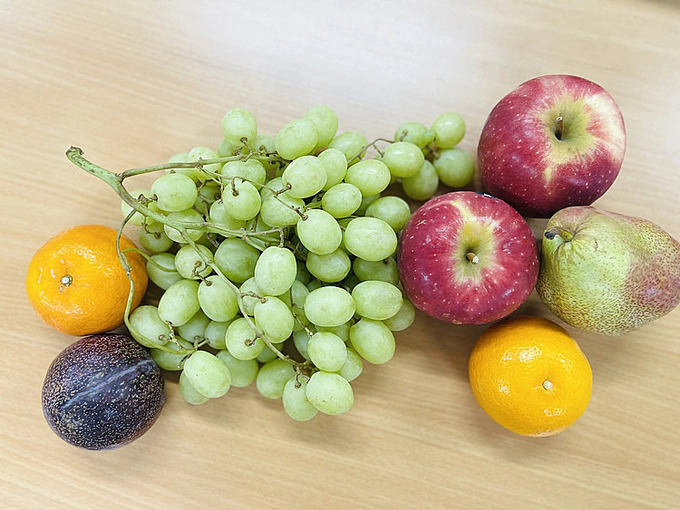
Fruits on display. Photo by Van Ly |
Melons with other fruits
Watermelon, cantaloupe, and other melons are mostly water and pass through the gut quickly. Pairing them with slower-digesting fruits throws off that timing, meaning the melon might sit and ferment while waiting for the rest, causing bloating and discomfort. Melons also carry their own set of digestive enzymes, which can clash with other fruits and add to the upset.
Anh recommends eating melons on their own, at least 30 minutes before or after other fruits or meals.
Starchy fruits with protein-rich fruits
Some fruits, such as bananas, are relatively high in starch. Others like guava, avocado, kiwi, and raspberries contain more plant protein.
According to Anh, eating them together requires the body to produce different digestive enzymes simultaneously, which may slow digestion. The result can be a heavy, slow-digesting mix that leaves you bloated for longer than usual.
Acidic and sweet fruits together
Acidic fruits include strawberries, oranges, grapefruit, and apples. Bananas and grapes are naturally sweeter and are thought to ferment more readily during digestion. Mixing these fruits can cause a sudden change in stomach pH, which can trigger nausea, mild acidosis, headaches, and fatigue. In people with sensitive digestion, it can also aggravate existing chronic conditions.
Papaya and lemon
Papaya and lemon are both nutritious eaten separately, but Anh warns that combining them may disrupt haemoglobin balance and even contribute to anaemia.
In young children, whose digestive systems are still developing, this combination may trigger metabolic disturbances or allergic reactions. It may not always cause immediate harm, but experts recommend keeping papaya and lemon out of the same fruit salad or juice.
Fruit and vegetables
Mixing fruit with vegetables in salads is another pairing that requires reconsidering. Fruits are high in natural sugars, while vegetables are rich in insoluble fibre and take longer to break down. Eating them together can slow the whole process and reduce how much nutrition the body actually absorbs.
For example, pairing oranges with carrots or pineapple with cucumber can raise stomach acidity and cause mild indigestion.
Portion size matters too. Even eaten alone, large amounts of fruit in a short period can upset digestion because of their high sugar and fibre content.
Anh recommends eating fruit one to two hours before or after a main meal and choosing fresh fruit over processed or long-stored varieties.
It also helps to pay attention to how your body responds, she says. If bloating, stomach pain, or mild diarrhoea follows a mixed-fruit meal, keep track of which fruits you ate and skip that combination next time.
Fruit remains an essential part of a healthy diet, especially in summer when the body needs more hydration and vitamins. Choosing combinations carefully helps preserve their nutritional value and keeps digestion running smoothly.
Comments are closed.