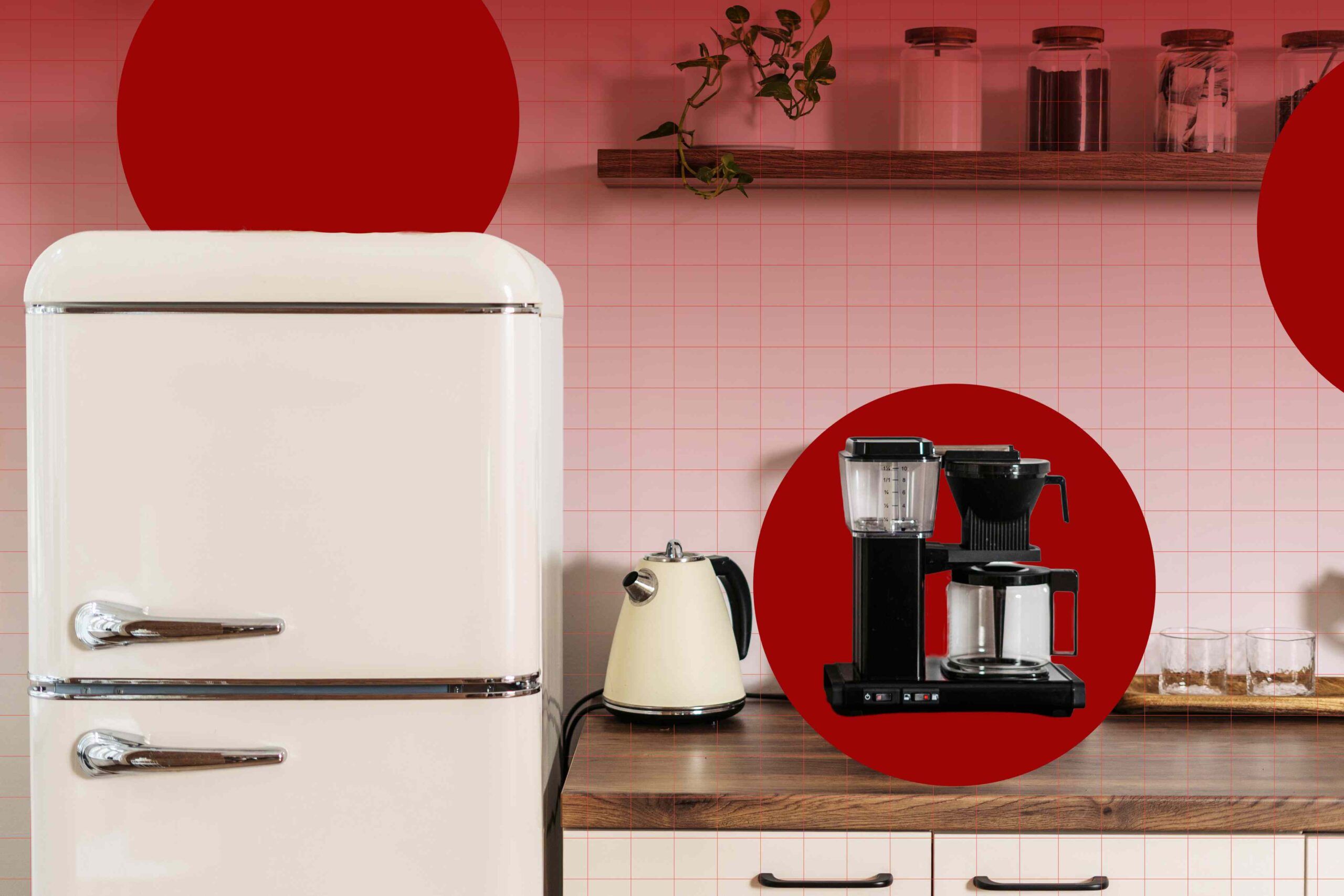
Stay safe and lower your electric bill by disconnecting these countertop devices when you’ll be away from home.
Reviewed by Dietitian Jessica Ball, M.S., RD
Key Points
- Unplug heat-producing appliances like coffee makers and toasters to save energy and reduce fire risk.
- Leave refrigerators, freezers and routers plugged in for food safety and smart appliance monitoring.
- Follow the manufacturer’s instructions for appliances with clocks or memory before unplugging them.
You’ve planned your vacation and packed your bags, but there’s one more task to take care of before you lock up and leave for your trip.
Taking a moment to unplug select small appliances in your kitchen before an extended period away is worth doing for both energy efficiency and safety reasons. In fact, the U.S. Department of Energy recommends unplugging many common small electrical appliances when not in use, whether you’re home or not, to use less energy and lower utility costs. And the U.S. Fire Administration recommends leaving small appliances unplugged to reduce the risk of electrical fires.
Here’s what an expert has to say about unplugging kitchen appliances before you leave home—including what to check before you reach for that cord and which appliances should stay plugged in.
Coffee Makers and Espresso Machines
“The appliances I would unplug first are heat-producing ones that are portable,” says Jerry Poonprincipal engineer at Red Dog Engineering. These include things like coffee makers and espresso machines, which draw power even when they’re not being used. “You want to unplug them to eliminate unnecessary standby power wasted. This is important for things with a heating element.”
Toasters and Toaster Ovens
Toasters, toaster ovens and other countertop cookers like hot plates, induction burners and griddles should be unplugged when you’re not using them, and especially when you’re preparing to be away from home. “There is no trip duration cutoff that matters,” Poon says. “If an appliance isn’t needed, you can just unplug it; whether you’re gone for a weekend, a few weeks or longer.”
Electric Kettles
Another small kitchen appliance with a heating element, your electric kettle is another one that’s good to unplug when not in use. If you keep your electric kettle and coffee maker or espresso machine together in one area of your kitchen, consider plugging them into a surge protector, which you can easily turn off with the touch of a button.
Air Fryers
As another appliance with a heating element, it’s best to keep air fryers unplugged unless you’re actively cooking chicken wings, crisping up leftover sweet potato fries, or trying one of our favorite crispy main or side dishes.
Countertop Microwaves
While they’re not heat-producing in the same way that a toaster or air fryer is, countertop microwaves should also be unplugged to reduce wasting the power they draw while plugged in but not operational. Note that you’ll likely have to reprogram the clock once you return home and plug it in again.
It’s worth checking the manuals to ensure you’re shutting it down properly, especially for models with more bells and whistles. “Pay attention to the manufacturer’s instructions. They always matter,” Poon says. “Some appliances have required shutdown procedures, clocks, memory, automatic functions or warnings about disconnecting power. Follow them over generic advice.”
Which Kitchen Appliances Should Stay Plugged In?
“Your refrigerator, freezer, leak detectors and anything that needs continuous power for food safety should stay plugged in” during trips away from home, Poon says. And while your modem and router may not be in your kitchen, it’s important to leave those plugged in, especially if they’re needed for smart appliances that can be monitored remotely.
It’s okay for your oven to stay plugged in, too. “Generally, I would not recommend pulling out and unplugging the oven or range specifically for a trip,” Poon says. “A range is permanently installed or at least semi-permanently connected, so it is intended to remain connected when it isn’t being used.” Trying to pull out and unplug the range—especially a gas model—can also run the risk of other hazards. “The more important thing is to make sure every burner plus the oven are all completely off before leaving,” Poon continues. “For a fully electric range, I would check the manufacturer’s instructions prior to unplugging it for a trip.”
Before you go, check that the stovetop and area above the oven are free of combustible items, like kitchen towels or pot holders, and ensure that no loose cords come into contact with the oven or stove—a good fire safety practice whether you’re home or not.
The Bottom Line
To decrease energy consumption and fire risk, countertop kitchen appliances like coffee makers, toasters and air fryers should be unplugged when not in use, including when you leave home for a trip. These heat-producing appliances draw phantom power when plugged in and not in use. Large appliances like refrigerators, freezers and ovens, as well as items like leak detectors and wireless routers, can remain plugged in while you’re away from home.