
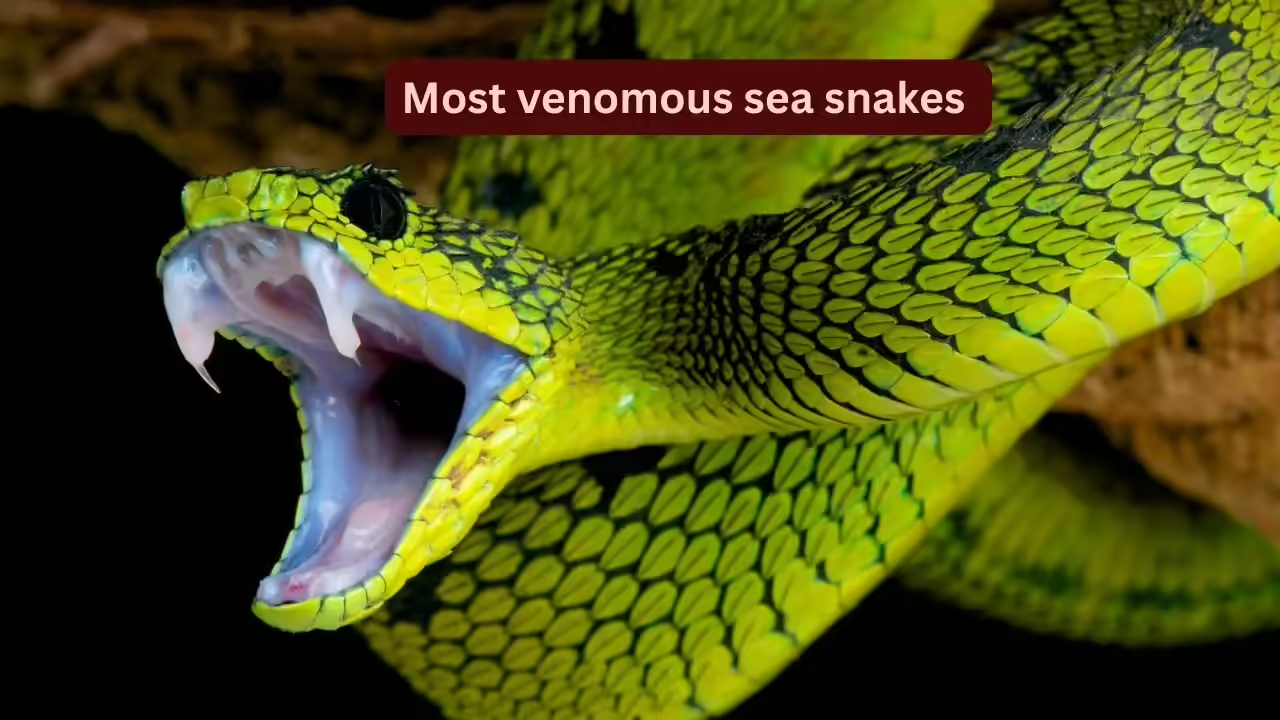

5 Most Venomous Sea Snakes Travellers Should Know About
Sea snakes are among the most venomous reptiles on Earth, living in warm tropical waters across the Indian and Pacific Oceans. While they are generally shy and rarely attack humans, travellers, divers, snorkelers, and fishermen should be aware of these fascinating but potentially dangerous marine creatures.
1. Dubois’ Sea Snake


Scientific Name: Aipysurus duboisii
Often considered one of the most venomous sea snakes in the world, the Dubois’ sea snake inhabits coastal waters around Australia, Papua New Guinea, and New Caledonia.
Why It’s Dangerous
- Extremely potent neurotoxic venom
- Can cause paralysis and respiratory failure
- Among the most toxic snake venoms ever recorded
Where Found
- Coral reefs
- Sandy seabeds
- Shallow tropical waters
2. Belcher’s Sea Snake


Scientific Name: Hydrophis belcheri
Belcher’s sea snake is often listed among the world’s most venomous snakes. Fortunately, it is extremely docile and bites are rare.
Key Facts
- Found in Southeast Asia and northern Australia
- Usually encountered by fishermen
- Highly potent venom despite its calm nature
Traveller Tip
Avoid handling any sea snake accidentally caught in fishing nets.
3. Yellow-Bellied Sea Snake


Scientific Name: Hydrophis platurus
This species has the largest distribution of any snake on Earth and is often seen floating near the ocean’s surface.
Identification
- Bright yellow underside
- Dark brown or black upper body
- Paddle-shaped tail
Where Found
- Indian Ocean
- Pacific Ocean
- Tropical and subtropical waters worldwide
4. Olive Sea Snake


Scientific Name: Aipysurus laevis
The Olive Sea Snake is commonly encountered by divers on Australia’s reefs.
Why Divers Know It
- Often curious around humans
- Can grow over 2 meters long
- Highly venomous despite generally peaceful behavior
Where Found
- Great Barrier Reef
- Coral Sea
- Coastal Australian waters
5. Beaked Sea Snake


Scientific Name: Hydrophis schistosus
This species is responsible for more human fatalities than most other sea snakes because it often becomes trapped in fishing nets.
Habitat
- Arabian Sea
- Bay of Bengal
- Southeast Asian waters
Danger Level
Its venom can cause:
- Muscle breakdown
- Kidney damage
- Respiratory paralysis
Safety Tips for Travellers
If you’re swimming, diving, or snorkeling in tropical waters:
- Never attempt to touch or catch a sea snake.
- Maintain a safe distance if you spot one.
- Wear protective footwear when wading in shallow coastal waters.
- Be cautious around fishing nets and traps.
- Seek immediate medical attention if bitten.
Are Sea Snakes Aggressive?
Generally, no. Most sea snakes are calm and avoid humans. Bites usually occur when:
- The snake is handled.
- It becomes trapped.
- It feels threatened.
For most travellers, observing sea snakes from a respectful distance is perfectly safe and can be an unforgettable wildlife experience.
Final Thought
Despite possessing some of the most powerful venoms in the animal kingdom, sea snakes are not monsters lurking in tropical waters. They play an important role in marine ecosystems and rarely pose a threat to people who leave them undisturbed. Knowing how to identify them and respecting their space is the best way to stay safe while exploring the ocean.
Comments are closed.