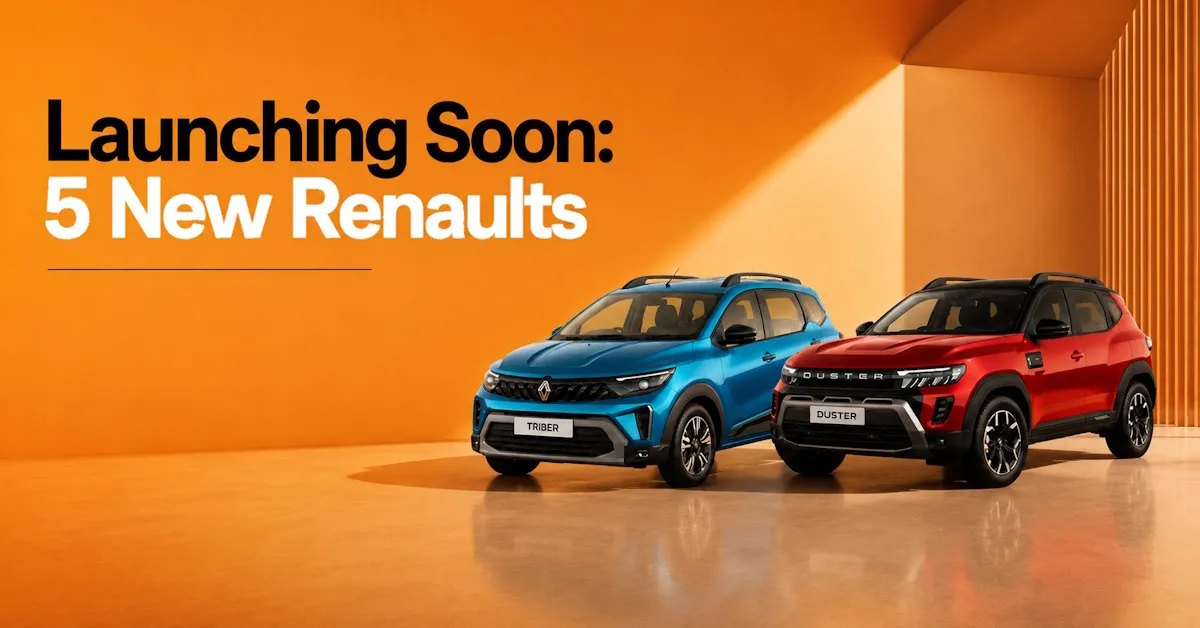
Renault India has been steadily expanding its portfolio in India to ensure that its market share increases. It has been reported that the company is getting ready to launch not one or two but a total of 5 new models in India. So, without any delay, here are the details of the 5 new Renault SUVs and MPVs coming to India.
The first car on this list is the Renault Triber, which is finally expected to get the more powerful turbo-petrol engine that buyers have been waiting for. The test mule has already been spotted with a Turbo badge, and the new version is expected to be launched around the festive season. The biggest change will be under the bonnet, while the overall design is expected to remain largely unchanged.
The Triber Turbo is expected to use the 1.0-litre, three-cylinder turbo-petrol engine from the Kiger. It produces around 100 PS and 160 Nm, which will be a significant increase over the current naturally aspirated engine that produces around 71 hp and 96 Nm. This additional torque will make the Triber more comfortable when carrying a full load of passengers, especially during highway overtaking and uphill driving. The turbo version is expected to initially get a 5-speed manual gearbox, while an automatic could be introduced later.
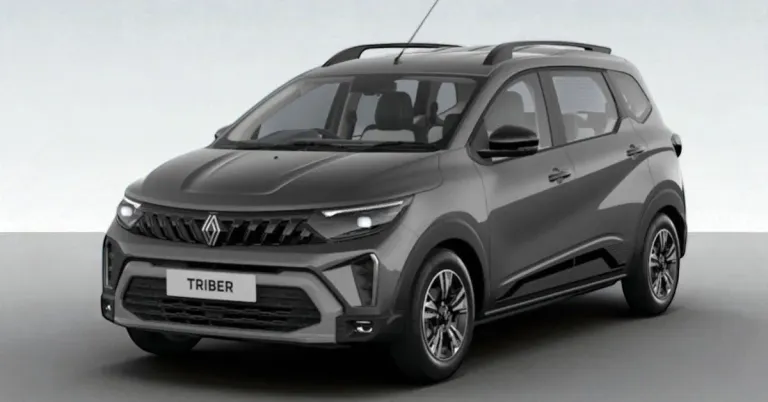
The more interesting version of the Triber will be the Turbo CNG. The test mule has been spotted with both Turbo and CNG badges, confirming that Renault is working on this combination. The Triber will move to the Renault Group Entry Platform or RGEP, which is a heavily re-engineered version of its existing architecture.
The biggest advantage of RGEP will be the new dual-cylinder CNG setup placed underneath the vehicle floor. The current dealer-fitted CNG kit takes up a large portion of the boot, which is a major compromise in a seven-seater like the Triber. The new factory-fitted setup should free up the boot and allow buyers to get lower running costs without compromising the practicality of the MPV. Renault is expected to launch the factory-fitted CNG version around September-October.
The Turbo CNG version is expected to use the same 1.0-litre turbo-petrol engine, although the exact power and torque figures in CNG mode have not been revealed yet. A 5-speed manual gearbox is expected initially.
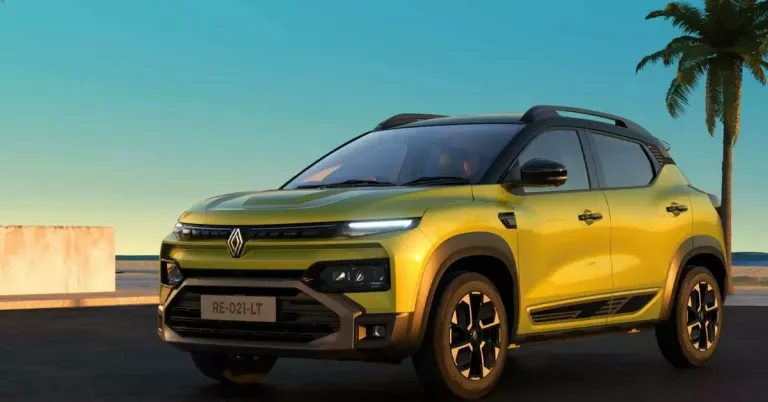
The Renault Kiger will also benefit from the new RGEP platform and is expected to get a factory-fitted CNG option. The Kiger already uses the 1.0-litre turbo-petrol engine, which makes around 100 PS and 160 Nm. So, the biggest change will be the addition of the CNG powertrain.
Like the Triber, the Kiger is expected to get dual CNG cylinders positioned underneath the floor. This should keep the boot space usable while giving buyers the option of lower running costs. The combination of a turbo-petrol engine and factory-fitted CNG will also make the Kiger different from most other compact SUVs in the segment.
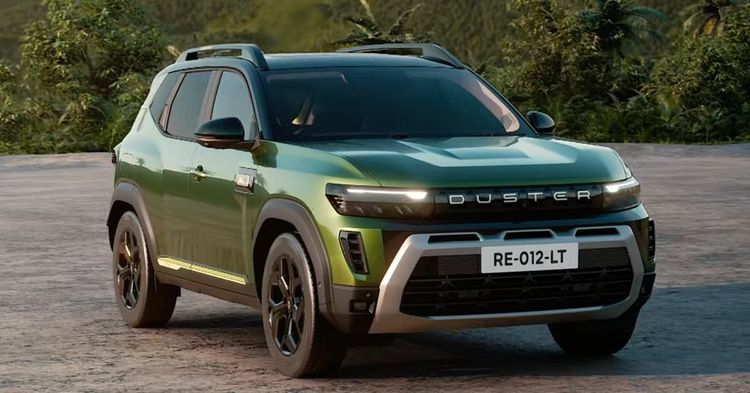
Renault will also expand the new Duster range with a strong-hybrid powertrain. The hybrid version is expected to arrive around the Diwali festive season this year. Interestingly, Renault has already received such a strong response to the hybrid that its planned 2026 production has been sold out. Its bookings are expected to reopen closer to the official launch date.
The Duster hybrid will use an E-Tech strong-hybrid system based around a 1.8-litre petrol engine and a 1.4 kWh battery pack. The system uses two electric motors and produces a combined 160 bhp. Renault says the hybrid will be available around Diwali 2026.
The hybrid version will look identical to the regular Duster, with Hybrid badges being the main difference. It is also expected to get features such as ventilated front seats, electrically adjustable front seats, a 10.1-inch touchscreen, wireless smartphone connectivity, adaptive cruise control, Level 2 ADAS, a 360-degree camera and a wireless charger.
The Duster hybrid will compete with the Maruti Suzuki Grand Vitara and Toyota Urban Cruiser Hyryder hybrid, while upcoming hybrid versions of the Hyundai Creta and Kia Seltos will also become rivals.
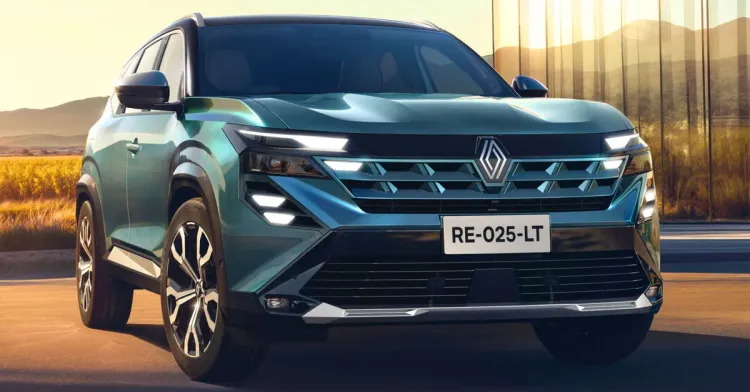
The fifth and biggest addition to Renault’s upcoming lineup will be the Boreal. It is a new three-row, seven-seat SUV based on an extended version of the Duster’s platform. The SUV is expected to arrive in India towards the end of 2026 and could be priced between around Rs 13 lakh and Rs 23 lakh (ex-showroom).
The Boreal is expected to measure around 4.56 metres in length, with a wheelbase of approximately 2.7 metres and ground clearance of around 213 mm. It is also expected to offer a large 586-litre boot in its standard configuration.
Under the bonnet, the SUV is expected to get a 1.3-litre turbo-petrol engine, which will make around 156-160 bhp and 270 Nm. A hybrid powertrain is also expected to be part of Renault’s future plans. Transmission options could include a 6-speed manual and a dual-clutch automatic gearbox.
On the inside, the Boreal is expected to get dual 10-inch digital screens, wireless Android Auto and Apple CarPlay, a panoramic sunroof, 48-colour ambient lighting, dual-zone climate control, powered front seats with massage function and a Harman Kardon sound system. Safety features are expected to include six airbags, Level 2 ADAS and a 360-degree camera.
The Boreal will take on three-row SUVs such as the Hyundai Alcazar, Tata Safari, Mahindra XUV700 and MG Hector Plus.