Yes, these processed foods are worth adding to your weekly grocery haul.
Reviewed by Dietitian Mandy Enright, M.S., RDN, RYT
Key Points
- While ultra-processed foods should be limited, some processed foods can help lower colon cancer risk.
- Foods like yogurt, frozen produce and tofu are processed and can help reduce colon cancer risk.
- Check labels for high fiber and minimal added sugars when selecting processed foods.
Processed foods are often shunned in the wellness world. But, even with the healthiest of intentions, you likely ate a few processed foods today. Almost everything we purchase, whether from the grocery store or local farmers’ market, has gone through some form of processing—whether that’s washing, freezing, packaging, sealing, canning or jarring.
What’s important to know is that processed foods are different from ultra-processed foods (UPFs). Ultra-processed foods typically contain ingredients that extend a product’s shelf life and often include additives, sweeteners, colors, flavors and/or preservatives not originally found in the food. Many of these products are achieved through industrial processing.
While research has linked ultra-processed foods to countless health concerns, including an increased risk of colon cancer, some processed foods can actually help lower that risk. Ahead, dietitians share five processed foods to eat every week to help lower colon cancer risk.
1. Yogurt
“Yogurt is a processed food I recommend regularly as part of a colorectal cancer–preventive eating pattern,” says Nichole Andrews, RDNa dietitian specializing in oncology. She explains there’s strong evidence linking dairy foods and calcium to a decreased risk of colorectal cancer. In fact, research shows the higher the calcium consumption, the lower the risk of colon cancer.
There’s also evidence the beneficial bacteria found in the yogurt play a protective role too. “Fermented dairy foods, particularly yogurt, have been associated with a lower risk of colorectal cancer, and newer research suggests that long-term yogurt consumption may be particularly relevant to tumors containing Bifidobacterium,” chimes in Melissa Ann Mroz Planells, D.C.N., M.S., RDN. Studies have found that probiotics may help balance gut bacteria, lower inflammation and produce compounds that ward off cancer development, with some evidence pointing to Bifidobacterium specifically playing a role in slowing tumor growth.
When it comes to yogurt, choose plain or unsweetened yogurt to get the benefits of yogurt without a large amount of added sugar, experts say. Try adding your own flavors and natural sweetness to it, like blending in frozen fruit, layering yogurt with fruit in a parfait or whipping it up into a dip.
2. Frozen Fruits & Vegetables
One food group most people simply aren’t consuming enough of is our most bright and colorful one: fruits and vegetables. Fruits and veggies come in a variety of forms from fresh, frozen and canned, to jarred, dried and juiced—which are all forms of processing.
“Frozen fruits and vegetables are frozen at peak [freshness] which preserves the nutrients in them,” says Stacy Davis RD, LDNa dietitian specializing in cancer. Plus, frozen produce offers a shortcut in the kitchen as well, as they are typically washed, sliced, diced or even peeled, making them quick and easy to cook and eat right away, or incorporate into meals.
Research has linked higher intake of fruits and vegetables to lowered colon cancer risk, and some of that connection may be due to fiber. Since a diet low in fiber is linked to increased colon cancer risk, it helps that fruits and veggies are one of the most fiber-rich foods you can pick. “Fruits and veggies are full of fiber, which can help bulk stool and move it through the colon quickly. Some fibers also feed the good bacteria. The more diverse the microbiome, the better the colon health,” Davis adds.
But the type of frozen produce you pick matters. Look for options without added salt, sugar or sauces. Ideally, the fruit or vegetable should be the only ingredient listed. From there, you can cook them in the microwave and serve them as a side dish, sauté them, add to dishes like pasta salads or toss into soups for extra fiber.
3. Whole-Grain Bread
Bread gets a lot of bad press, but dietitians don’t want you to kick all loafs to the curb.
“Whole grains provide fiber, and a higher whole-grain and fiber intake is associated with a lower risk of colorectal cancer,” says Andrews.
The fiber in whole grains supports regular bowel function and is fermented by gut microbes to produce short-chain fatty acids, including butyrate, that support a healthy colon environment, adds Planells.
So when in doubt, choose whole-grain bread over white bread. The easiest way to ensure you’re picking a whole-grain bread is to look at the ingredients and ensure it says either “100% whole-grain” or “100% whole wheat flour” on the ingredient list.
The recipe possibilities with whole-grain bread are endless, from toasting up a slice and topping it with cottage cheese, avocado or almond butter, to building veggie-loaded sandwiches, a crispy panini or even tossing it into salads, like a panzanella.
4. Canned Beans
Beans may make you toot, but those toots are actually a good thing for your colon health. Due to their high fiber content, beans can help prevent constipation by speeding up how quickly food moves through the colon, reducing how long the colon is exposed to potentially harmful toxins. The fiber also feeds the gut microbiota, which keeps the colon lining healthy while also reducing inflammation.
Research has found eating more legumes is associated with lower odds of colon cancer. One small study, for example, found that people who ate the most beans each week saw positive changes to their gut microbiome, including increased diversity and more beneficial bacteria strains, along with a decrease in pathogenic bacteria. Another study found that eating one serving of legumes a day was associated with 21% lower colon cancer risk.
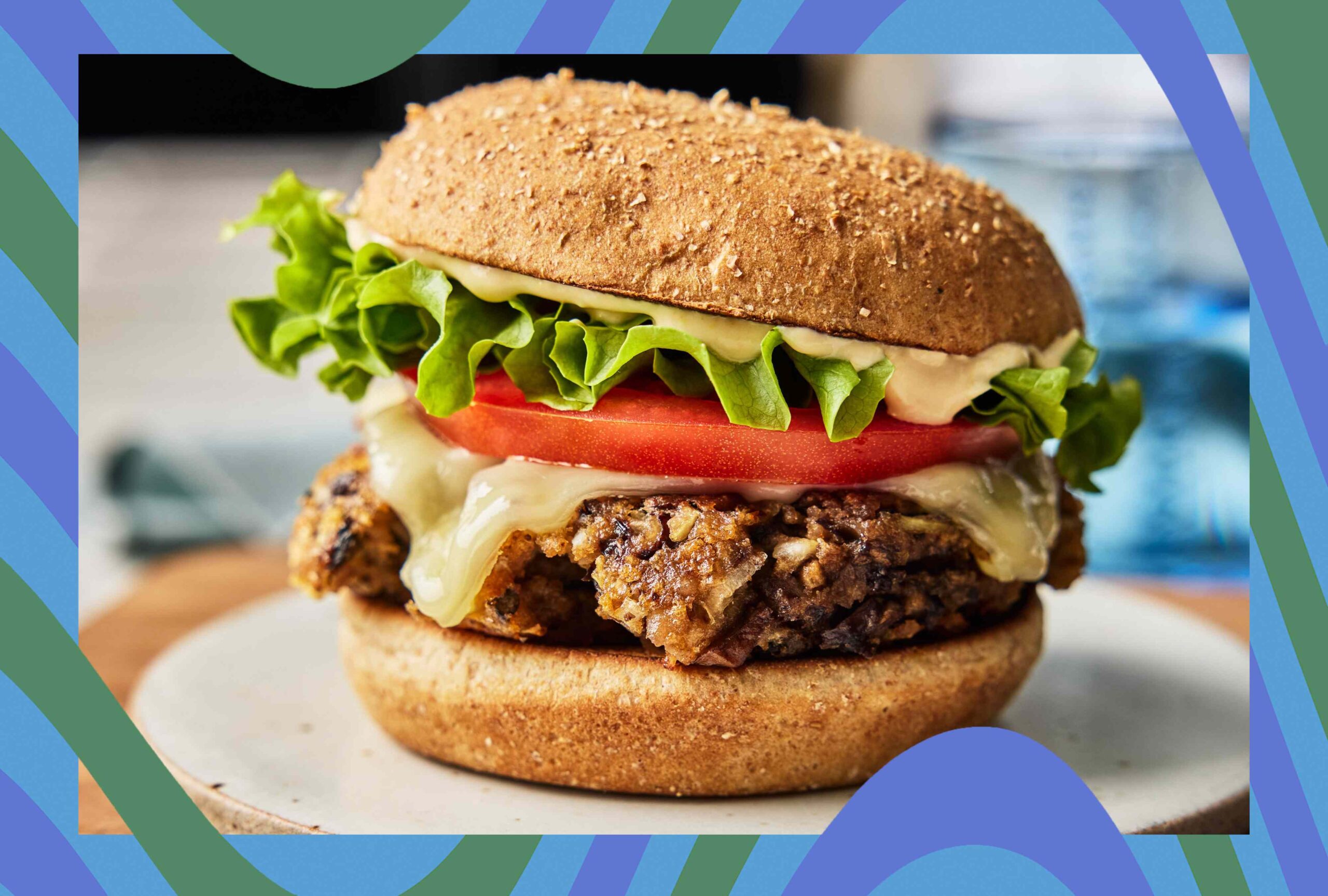
So, bottom line: Add more beans to your plate. And canned beans are perfectly fine to use. “There’s no need to soak or cook them from scratch. Drain and rinse them, and they can go straight into salads, soups, grain bowls, tacos or pasta dishes,” says Andrews. Try topping your next grain bowl with beans, stirring into soups or making your own bean-based veggie burgers. You can even try swapping chickpeas in place of tuna to make a plant-based no-tuna salad.
5. Tofu
Tofu is one of the most versatile foods because you can mask its appearance in a chocolate mousse, use it to add creaminess and thickness to a soup or sauce, or even throw it on the grill. While tofu is a processed food, there’s evidence that the nutrients found in soy foods can help colon health, and that swapping animal proteins for plant proteins like soy may be beneficial for reducing colon cancer risk.
“Soy foods may offer several nutrients that could help support colorectal health, including fiber, calcium and folate,” says Planells. “These nutrients may help protect against colorectal cancer in several ways: Fiber can increase stool bulk and dilute potential carcinogens in the colon, while calcium may bind certain compounds that could damage the colon lining. Folate is also important for normal DNA synthesis and methylation, which may help maintain healthy cells.”
Ran out of eggs? Use tofu to make a plant-forward scramble, or use tofu as your main protein source in vegetarian lettuce wraps, blend silken tofu into smoothies or skip takeout and create your own spicy hotpot at home.
Selecting Processed Foods to Lower Colon Cancer Risk
Dietitians share their tips on how to select processed foods that are still good for you and can help lower colon cancer risk.
- Read the label. “Don’t just look at the front of packages for the claims,” says Davis. Look at the back of the package at the ingredient list and Nutrition Facts panel to ensure your food is low in added fat, sugar and salt and high in fiber.
- Lean on healthy convenience foods. “You do not need to make everything from scratch or buy everything fresh to eat well,” says Andrews. Canned tomatoes, fish, whole-grain pasta, frozen whole-grains and salad kits are all convenient but still nutritious, and can help support a healthy colon.
- Stock up on fiber-rich foods. Aim for 30 grams of fiber per day and choose high-fiber foods such as fruits, veggies, whole grains, beans, lentils, nuts and seeds, as these foods can help you build the fiber-rich dietary pattern we want for colorectal cancer prevention, says Andrews.
- Choose plain or unsweetened options. Whether picking out yogurt, cereal or other ready-to-eat foods, snacks or drinks, choose unsweetened varieties to limit consuming added sugar, while still getting the nutritional benefits of the food, says Planells.
Our Expert Take
Dietitians confirm that processed foods can in fact be part of a diet that helps protect against colon cancer. They recommend yogurt, frozen fruits and veggies, whole-grain bread, canned beans and tofu as the top processed foods to eat every week to lower colon cancer risk. Each one provides nutrients that can lower colorectal risk and is chock full of nutrients to support colon and overall health. Dietitians also share tips on how to select processed foods to lower colon cancer risk including reading the label, leaning on healthy convenience foods, stocking up on fiber-rich foods and choosing plain or unsweetened food or drink items to keep added sugar low.