

Dr. Pham Quang Khai of the Department of Urology and Andrology at Hanoi’s E Hospital says the kidneys play several vital roles, including filtering toxins and excess fluid from the blood and maintaining electrolyte balance. In addition to well-known risk factors such as physical inactivity, excessive alcohol consumption, smoking, and diets high in salt and sugar; some seemingly healthy habits may also pose hidden risks.
Chronic kidney disease often develops silently, without obvious symptoms in its early stages. By the time symptoms appear, the condition is frequently advanced, making treatment more difficult and less effective.
Vietnam currently has more than 10 million people living with chronic kidney disease. Each year, about 8,000 new cases are diagnosed, and roughly 800,000 patients require dialysis, translating to about 0.1% of the population. However, there are only around 5,500 dialysis machines serving about 33,000 patients in Vietnam. Kidney disease ranks eighth among the leading causes of death.
To help reduce risk, doctors highlight several “healthy” habits that may actually harm the kidneys:
1. Using dietary supplements
Many people take vitamins and supplements without medical advice, assuming they are harmless. In reality, excessive or improper use can be toxic and cannot replace prescribed treatment.
For instance, high doses of vitamin C can raise oxalate levels and increase the risk of kidney stones. Too much vitamin E may cause bleeding, intestinal inflammation, fatigue, and possibly increase cancer risk. Excess vitamin B6 can affect sensory nerves, while too much vitamin D can lead to elevated blood calcium levels, potentially damaging the kidneys and lungs.
High-risk groups, including older adults, people who are overweight or obese, and those with diabetes, hypertension, cardiovascular disease, or autoimmune disorders, as well as patients undergoing chemotherapy or radiation, should follow medical guidance and avoid self-prescribing supplements.
“Improper supplementation is essentially slow self-poisoning of the kidneys,” Khai says.
Overuse of common pain relievers such as ibuprofen and diclofenac can also harm the kidneys and lead to kidney failure, a widespread but often overlooked cause.
2. Detoxing for weight loss
Many people use detox teas or drinks daily to “cleanse” the body and lose weight. However, excessive consumption of juices (such as celery, orange, or grapefruit) that are high in oxalates or potassium may increase the risk of kidney stones or electrolyte imbalances over time. Some products also contain unregulated herbal ingredients that can be harmful to the kidneys.
Relying on juice-only detox regimens while eliminating other foods can also lead to deficiencies in essential nutrients.
3. Drinking too much water
Staying hydrated is important, and most people are advised to drink about 1.5 to 2 liters of water per day. However, drinking excessive amounts, especially over a short period, along with consuming very cold water or large quantities of high-sugar beverages can strain the circulatory system and kidneys, leading to frequent urination and electrolyte imbalances.
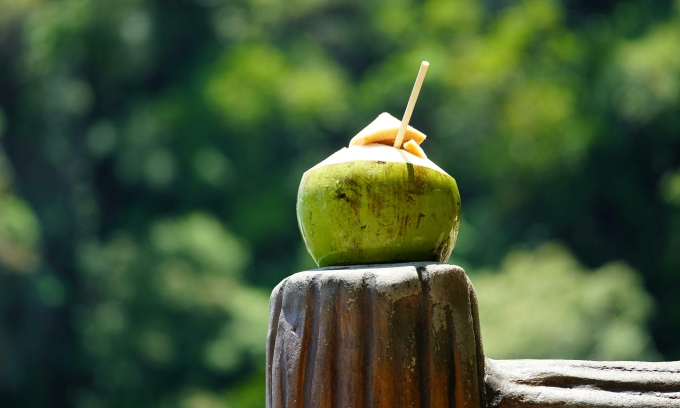
Many people also have the habit of replacing plain water with coconut water, which may also disrupt electrolyte balance and affect muscle function, particularly in people with sensitive digestion or underlying conditions such as diabetes, high cholesterol, or gout. Sugary, carbonated, or alcoholic drinks should also be limited.
A coconut. Illustration photo by Pexels |
4. Protein intake for muscle gain
Many gym-goers consume large amounts of protein from meat, eggs, or whey supplements to build muscle. However, excessive protein intake increases the kidneys’ filtration workload and may gradually impair kidney function, especially in those with underlying health conditions.
5. Exercising, without proper hydration
Intense exercise can lead to heavy sweating, dehydration, and reduced blood volume, increasing the risk of acute kidney injury, particularly in those who train heavily without adequate fluid replacement.
Other habits, such as replacing water with tea or coffee throughout the day, may contribute to mild dehydration. Some teas are high in oxalates, which increases the kidneys’ workload. Inadequate sleep and late nights can raise cortisol levels, reduce blood flow to the kidneys, and disrupt blood pressure regulation.
“The kidneys have limits, they’re not machines that can run 24/7,” Dr. Khai says.
Comments are closed.