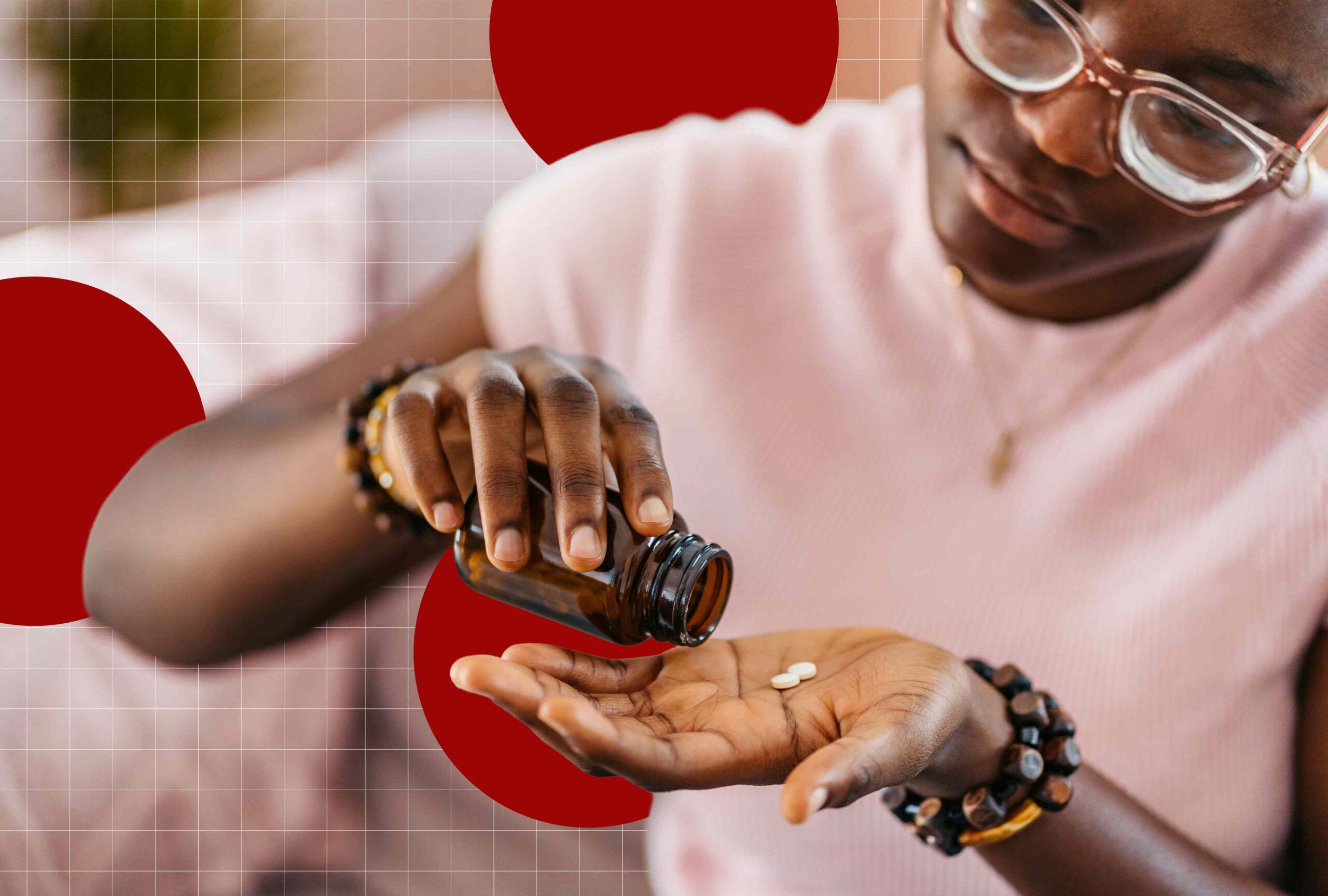
Some supplements can interfere with cancer treatment or worsen side effects.
Reviewed by Dietitian Jane Leverich, M.S., RDN
Key Points
- Some supplements can change how cancer medications work or increase side effects.
- Antioxidants, St. John’s wort and other supplements may pose risks during treatment.
- Talk with your oncology team before starting, stopping or changing any supplement.
If you’re undergoing chemotherapy, you may wonder whether supplements can help you feel better or manage treatment side effects. With so many products promising everything from more energy to immune support, it’s understandable to be curious. However, some supplements can interact with cancer medications or affect how well treatment works. Others may worsen side effects or offer little benefit.
Before starting any supplement—or continuing one you already take—talk with your oncology team. The safety of a supplement can depend on your treatment regimen, dose and individual health needs.
We spoke with oncologists about five supplements to avoid during chemotherapy, their potential risks and other ways to support your health throughout treatment.
1. St. John’s Wort
St. John’s wort is an herbal supplement traditionally used to treat a variety of conditions. However, St. John’s wort has many medication interactions, including with some cancer treatments.
St. John’s wort can accelerate the metabolism of some anticancer drugs, lowering blood levels and making treatment less effective, explains Richard Lee, M.D.,
2. Antioxidant Supplements
Antioxidant supplements include vitamins such as A, C and E, as well as beta-carotene and coenzyme Q10 (CoQ10). Although antioxidants play important roles in the body, taking them in supplement form during cancer treatment may pose risks.
Some chemotherapy drugs work, in part, by generating reactive oxygen species that damage cancer cells. Antioxidant supplements could theoretically interfere with these effects, Lee explains. “Antioxidants can theoretically blunt the chemotherapy’s cytotoxic or cancer-killing effect,” he adds. Research on antioxidant supplements during cancer treatment has also raised concerns about potential effects on treatment outcomes; however, more research is needed, as some evidence suggests the effect may depend on the chemotherapy drug, cancer type and the antioxidant supplement and its dosage.
Because the safety and effects of high-dose antioxidant supplements during chemotherapy aren’t fully understood, it’s best to avoid starting them unless your oncology team specifically recommends them.,
3. Ginkgo
Ginkgo biloba is an herbal supplement commonly marketed for memory and circulation. However, it can inhibit certain pathways that influence chemotherapy drug levels in the body.
Some compounds in ginkgo can affect enzymes involved in drug metabolism, potentially changing the levels of certain medications in the body. Laboratory studies indicate that ginkgo may reduce the metabolism of medications that rely on CYP3A4. This can result in higher drug levels and may increase the risk of drug toxicity, explains Lee.
4. Acetyl-L-Carnitine
Acetyl-L-carnitine is a form of the amino acid carnitine, which plays an important role in energy metabolism. Your body can make all of the carnitine you need, but you can still get some from food, mostly animal products.
Acetyl-L-carnitine has been studied for its potential to help manage peripheral neuropathy, a condition that can cause numbness, tingling or pain in the hands and feet. However, research has not consistently shown that it helps people with chemotherapy-induced neuropathy. In fact, Lee notes that acetyl-L-carnitine may worsen numbness, a frequent side effect of chemotherapy.,
Because of this concern, don’t take acetyl-L-carnitine to prevent or treat chemotherapy-related nerve damage without guidance from your oncology team. If you’re experiencing numbness, tingling or pain, tell your care team so they can help determine the best approach.
5. Iron
Iron is essential for making hemoglobin, the protein in red blood cells that carries oxygen throughout the body. However, taking iron supplements when you don’t need them can lead to excess iron, and supplementation isn’t appropriate for everyone undergoing cancer treatment.
Rohit Gosain, M.D., recommends avoiding iron supplementation unless a deficiency or another medical need has been identified. Iron plays complex roles in the body, and research into its relationship with cancer is ongoing.
At the same time, anemia can occur during cancer treatment, and iron deficiency may be one contributing factor. In some cases, iron supplementation or other treatments may be appropriate. Your health care provider can use blood tests and your medical history to determine whether you need iron and which treatment is right for you.
Other Tips for Supporting Your Health During Chemo
- Find ways to manage stress. Cancer treatment can be emotionally and physically demanding. Lee recommends maintaining a positive outlook, but it’s important to remember that difficult emotions are a normal response to a challenging experience. You don’t need to force yourself to feel positive. Connecting with loved ones, speaking with a mental health professional or asking your care team about support services may help you cope during treatment.
- Stay active when you can. Physical activity may help prevent chemotherapy complications, Lee notes. “The more you move, the better you will do,” he adds. Regular exercise can help reduce cancer-related fatigue and mood disturbances, making overall treatment more tolerable, notes Gosain.,
- Prioritize nourishment. Chemotherapy can affect appetite, taste and digestion, making it challenging to eat enough. Lee recommends small, frequent meals that provide calories and protein to help maintain strength and support nutritional needs during treatment. If eating is difficult, ask your care team about working with an oncology dietitian for individualized guidance.
- Stay hydrated. “Adequate fluids support kidney clearance of drugs and replace losses from vomiting or diarrhea,” says Gosain., Your fluid needs may vary depending on your treatment and health status, so ask your care team how much to drink, particularly if you have kidney or heart problems or have been given fluid restrictions.
Our Expert Take
Supplements may seem like a helpful way to support your health during chemotherapy, but some can interfere with treatment or worsen side effects. Always review supplements with your oncology team before taking them, including ones you already use. If you have a nutrient deficiency, your provider can determine whether supplementation is appropriate. Nourishing meals, adequate fluids and movement can all help support your strength and well-being during treatment.