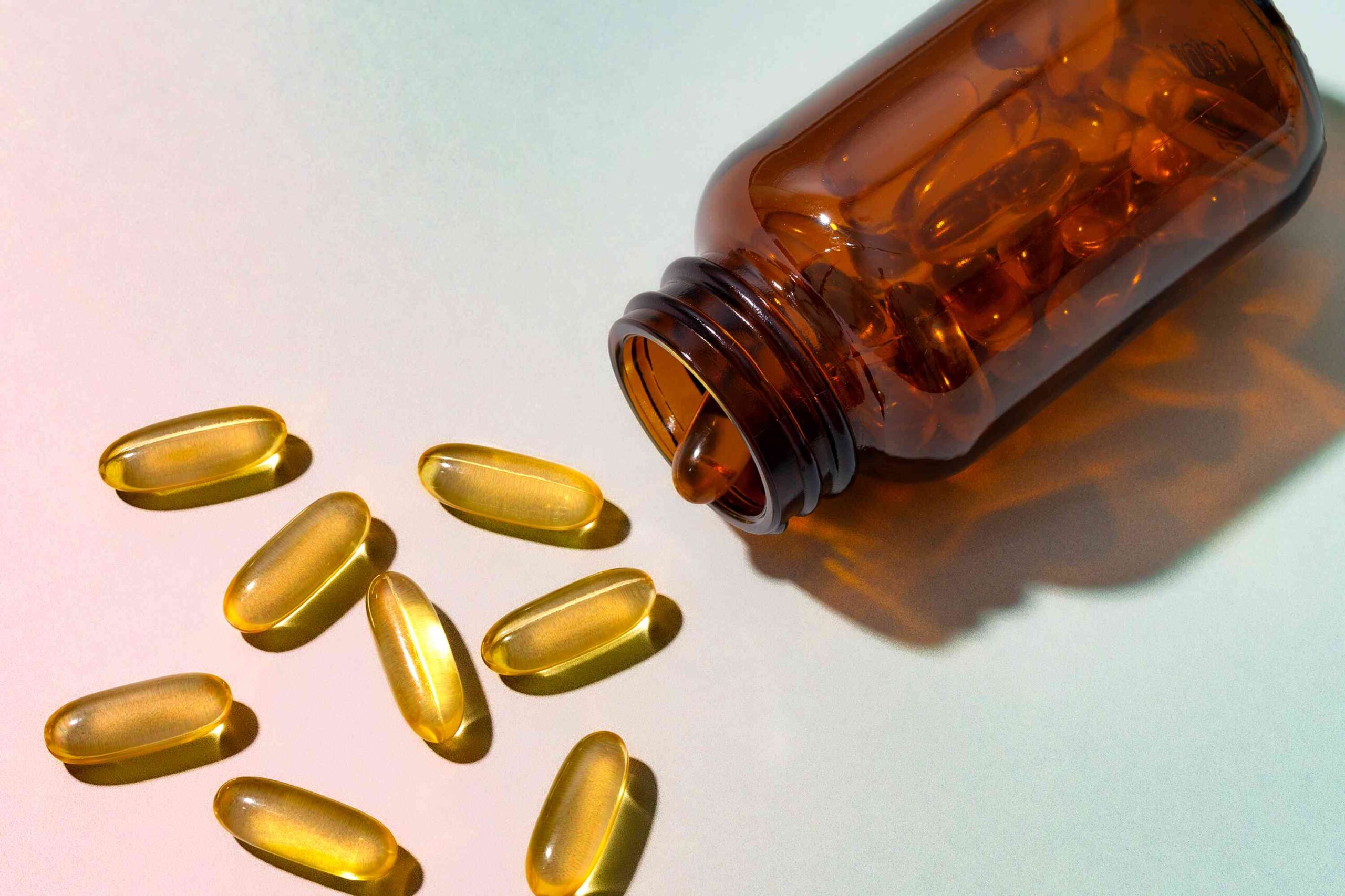
These supplements may help keep the sniffles away.
Reviewed by Dietitian Maria Laura Haddad-Garcia
Key Points
- Vitamin C supports immunity by boosting white blood cells and acting as an antioxidant.
- Zinc helps fight infections by regulating immune cells and reducing virus replication.
- Probiotics, omega-3s and vitamin D strengthen immunity by reducing inflammation.
Feeling under the weather, whether it’s a stuffy nose, cough or sore throat, can leave us scrambling for relief. Once our immune system takes a hit, we often feel defeated and wish we had supported it beforehand.
Bit with so many products out there claiming to “boost your immune system,” it’s easy to feel overwhelmed about knowing what really works.
To help cut through the confusion, we asked dietitians for their recommendations on the top five supplements for immune health. Let’s dive in.
1. Vitamin C
It’s no surprise that vitamin C is the first thing that comes to mind for immunity supplements. Renowned for its immune-supporting powers, vitamin C is one of the best nutrients for supporting your body’s defenses.
“Research has consistently shown that vitamin C plays a key role in supporting the immune system by stimulating the production of white blood cells and enhancing their ability to fight off infections,” says Ashley Hawk, M.S., RD. You can think of vitamin C as a shield, working tirelessly to protect your body from harmful invaders.
In addition to helping with your immune function, vitamin C acts as a powerful antioxidant, protecting cells from oxidative stress, which can weaken the immune system. According to Hawk, this dual action makes it a vital nutrient for maintaining strong defenses against illness.
You can find lots of vitamin C in citrus fruits like oranges, grapefruit, kiwis and strawberries, as well as veggies like broccoli and red bell peppers. If you’re not getting enough through your diet, taking a vitamin C supplement—whether in gummy, tablet, powder or pill form—can help you meet the recommended amounts. The Daily Value for vitamin C is 90 milligrams for adults and children age 4 and older.
There’s also evidence that supplementing with vitamin C when already sick may help reduce the severity of a common cold. That said, more research is needed to confirm this.
“Given that our bodies don’t produce vitamin C, supplementing can help ensure you’re getting enough to support your immune defenses, especially during times of stress or when we’re exposed to germs more frequently,” adds Hawk.
2. Zinc
Since it’s known for its ability to reduce the duration of a cold, keeping zinc handy in your medication cabinet is another must. “Zinc supports your immune system in two key ways. It has a direct antiviral response, and it boosts the function of white blood cells,” says Hawk.
She explains that zinc can inhibit the replication of certain viruses by preventing them from attaching to and entering cells, limiting their ability to spread. Additionally, zinc helps regulate the immune response by supporting the production and activation of T cells, which are crucial for defending against infections.
One study Hawk highlights found that zinc supplementation could shorten the duration of cold symptoms when taken early. “Given that many people are zinc-deficient, supplementing with this mineral can help keep your immune system functioning optimally,” says Hawk.
You can also find zinc in many foods, including seafood (like oysters and blue crab), beef, pork, pumpkin seeds, cheese, lentils and Greek yogurt.
3. Probiotics
Did you know 70% to 80% of your immune cells are in your gut? A healthy gut doesn’t just support your digestion; it’s also crucial for many systems, including your immunity and brain health. That’s why paying attention to your gut health is essential when supporting your immune health.
“Probiotics support immune health by balancing gut bacteria, which play a key role in regulating immune function,” says Amy Goodson, M.S., RD, CSSD, LDwho adds that a healthy gut microbiome can enhance the production of antibodies, which are disease-fighters, and help reduce inflammation, therefore reducing the risk of disease.
Probiotics also play a role in strengthening your gut’s intestinal barrier. Think of them as building a fortress that prevents disease-causing invaders from entering.
You can take probiotics in supplement form or get them by noshing on probiotic-rich foods such as yogurts that contain live and active cultures, kimchi or sauerkraut, or by drinking kombucha or kefir.
4. Omega-3s
You may have heard of omega-3 fatty acids as brain or heart supporters, but they also play a role in immune health. “Omega-3 fatty acids, particularly EPA and DHA, help regulate inflammation, which is critical for immune balance,” says Goodson.
Reducing inflammation is important for immunity and overall health, as it can also help reduce the risk of developing chronic diseases. Goodson adds that omega-3s also support the function of immune cells, including macrophages and B cells. These immune cells, along with others, act as the first-line defenders against pathogens.
You can fill up on omega-3s via supplements or by including omega-3-rich foods in your diet. Salmon, herring, sardines, walnuts, flaxseeds and chia seeds are all sources of omega-3 fats.
5. Vitamin D
The sunshine vitamin has many benefits, including helping support bones, mood and the immune system. Yet many people are low or deficient in vitamin D, which could mean they might need to take it as a supplement to stay healthy, especially during cold and flu season.
Hawk explains that a deficiency in vitamin D can increase susceptibility to infections and even autoimmune conditions. You can think of vitamin D as a switch—it turns on and activates immune cells, like T cells, which fight infections. It also works as an anti-inflammatory agent, helping reduce inflammation and supporting immune health.
Salmon, sardines, UV-exposed mushrooms, fortified milks and eggs are some food sources of vitamin D. If you don’t regularly get enough vitamin D through your diet, try 15 minutes of sun exposure a day, or consider popping a supplement to support your immune system.
Our Expert Take
With countless supplements on the market, it can be tricky to know which one to pick up when you are looking to give your immune system some love. Dietitians recommend vitamin C, zinc, probiotics, omega-3s and vitamin D supplements to support your immune health. By incorporating these nutrients into your week, you can help keep your immune defenses strong and healthy, ready to battle any invaders that come their way. Remember, to always consult a health care provider first before starting any supplement. And choose supplements that has been third-party tested so you know it contains what the label claims it does.