5 Unusual Fruits That Look Almost Unreal
Most people are familiar with everyday staples like apples, bananas, oranges, and mangoes. Yet across the globe, nature produces an extraordinary variety of fruits that look as though they belong on the set of a sci-fi or fantasy film.
Beyond their striking looks, each of these fruits is enjoyed in different corners of the world and brings its own unique culinary profile.
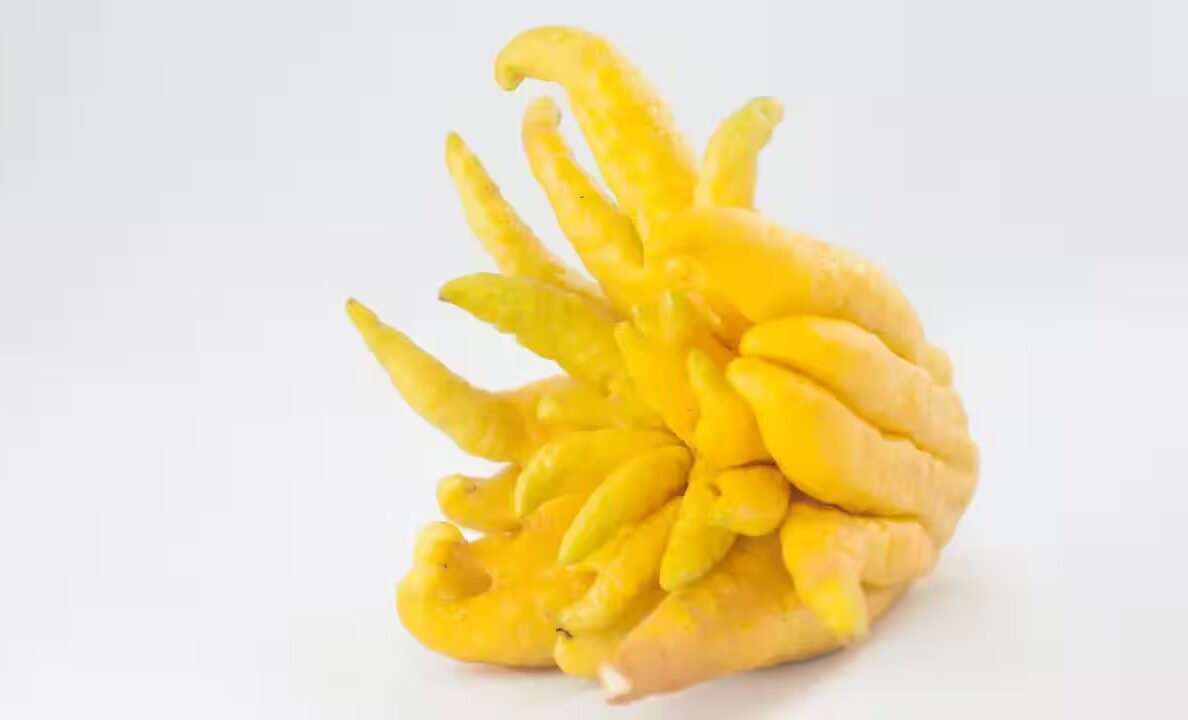
1. Buddha’s Hand (Citrus medica var. sarcodactylis)
Resembling a cluster of bright yellow fingers reaching outward rather than a conventional citrus fruit, Buddha’s hand is an ancient citron variety native to northeastern India and China.
2. Kiwano / Horned Melon (Cucumis metuliferus)
With its bright orange rind covered in sharp, horn-like spikes, the kiwano looks like a prop from an alien planet.
3. Rambutan (Nephelium lappaceum)
At first glance, a rambutan looks like a sea urchin or a fuzzy creature covered in soft red and green spines. Its name comes from the Malay word rambut, meaning “hair”.
4. Jabuticaba (Plinia cauliflora)
Walking past a jabuticaba tree in bloom or harvest is a surreal sight—hundreds of dark purple, grape-like berries grow directly out of the woody trunk and main branches rather than hanging from leafy twigs.
5. Salak / Snake Fruit (Salacca zalacca)
Native to Indonesia and parts of Southeast Asia, salak earns its nickname from its reddish-brown, glossy skin that closely mimics the overlapping scales of a snake.
Quick Comparison
| Fruit | Origin | Visual Standout | Flavor Profile |
| Buddha’s Hand | India & China | Yellow, finger-like tentacles | Fragrant, sweet-floral citrus zest (no pulp) |
| Kiwano | Sub-Saharan Africa | Spiky orange shell, neon green jelly | Cucumber, lime, and subtle banana |
| Rambutan | Southeast Asia | Bright red skin with hair-like spines | Sweet, juicy, and mildly tangy (lychee-like) |
| Jabuticaba | Brazil | Dark berries growing straight on tree bark | Sweet, rich, muscadine grape-like |
| Salak | Indonesia | Glossy, reddish-brown snake scales | Crisp crunch with sweet-tart pineapple notes |