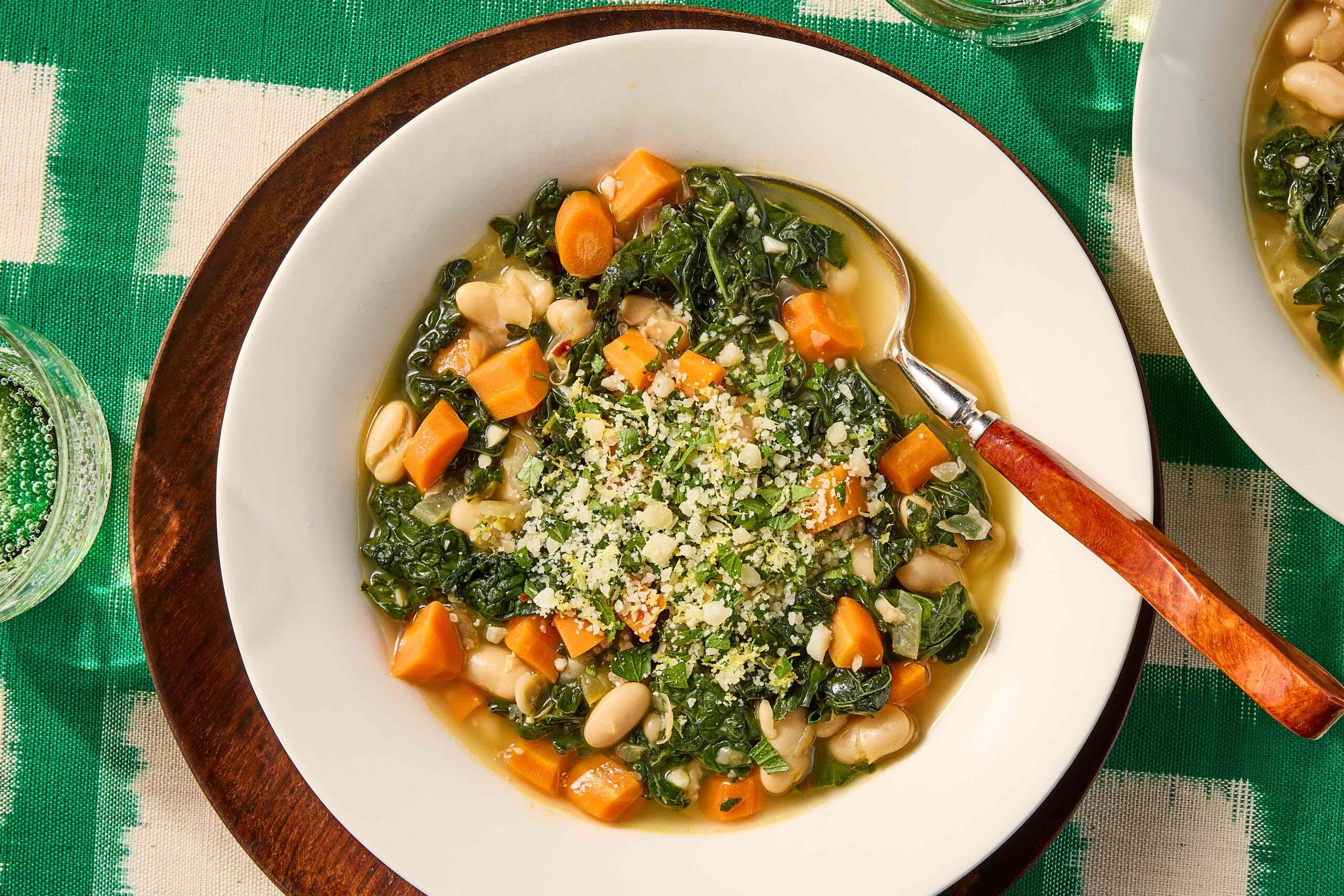
From arugula to watercress, these nutrient-dense greens are packed with compounds that may help calm chronic inflammation.
Reviewed by Dietitian Lisa Valente, M.S., RD
Key Points
- Eating an array of colorful produce, including leafy greens, may help reduce inflammation.
- Leafy greens contain nutrients and compounds linked with lower inflammatory markers.
- Eat more greens by adding them to salads, soups, sandwiches, smoothies and more.
A diet rich in colorful fruits, vegetables, whole grains, nuts, olive oil and fatty fish, a pattern similar to the Mediterranean or MIND diet, is consistently linked to anti-inflammatory benefits. Fighting inflammation matters because it can have a dramatic impact on your health., Short-term inflammation, like what you feel from a cold, is a normal part of the healing process. But when inflammation becomes chronic, it can contribute to metabolic syndrome, cardiovascular disease or blood sugar management problems, says Ginger Hutin, DCN, RDN.
No single food can switch off inflammation overnight, but leafy greens are some of the hardest-working anti-inflammatory foods you can buy. Here are six leafy greens worth eating every week, plus simple ways to work each one into your routine.
1. Arugula
This peppery cruciferous green is a concentrated source of glucosinolates and quercetin, a flavonoid that some research suggests may help block inflammatory compounds. Arugula is also rich in nitrates, which have been studied for their role in supporting healthy blood pressure, a condition closely linked to chronic inflammation.
Known as “rocket” in Europe and other parts of the world, arugula provides a vibrant, slightly nutty bite in a classic Italian salad tossed with olive oil, fresh lemon juice, shaved Parmesan cheese and toasted pine nuts. It’s also a tasty, fresh topper for pizza and pasta. “I love to throw a handful of fresh arugula to top a pizza after baking or use it as a base for spaghetti or shell pasta to increase greens,” Hutin says.
2. Bok Choy
Also known as Chinese cabbage, this mild, crunchy Asian green is another cruciferous vegetable with anti-inflammatory compounds. Bok choy contains hefty amounts of vitamins C and K, along with beta carotene and folate. It may help ease inflammation in gut disorders, like inflammatory bowel disease and colitis. Researchers are exploring how bok choy can support the gut microbiome, strengthen the intestinal barrier and help regulate the immune system.
You can eat all parts of bok choy, simply trim the root ends, cut the stems vertically in half, and rinse the layers to remove any dirt. Try adding sliced bok choy to noodle soups in the last few minutes of cooking or grill it cut-side down for a smoky side dish. “I like to lightly sauté it to add to a stir-fry with tofu and garlic sauce,” Hutin says.
3. Spinach
Spinach is one of the most-studied leafy greens for inflammation, largely thanks to the abundant carotenoids that help to neutralize the oxidative stress that drives chronic inflammation.
A study of athletes found that a week of eating raw spinach helped to positively affect the inflammatory response after strenuous exercise. A cup of raw spinach delivers over 100 percent of the daily value for vitamin K, a nutrient increasingly linked to lower inflammatory markers.
Spinach is also a source of dietary nitrates, plant compounds that research has connected to improved blood vessel function — another piece of the anti-inflammatory puzzle.
This dark leafy green is equally good raw or cooked. Swap it for lettuce in a salad or grain bowl or blend a few handfuls into a fruit smoothie. Hutin’s favorite way to use spinach is in eggs. “Lightly sautéing or chopping spinach before adding it to egg bakes, omelets or egg cups adds flavor, texture, and a lot of additional nutrients,” she says.
4. Kale
Kale is another member of the cruciferous vegetable family and is an anti-inflammatory standout for registered dietitian nutritionist Lizzie Streit, MS, RDN. The leafy green wins her praise for its abundant bioactive compounds, including glucosinolates, carotenoids and flavonoids that have been found to inhibit inflammatory pathways.,
Kale also contains impressive amounts of vitamins C, K and A (in the form of beta carotene).
Kale has a stronger and more bitter flavor than some greens on this list. That’s why Streit recommends combining kale with acidic ingredients to cut through the bitterness, such as salads with apple cider or lemon vinaigrettes. Cut out the tough, fibrous stem and then massage the leaves with olive oil and lemon juice until tender.
5. Collard Greens
Collards may be the new kale, as more home cooks appreciate this affordable, budget-friendly leafy green. Collard greens are a cruciferous vegetable rich in glucosinolates, which provide the pungent odor, bitter taste and anti-inflammatory benefits. Known as a “cooking green” in the South, where it’s traditionally slow-stewed with smoked meats, collard greens are incredibly nutrient dense. One cup of cooked collards contains vitamins C, K and A (beta carotene), fiber, calcium and manganese.
It’s an anti-inflammatory winner for Jackie Topol, M.S., RDN. Topol recommends adding collards to soups, stews and pasta dishes. Or, for a fun swap, she suggests blanching a whole leaf for 30 seconds, shocking it in an ice bath and using it in place of a tortilla.
“Do a quick braise by cooking the greens with vegetable or chicken stock and seasoned with salt and a splash of vinegar to retain more nutrients than a longer-cooked Southern-style braised collards greens,” Topol advises.
6. Watercress
Like other cruciferous greens, watercress is known for being nutrient dense and is packed with beneficial bioactive compounds that have been shown to have a beneficial impact on inflammatory markers.,
“With its delicious peppery bite, you only need a drizzle of olive oil, lemon, and flaky salt to enjoy,” Topol says. She suggests using watercress in place of lettuce in a sandwich, or quickly stir-frying with garlic, ginger and a little sesame oil.
Our Expert Take
Eating to ease chronic inflammation is a pattern that can help strengthen your body’s defenses against many chronic diseases – from cardiovascular disease to type 2 diabetes. Plant foods, including leafy green vegetables, are anti-inflammatory powerhouses that contain an array of beneficial nutrients and bioactive compounds. Explore new greens and rotate weekly into salads, sandwiches, soups, smoothies, stir-fries and sautés.