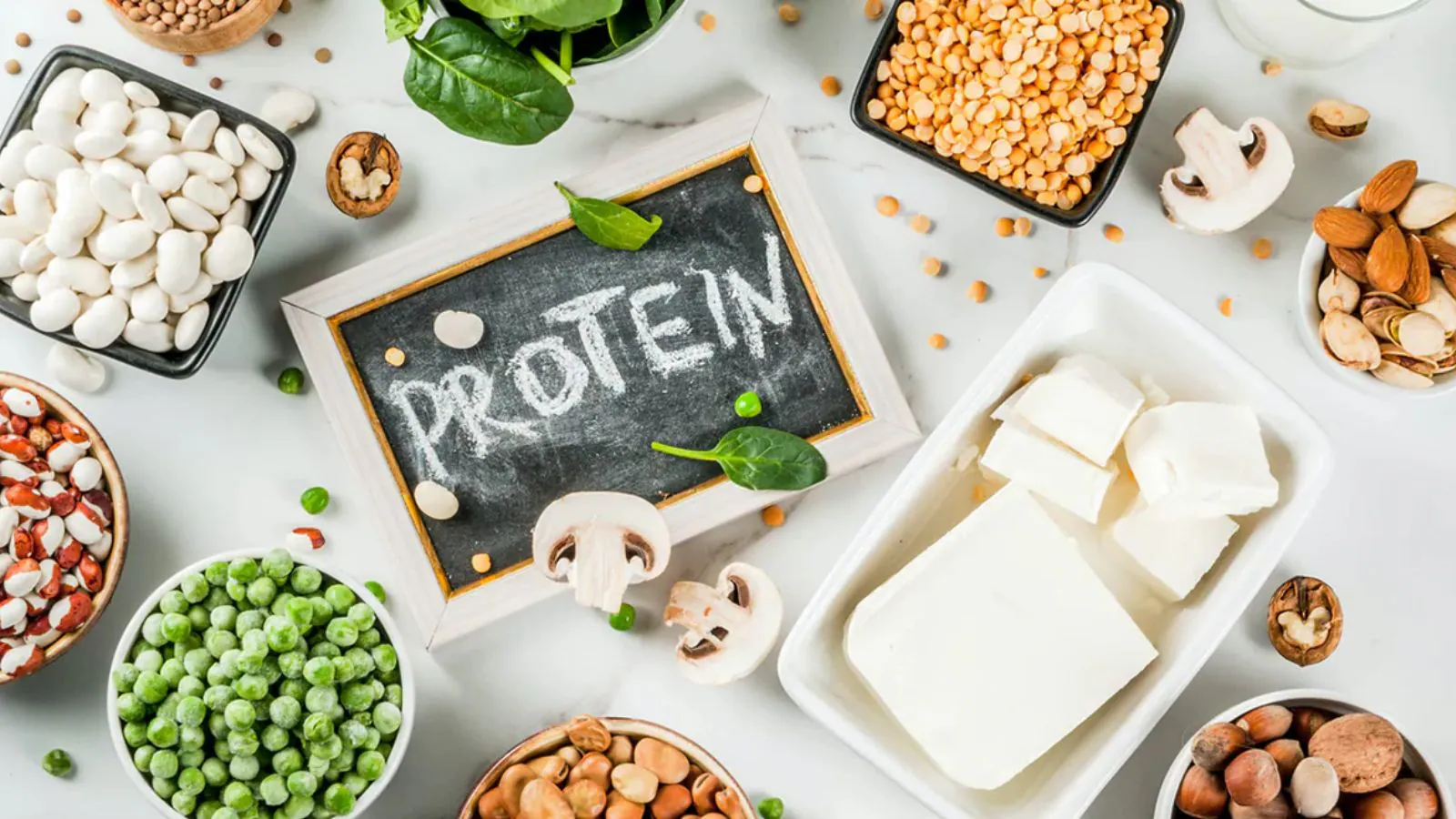
Most vegetarians we meet don't really miss chicken or mutton. It may surprise some people, but many are perfectly happy with a plate of paneer, aloo, dal and greens. There is, however, one question that often comes up: “Am I getting enough protein?”
We tend to associate protein with eggs and meat, but a vegetarian breakfast can pack in plenty of protein too. According to the United States Department of Agriculture (USDA), one egg contains about 6 grams of protein, while 100 grams of egg contains around 13 grams. Several vegetarian foods can give you as much, or even more, protein and can easily be turned into a filling breakfast.
Here Are 7 Foods With More Protein Than An Egg:
1. Paneer
Paneer is one of the easiest ways to add more protein to a vegetarian breakfast. A half-cup serving can provide nearly 12 grams of protein, making it a satisfying option to start the day.
Our suggestion: Make a paneer bhurji and pile it onto wholewheat toast. You can also prepare a paneer-stuffed besan cheela, a paneer sandwich or a classic paneer paratha with curd on the side.
Paneer cheela is an excellent breakfast option.
Photo Credit: iStock
2. Soybeans
If you are looking for a serious protein boost, soybeans are hard to ignore. According to USDA data, 100 grams of soybeans contain around 36 grams of protein, far more than 100 grams of eggs.
Our suggestion: Use boiled soybeans to make a simple breakfast chaat with onions, tomatoes, cucumber, lemon juice and chaat masala. You could also make a soybean and vegetable cutlet or add boiled soybeans to upma.
3. Chickpeas
A bowl of chickpeas can make for a hearty and wholesome breakfast. USDA data shows that 100 grams of chickpeas contain around 19 grams of protein.
Our suggestion: Turn soaked and boiled chana into a quick salad with chopped vegetables and a squeeze of lemon. You can also make chana tikki for a sandwich, a chana wrap or a simple chana kulcha-style breakfast.
4. Chia Seeds
These tiny black seeds may be small, but they are packed with nutrients. Chia seeds come from the Salvia hispanica plant and are known for their omega-3 content and antioxidant properties. According to USDA data, 100 grams of chia seeds contain around 17 grams of protein.
Our suggestion: Soak chia seeds overnight in milk and make a creamy chia pudding. Top it with banana, berries, nuts and a little honey for a fuss-free breakfast.
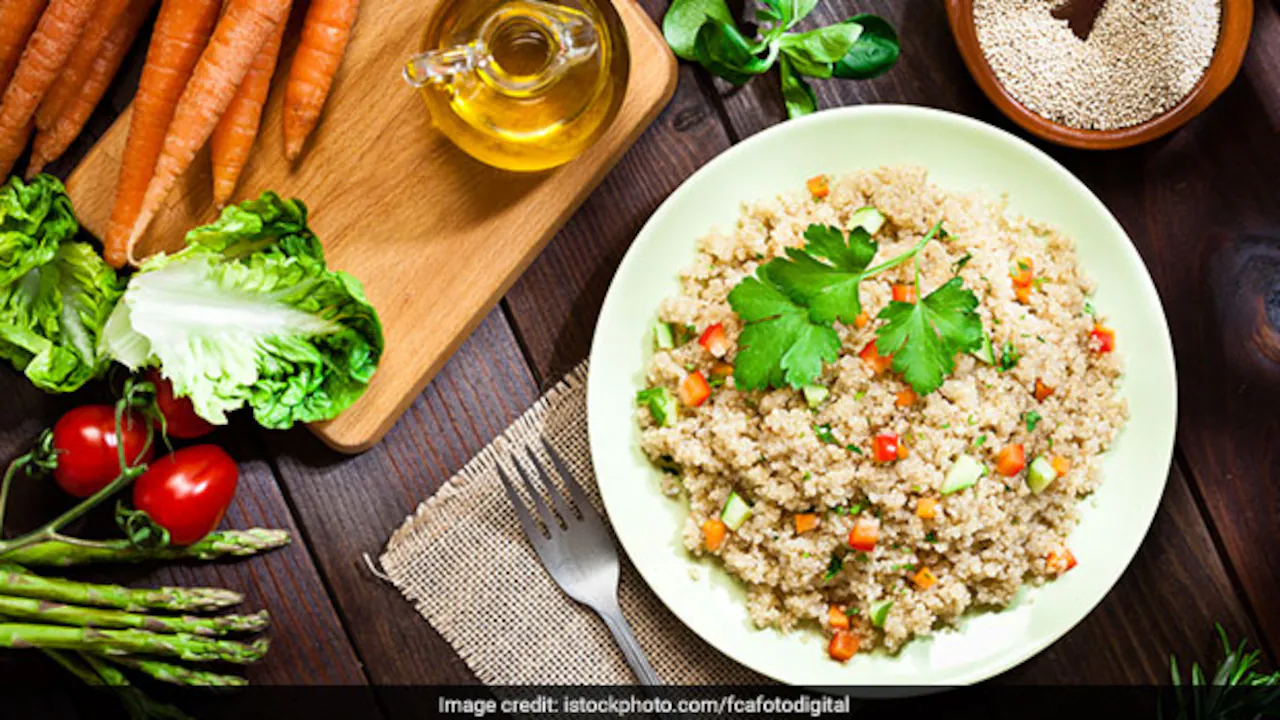
5. Quinoa
Quinoa has long been popular with people trying to eat lighter, but it deserves attention for its protein content too. It is considered a complete protein as it contains all nine essential amino acids. According to the information available, 100 grams of quinoa provides around 16 grams of protein.
Our suggestion: Cook quinoa with peas, carrots and a few spices to make quinoa upma. You can also toss cooked quinoa with vegetables and curd for a quick breakfast bowl.
6. Pumpkin Seeds
Pumpkin seeds are another vegetarian food worth adding to your breakfast plate. They are rich in protein and can easily be paired with other foods rather than eaten in large quantities on their own.
Our suggestion: Sprinkle roasted pumpkin seeds over your poha, oats or yogurt bowl. You can also blend them into a smoothie or add them to homemade granola.
7. Cheese
Cheese can also contribute a good amount of protein, depending on the variety you choose. While it is best enjoyed in moderation, it can make a simple breakfast more filling.
Our suggestion: Add grated cheese to a vegetable omelette-style besan cheela, make a cheese and spinach toast, or stuff a wholewheat sandwich with cheese and vegetables.
The key is not to look for one magical protein food. Combine different vegetarian ingredients, such as paneer with whole grains, chickpeas with vegetables, or chia seeds with milk and nuts, and breakfast can become both delicious and protein-rich.