Many put off seeing a doctor until they feel unwell or notice a symptom that’s hard to ignore. For some men, the pressure to appear fit and put on a brave face can make it harder to speak up about a health concern. These expectations can also make routine check-ups feel easy to skip. This is especially true when you feel ‘fine.’
Ahead of International Men’s Day on November 19, let’s take a closer look at seven health checks men should know about. Dr Chirag Bhandari, andrologist and founder of the Institute of Andrology and Sexual Health (IASH), revealed how age, lifestyle, family history and symptoms can help determine which checks to discuss with your doctor and when.
“A man’s health tests should depend on his age, lifestyle and medical history. Younger men may not always need extensive testing, but habits such as eating unhealthy food, gaining weight, smoking, lack of exercise and poor sleep can increase the risk of health problems, even in the late 20s,” Dr Bhandari said.
This means the tests vary, depending on your lifestyle. Two men of the same age may require different health checks. For someone with a history of diabetes, a blood sugar test may help. Similarly, hormone tests need to be done for someone with a persistent drop in sexual desire. Aside from age, everyday habits, family history and symptoms all help guide which tests are required.
Here are some important health checks men should consider, as per the andrologist:
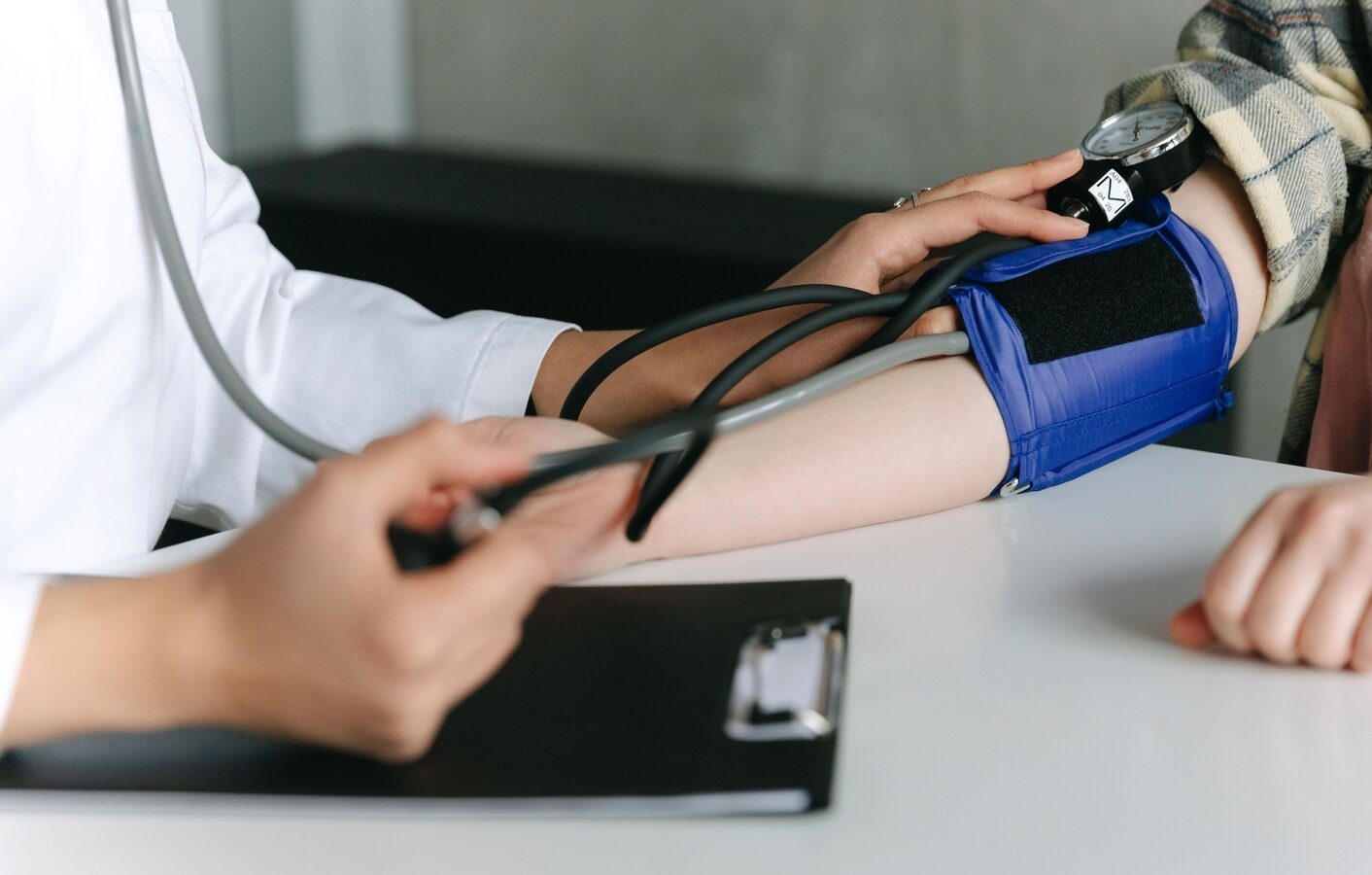
1. Blood pressure monitoring
- Blood pressure should be among the first things men check regularly.
- High salt intake, smoking, weight gain and lack of physical activity can increase the risk of hypertension.
- Often goes unnoticed but can gradually affect the heart, kidneys and blood vessels.
- Can also reduce blood flow to the penis and contribute to erectile dysfunction.
- If a reading is high, it should be checked again and discussed with a physician.
2. Blood sugar test
- Men with a family history of diabetes, excess weight or an inactive lifestyle should keep a check on their blood sugar levels.
- Fasting blood sugar, post-meal blood sugar, and HbA1c tests can help detect diabetes.
- HbA1c gives an average picture of blood sugar levels over the past three months.
3. Cholesterol and lipid profile
- Kidney and liver function tests can help identify problems that may otherwise go unnoticed.
- Men with diabetes, high blood pressure or other metabolic risk factors should discuss these tests with their doctor.
- Can help detect early signs of organ damage.
6. Hormonal profile
- Hormones also play an important role in men’s sexual, reproductive and overall health.
- Men experiencing low energy, reduced sexual desire, fertility concerns or unexplained mood changes may need tests.
- Depending on symptoms, get these tests: testosterone, SHBG, prolactin, estradiol and thyroid profile.
7. Prostate health screening
- With age, prostate health becomes important with age.
- PSA testing and a digital rectal examination may be advised depending on a man’s age, family history and risk factors.
- Early evaluation can help identify prostate-related conditions, including prostate cancer.
Dr Bhandari then advised that health screening should be personalised. Factors like age, lifestyle, family history and existing symptoms should be counted in. A consultation with doctor will help men understand which tests are necessary and address potential health concerns early.
Note to readers: This article is for informational purposes only and not a substitute for professional medical advice. Always seek the advice of your doctor with any questions about a medical condition.