
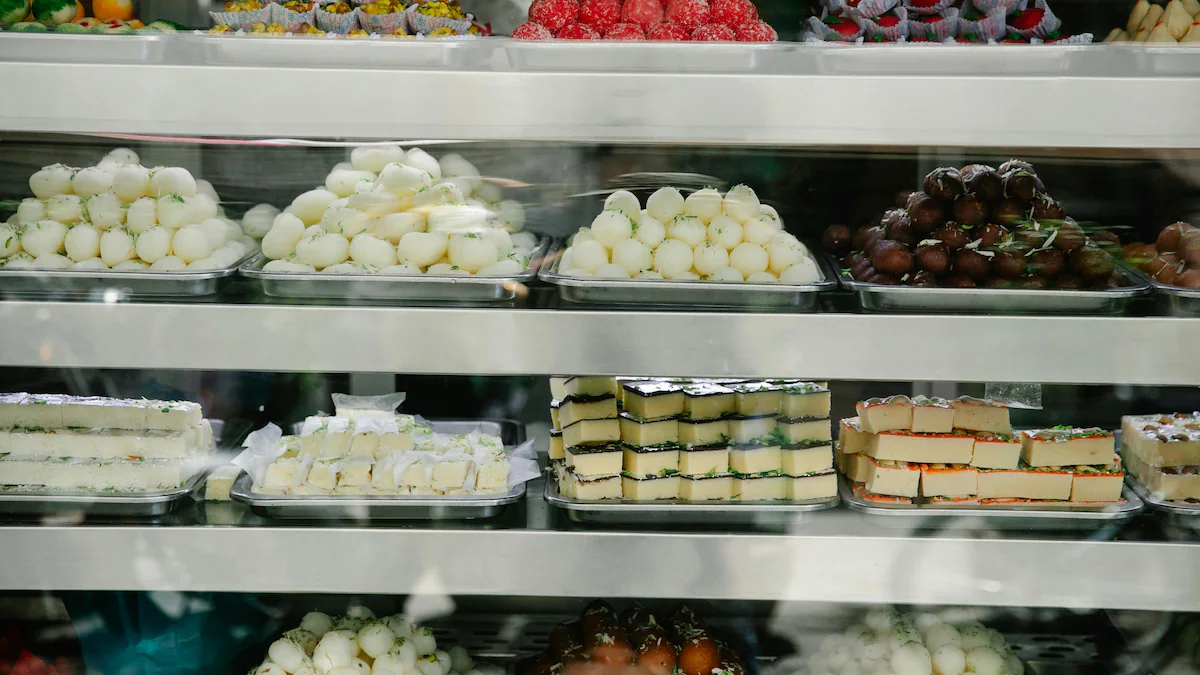

Ask anyone to name a Bengali sweet and you’ll hear the same answer: rasgulla. And fair enough, it’s iconic, it’s GI-tagged, and there’s an entire interstate debate about its origin that Bengalis will remind you of unprompted. But here’s the thing: the Bengali mithai universe is enormous, nuanced, and wildly underappreciated outside of West Bengal. There are sweets built around seasons, sweets that surprise you mid-bite, sweets that look one thing and taste like something else entirely. If you’ve been showing up to the mishti doi and calling it a day, it’s time to go deeper.
Here Are 7 Bengali Sweets That Deserve Far More Of Your Attention
Joynagar-er Moa
First, this sweet has a GI tag, which means you cannot replicate it anywhere else and call it the same thing. Joynagar-er Moa hails from the small town of Joynagar in West Bengal and is one of the most time-specific, ingredient-specific sweets in all of Indian confectionery. It is made from two things that are both seasonal and hyper-local: khoi from Kanakchur paddy, a variety that’s only harvested in winter, and nolen gur, the date palm jaggery that flows only during the cold months.
The texture is soft and light, almost melting into the mouth as you bite into it. The jaggery gives it a smoky, caramel-like sweetness, which is nothing like the flat sugariness of mass-produced sweets. What makes this particularly special is its short shelf life. It doesn’t travel well, it doesn’t keep long, and that is entirely the point. It is a sweet that makes you go to it. Most Bengalis will tell you they wait for winter just for this. The recipe is straightforward in theory: bind the khoi with molten nolen gur, shape into rounds, and let them set. In practice, getting the ratio right so the moa holds its shape without turning dense is something Bengali sweet-makers have been perfecting for generations.
Jolbhora Sandesh
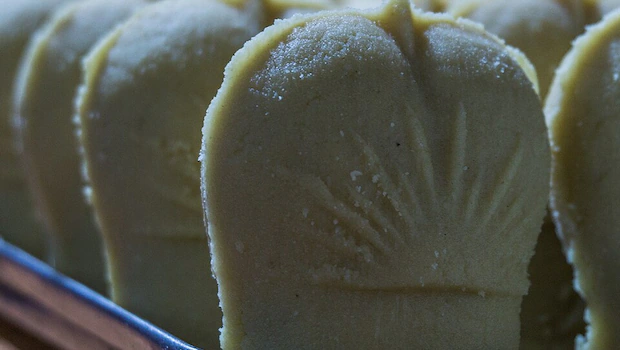
A message that hides a secret. From the outside, Jolbhora Sandesh looks like any other piece of sandesh; Soft, pale, gently moulded. But bite into it, and you’ll find a sweet, syrupy centre. The name itself is a giveaway: jol means water, bhora means filled. Traditionally, the liquid center is rose syrup or nolen gur. The trick is in shaping it so that the syrup remains sealed until the first bite, and then it gently bursts, creating a contrast of textures. The outer layer is soft and lightly sweet, while the inside delivers a sudden, fragrant sweetness.
Making it at home is a real test of patience and technique. You start by making a firm chhena dough with very little sugar — too much moisture and the outer shell collapses. Roll it into a cup shape, add a small spoon of rose syrup or liquid nolen gur, then seal it shut and mold it carefully. The chhena must be kneaded long enough to be pliable but not so much that it becomes greasy. Chill it before serving. The craft lies entirely in the sealing. One wrong press and the whole surprise disappears into the dough.
Langcha
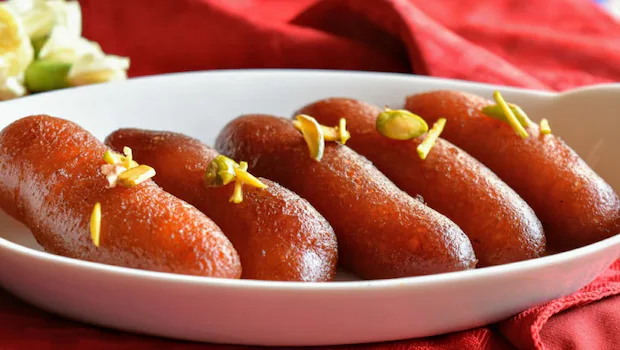
If you’ve eaten gulab jamun, you think you know Langcha. You don’t. Originally from Saktigarh in West Bengal, Langcha is a long, deep-fried sweet made from chhena and flour. Once fried to a deep brown, it is soaked in sugar syrup, turning soft while maintaining a subtle chew. The shape is elongated, almost cylindrical, which gives it a different surface-area-to-syrup ratio compared to a round gulab jamun. That means more caramelised crust per bite.
The flavor leans towards caramelised richness, thanks to the deep frying, giving it a deeper, more intense sweetness. It is hearty and often relished as a roadside treat or festive indulgence. The key difference from gulab jamun also comes down to the chhena content, the fresh cheese gives Langcha a slightly tangier, less uniform sweetness. To make it, knead chhena and a small amount of maida with a pinch of baking soda until smooth. Shape into oblongs, fry on low heat until deep brown, then soak for at least 30 minutes in warm sugar syrup flavored with cardamom. The slow fry is non-negotiable. High heat will crack the surface before the inside cooks through.
Mihidana and Sitabhog
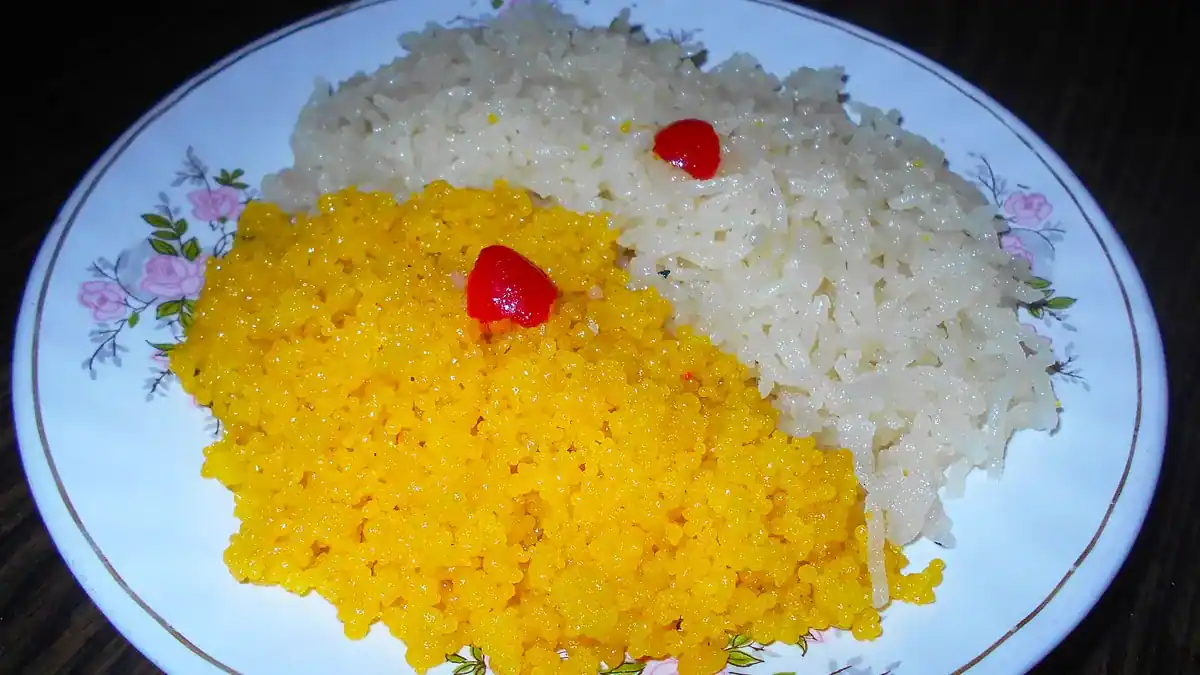
These two are almost always served together, and once you understand why, you’ll never want them apart. Both originate from Burdwan (now Bardhaman) and have GI tags of their own. Mihidana resembles tiny golden grains; Soft, delicate, and lightly sweet, nearly dissolving in the mouth. Sitabhog, on the other hand, looks like fragrant white rice but is entirely sweet, made from fine strands of rice flour and chhena, often sprinkled with small fried pieces. Together they make a layered experience: one granular and light, the other soft and lightly rich, showcasing Bengal’s finesse with texture-driven sweets.
Mihidana is essentially a very fine version of boondi. Besan batter is pushed through a fine-holed ladle into hot ghee, and the tiny golden droplets are immediately transferred to sugar syrup. The batter needs to be thin enough that the droplets separate cleanly. Sitabhog is considerably more intricate; rice flour and chhena are cooked together into a smooth dough, then pushed through a sevania press directly into boiling sugar syrup, creating the rice-like strands. It is one of those sweets that looks effortless but demands a very steady hand.
Lobongo Latika
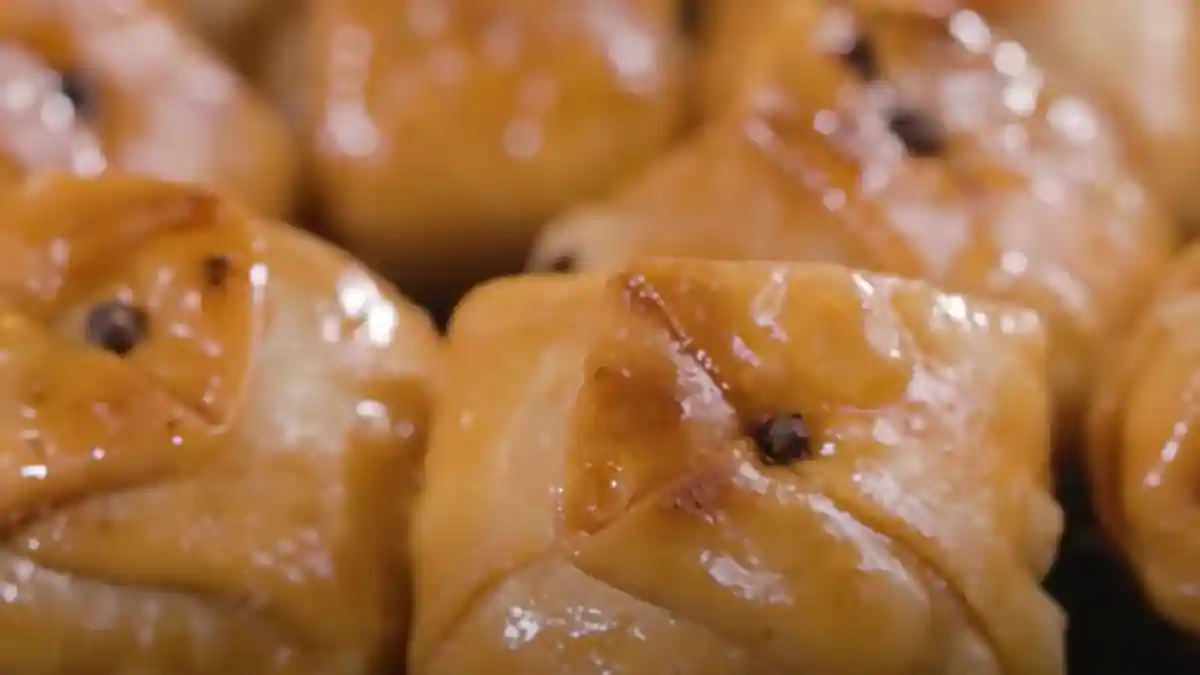
Labong Latika is usually made during the auspicious period of Durga Puja or Makar Sankranti. It is a festive sweet that feels like a carefully wrapped parcel. A thin dough parcel is filled with a rich, grainy kheer-like mixture, folded neatly and tied with a clove, lobongo in Bengali, which also gives it a slight spice note. It is then deep-fried and soaked in sugar syrup, letting the outer layer turn crisp while the inside remains soft and luscious. The flavor is layered: sweet, slightly spicy, and extremely comforting.
The filling is typically made by cooking khoya with sugar, cardamom, and sometimes grated coconut until it comes together into a thick, spreadable mixture. The outer pastry is a simple maida dough made tight with a little ghee. Roll it thin, spoon a small amount of filling in the centre, fold the dough over like an envelope, and pierce the flap shut with a clove. Then fry until golden and dip briefly in sugar syrup. The clove does more than just seal the parcel; it cuts through the sweetness with a faint warmth that makes this sweet unlike anything else on the table.
Noisy Bhaja
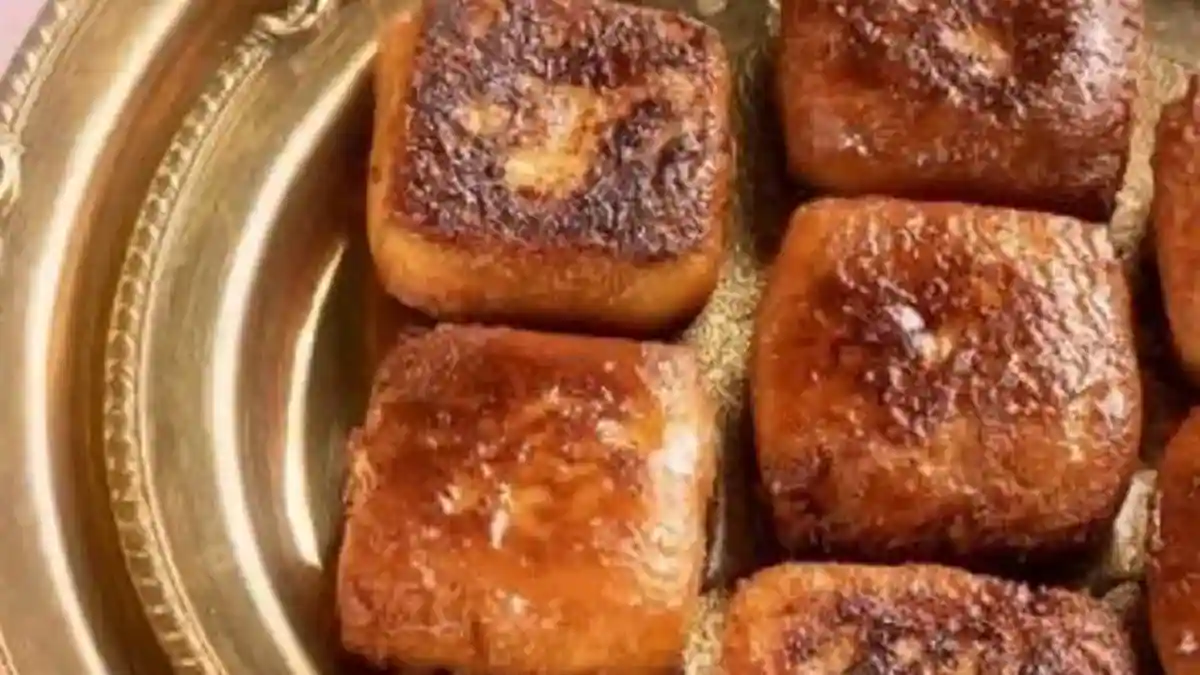
This one is pure craft. Shor Bhaja is made by carefully collecting layers of milk cream, which are then folded, shaped, and deep-fried until golden. Once fried, they are soaked briefly in sugar syrup, letting the exterior turn crisp while the inside remains decadent. The texture is what sets it apart: crisp on the outside, rich and velvety within. Every bite feels indulgent without being too sugary, making it one of Bengal’s most artisanal and rare sweets, often reserved for special events.
Making it requires patience before anything else. You need to heat full-fat milk in a wide, heavy-bottomed pan on very low heat, allowing the cream to rise and form a film on top. Collect this film repeatedly over several hours and layer it carefully in a tray. Once you have enough layers, cut them into rectangles, fry gently in ghee until golden on both sides, and soak briefly in thin sugar syrup. The result is something between a fried cream and a delicate pastry. It is not a sweet you can rush, and that is exactly why it’s rare.
Patishapta
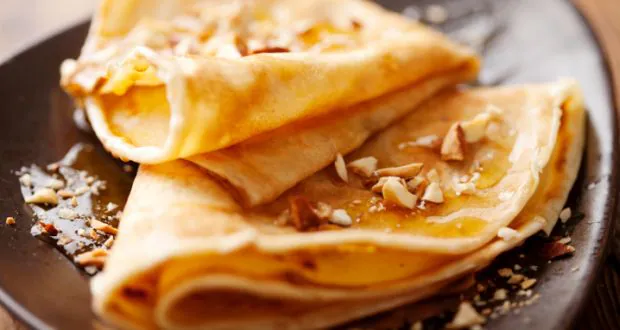
Patishapta is made especially on the day of Poush Sankranti or Makar Sankranti. Authentic Bengali-style Patishapta is made with rice flour, jaggery, and coconut. Think of it as Bengal’s answer to a stuffed crepe, but older, more rooted, and considerably more interesting. The batter is a mixture of rice flour, maida, and semolina, loosened with milk to a thin, pourable consistency. It hits a lightly greased pan and spreads into a thin disc. The filling is the real draw: freshly grated coconut cooked down with nolen gur until dry and fragrant, sometimes with a little khoya stirred in for richness. The crepe is folded around this filling while still warm.
What makes Patishapta worth seeking out is the interplay between the slightly chewy crepe and the gooey, jaggery-sweetened coconut inside. When nolen gur is used, the whole thing smells like caramel with an earthy, smoky undertone that no refined sugar can replicate. It is a home sweet more than a shop sweet, which is part of why it remains so personal to the people who grow up eating it.
Attention Worthy Sweets
The Bengali sweet-making tradition is, at its core, a lesson in restraint and precision. These are not sweets that shout, they are sweets that reward attention. Every texture is deliberate, every ingredient choice carries history, and many of them are tied to a specific season or occasion in ways that make them genuinely irreplaceable. So the next time you’re at a Bengali sweet shop, look past the rasgulla. Order the Langcha. Ask if they have Jolbhora Sandesh. Pick up a box of Mihidana and Sitabhog together, the way they’re meant to be. Bengali sweets have been patiently waiting for the rest of India to catch up.

Comments are closed.