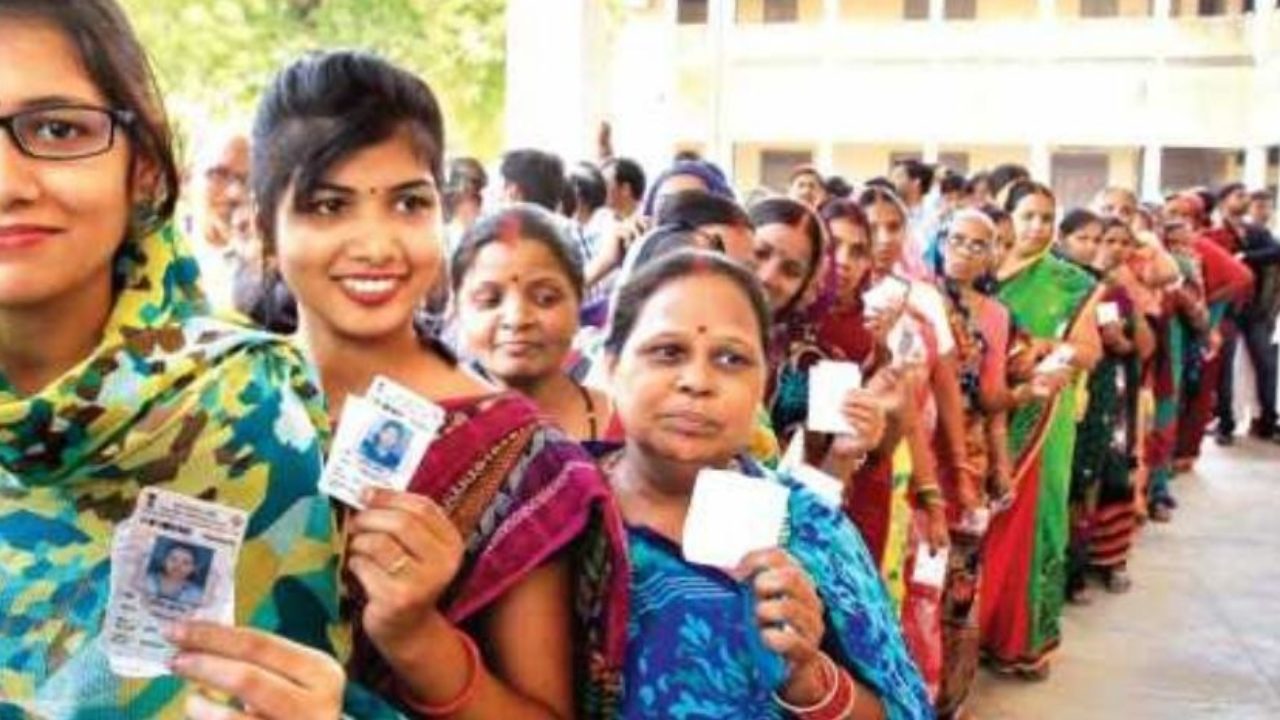
Nearly 75 lakh names have been added to draft electoral rolls through the Election Commission of India’s (ECI) Special Summary Revision (SSR), following the completion of the Special Intensive Revision (SIR) exercise. The latest additions have increased the combined electorate in the covered states and Union Territories from 45.22 crore to 45.96 crore, representing a rise of approximately 1.64%.
The additions come after the SIR exercise significantly reduced voter numbers across several states. Before the intensive revision, the combined electorate stood at 49.61 crore. It subsequently fell to 45.22 crore before increasing again through the SSR process.
Uttar Pradesh Records the Largest Addition
Uttar Pradesh recorded the highest increase in absolute numbers after publishing its draft electoral roll on November 17, 2026. The state added 18.84 lakh voters, taking its electorate from approximately 13.39 crore to 13.58 crore.
An important feature of the revised list is the inclusion of young voters. Around 11.83 lakh of the newly added electors in Uttar Pradesh belong to the 18-19 age group.
Other states also reported increases. Uttarakhand added approximately 1.19 lakh voters, while Manipur recorded an increase of 33,737. Goa added 31,815 voters and registered the highest percentage growth among these states, at 3.01%.
Punjab, however, reported no net increase in its electorate, which remained at approximately 2.01 crore.
How SSR Differs From the Special Intensive Revision
The Special Summary Revision is the Election Commission’s annual process for updating electoral rolls. It provides an opportunity for eligible citizens to register as voters, particularly those who have recently turned 18 or will become eligible in the coming months.
Unlike the SIR exercise, the SSR does not require applicants to submit fresh documents establishing their citizenship or prove their connection with earlier electoral rolls.
The process starts with the existing electoral roll being used as the basis for a draft list. Voters can then submit claims and objections to include eligible names, remove incorrect entries or correct existing information.
The exercise also allows advance applications from people who will turn 18 on April 1, July 1 or October 1, 2027.
Voters Can Submit Claims and Objections
The publication of draft electoral rolls has opened a window for voters to check their details and seek corrections. In most of the states and Union Territories covered in the initial publication, the deadline for submitting claims and objections is December 11, 2026.
Uttar Pradesh has a separate schedule, with its claims and objections period running until December 16.
The Election Commission will examine the submissions before publishing the final electoral rolls on January 4, 2027.
A Key Update Ahead of Future Elections
The latest SSR exercise is significant because it follows a period in which electoral rolls underwent extensive revisions. The addition of nearly 75 lakh names provides another opportunity for eligible voters to enter the system and correct inaccuracies.
The process is particularly important for young and first-time voters who need to ensure their names appear on the electoral rolls ahead of upcoming elections.
Summary
Nearly 75 lakh names have been added to draft electoral rolls through the Special Summary Revision across 13 states and Union Territories. Uttar Pradesh recorded the largest increase, with 18.84 lakh additions. Voters can submit claims and objections during the prescribed period, with final electoral rolls scheduled for publication on January 4, 2027.