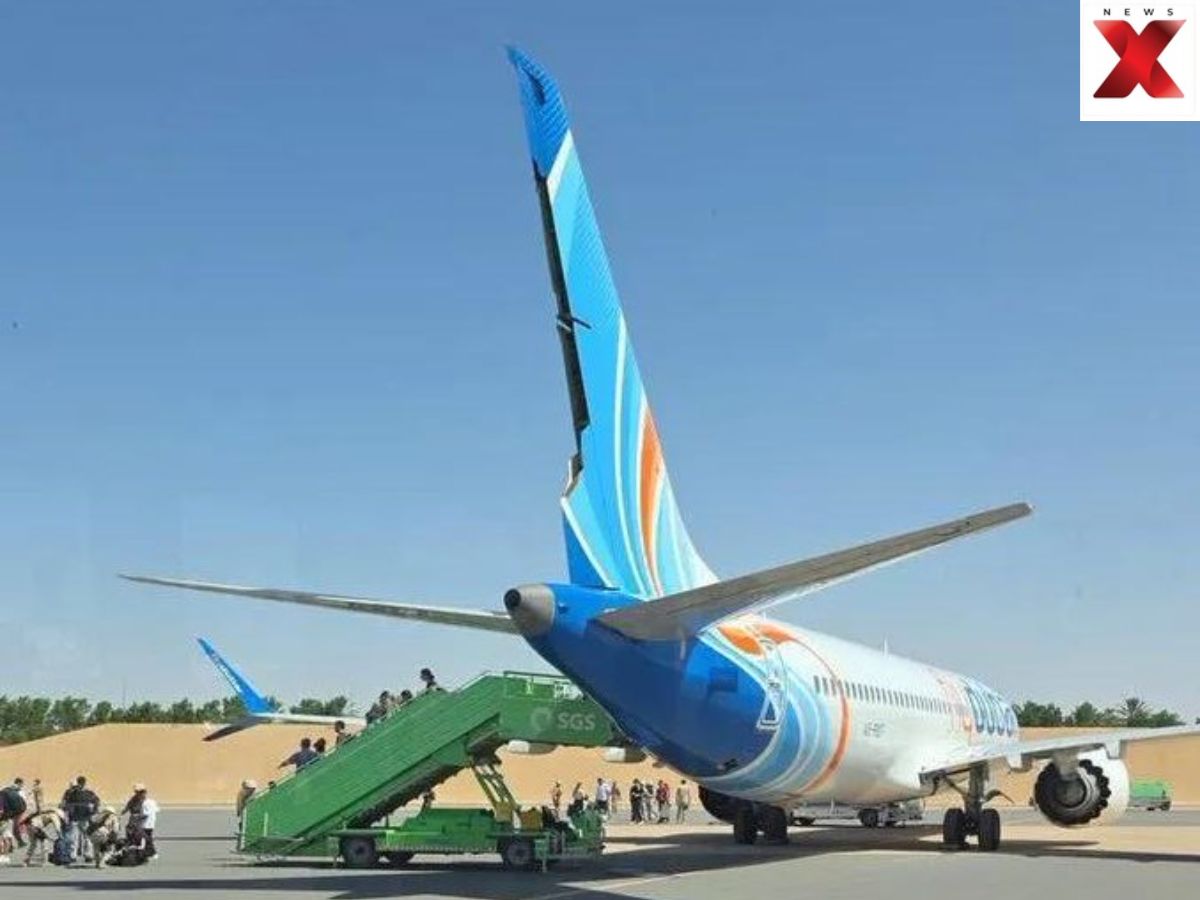
Flydubai flight FZ1073, travelling from Dubai to Tel Aviv, transmitted three different emergency signals on Wednesday before diverting to Tabuk in Saudi Arabia. The aircraft first sent the 7700 squawk code, used to indicate a general emergency, then switched to 7500, the code for unlawful interference. It later returned to 7700 before landing safely in Tabuk, according to flight-tracking data from Flightradar24.
The sequence has drawn attention to the four-digit numbers pilots can enter into an aircraft’s transponder to quickly alert air-traffic controllers that something is wrong. Known as squawk codes, they are part of a standardised aviation system and can indicate anything from a communications failure to an emergency or suspected unlawful interference.
How squawk codes helped flag the emergency on flydubai flight FZ1073
The FZ1073 incident showed how quickly a squawk code can change the way an aircraft is treated by air-traffic control. The 7500 signal is specifically associated with unlawful interference and can indicate a hijacking or another situation in which someone is unlawfully interfering with the aircraft.
US Federal Aviation Administration procedures tell controllers who observe 7500 to apply procedures for a hijacked aircraft. However, the code itself is an indication of unlawful interference and is not independent proof that a hijacking has taken place. That distinction became important in the flydubai incident, which initially raised fears of a hijacking.
Israeli officials later said the incident involved an altercation between the pilots, while Reuters reported that authorities were investigating the circumstances. Israeli fighter jets were also scrambled as the situation unfolded.
What the 7500, 7600 and 7700 squawk codes actually mean
There are three internationally standardised emergency squawk codes: 7500, 7600 and 7700. The International Civil Aviation Organization says 7500 means unlawful interference, 7600 means a communications failure and 7700 means an emergency.
The FAA similarly says these signals tell air-traffic control what type of emergency is being indicated. Compatible ADS-B systems can automatically set the corresponding emergency status when one of these codes is entered into the transponder.
The 7600 squawk code is used when an aircraft loses normal two-way radio communication with air-traffic control. It tells controllers that the aircraft may no longer be able to communicate normally. It does not, by itself, mean there is a mechanical emergency or that the aircraft is in danger. FAA air-traffic-control procedures say an aircraft experiencing a loss of two-way radio communications can be expected to use 7600, after which established procedures are followed.
Why the 7700 squawk code covers a much wider emergency
Unlike 7500 and 7600, the 7700 squawk code does not identify one specific problem. It is the general emergency signal and tells air-traffic control that the aircraft is facing an emergency requiring assistance.
That could involve a serious mechanical problem, a medical emergency or another situation requiring immediate attention. FAA procedures state that 7700 is used when a pilot declares an emergency and the aircraft is not radar-identified. Once communication and identification have been established, controllers can, where appropriate, instruct the aircraft to change to another assigned code.
The flydubai aircraft first transmitted 7700, then 7500 and later returned to 7700 before diverting from its planned route and landing safely at Tabuk. The sequence did not, by itself, explain what had happened inside the aircraft, but it gave controllers changing signals about the situation.
What happens when a pilot enters a squawk code
A squawk code is transmitted through the aircraft’s transponder and can be displayed to air-traffic controllers and other surveillance systems. Modern ADS-B systems integrated with the transponder can also automatically set the relevant emergency status when 7500, 7600 or 7700 is entered.
The response depends on the signal received and what controllers know about the circumstances. A 7600 indication leads to procedures for a communications failure, while 7700 identifies a general emergency and allows controllers to provide appropriate assistance and priority handling. A 7500 indication triggers procedures associated with suspected unlawful interference.
The codes can also be triggered accidentally. Because entering 7500, 7600 or 7700 can set the applicable emergency status in compatible ADS-B systems, pilots are trained to use the transponder carefully.
The numbers may appear cryptic to people outside aviation, but squawk codes are not secret signals. They are standardised tools that allow aircraft to quickly communicate critical information to air-traffic controllers. In situations where normal communication is difficult or impossible, those four digits can provide an important first indication of the problem an aircraft may be facing.
Also Read: Was Dubai-To-Tel Aviv Flydubai Flight Hijacked? 7500 Alert, Fighter Jets And Why It Landed In Saudi Arabia
Khalid Lateef is a Sub-Editor at NewsX Digital, specializing in Indian politics and global affairs. He also covers viral trending stories and major crime developments.
The post 7700, 7500, 7600 Explained: What Mysterious Aircraft Codes Mean And When Pilots Use Them appeared first on NewsX.