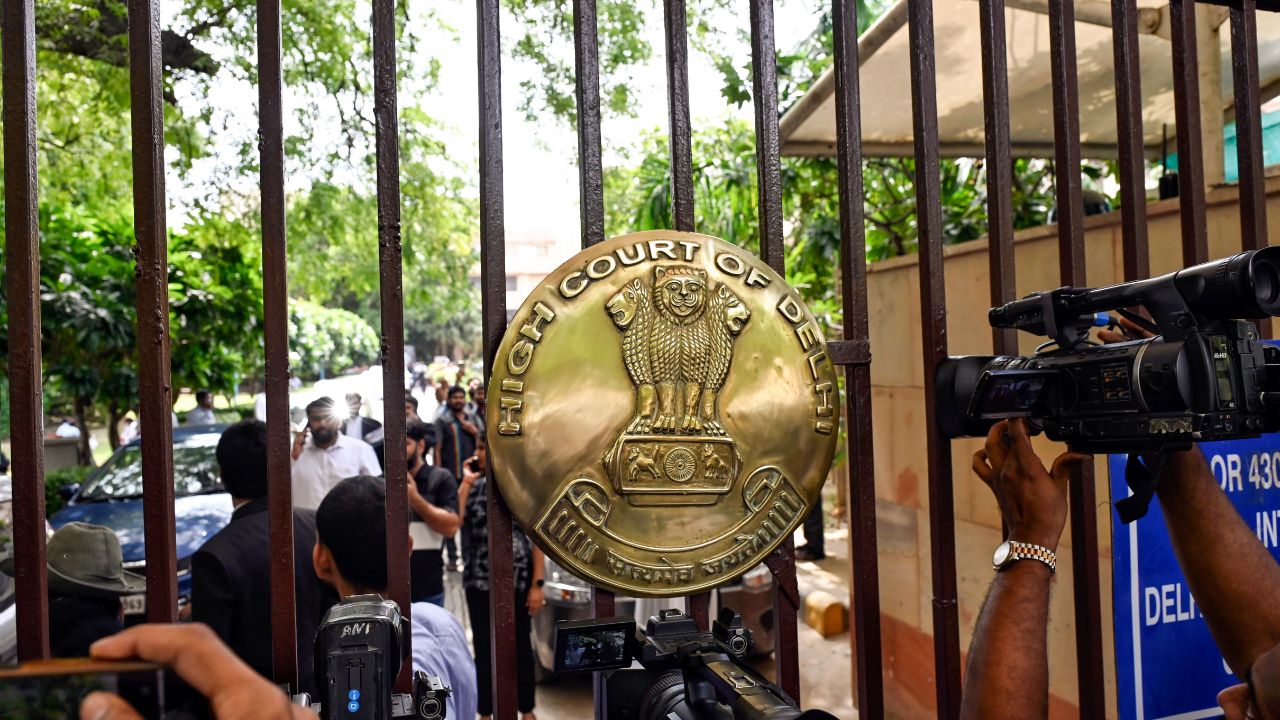
On the morning of 7 September 2011, a crowd had gathered outside the Delhi High Court as usual. No one had even thought that a briefcase kept in the middle of this crowd would create havoc after some time. A massive bomb blast near Gate No. 5 took the lives of 17 people, while about 80 people were injured. For many of the families whose families had come to the court from home that day, that morning became a never-ending pain. The biggest question after the blast was who was behind this attack?
During the investigation, an email claiming responsibility for the attack in the name of terrorist organization Indian Mujahideen was revealed. As the investigation of the case progressed, many suspects became the target of investigating agencies. In March 2012, the NIA filed a charge sheet against six accused, including a minor. These included Wasim Akram Malik, his brother Junaid Akram Malik, Aamir Abbas Dev, Shakir Hussain Sheikh alias Chhota Hafiz and Aamir Kamal. Aamir Abbas Dev later became a government witness and the court pardoned him. At the same time, the minor accused was sentenced to three years imprisonment by the Juvenile Justice Board in 2014.
A massive explosion occurred at 10:15 in the morning
7 September 2011 was Wednesday. A large number of people had reached the Delhi High Court for the hearing. There was a crowd of people making passes outside gate number 5. Suddenly there was a loud explosion at around 10:15 in the morning. Within a few moments a stampede-like situation was created there. In the beginning no one understood what had happened. But when the smoke started clearing and the injured were seen, the seriousness of the incident became apparent. Police, ambulance and security forces surrounded the area. Initially, the news of death of 11 people in this explosion came to light, but later the death toll increased to 17. About 80 people were injured.
Why was a crowded day and the place of High Court chosen?
During investigation it came to light that the choice of day and place for the attack was not considered a mere coincidence. A large number of people used to reach Delhi High Court on Wednesday. Especially due to the cases related to Public Interest Litigation i.e. PIL, there was talk of overcrowding in the court. The blast took place between gate numbers 4 and 5 of the High Court. The force of this explosion was so much that a deep crater was formed in the ground. At that time, there was no adequate CCTV system outside the High Court, which posed a big challenge to the investigating agencies in the initial phase.
What was used in the bomb?
Initial investigation revealed that an improvised explosive device i.e. IED was used for the blast. According to reports, ammonium nitrate and other explosive materials were used in it. The then Union Home Secretary RK Singh had called it a high intensity blast. The magnitude of the blast had once again raised serious questions on the security system of Delhi.
The story of terrorist organization started from email
The day after the blast, i.e. on 8 September 2011, some media organizations and news agencies received an email. In this, Indian Mujahideen had claimed responsibility for the attack. Threats of further attacks were also made in the mail. Earlier, the name of Harkat-ul-Jihad-al-Islami i.e. HUJI had also surfaced through another email. In that email, it was claimed to link the blast with the punishment given to Parliament attack convict Afzal Guru. However, the then Home Minister P. Chidambaram had said in Parliament that the role of any terrorist organization had not been finally determined in that initial phase of the investigation. Afzal Guru also later distanced himself from this incident.
NIA took over the investigation, many arrests were made
The investigation of the case was later handed over to the National Investigation Agency i.e. NIA. A special team was formed for investigation. The agency started investigating the email and its source. As the investigation progressed, some people were arrested from Jammu-Kashmir and Bihar. Among these, the name of Wasim Akram Malik came out prominently. The investigating agencies claimed his connection with the terrorist network. In March 2012, the NIA filed a charge sheet against six accused, including a minor. These included the names of Wasim Akram Malik, his brother Junaid Akram Malik, Aamir Abbas Dev, Shakir Hussain Shaikh alias Chhota Hafiz and Aamir Kamal. Aamir Abbas Dev later became a government witness and the court pardoned him.
Minor accused got three years imprisonment
The case of the minor accused involved in this case was heard separately in the Juvenile Justice Board. In 2014, the board sentenced him to three years' imprisonment. At the same time, the legal process in the case related to Wasim Akram Malik continued for a long time. In 2014, the Delhi High Court had also raised questions on the functioning of the police regarding the delay in investigation.
Even after six years of the blast, the victim's family is worried
The pain of this attack was not limited to that day only. The lives of many families were changed forever. In 2017, six years after the blast, the issue of problems of the victims' families again came before the Delhi High Court. Sangeeta, wife of Ashok Kumar Sharma, who lost his life in the attack, had approached the court regarding the problems of her family. The case related to the husband's pension was pending and the family was facing financial and other problems.
This incident reminds us that the impact of a terrorist attack does not end with the explosion. For the families of the 17 people who lost their lives that day and those who were injured, its trauma will last a long time. For this reason, the Delhi High Court blast of 7 September 2011 is counted among those terrorist attacks in the country, the memory of which even today brings to the fore questions related to the security of the capital and terrorism.