


Hybrid cars, more importantly strong hybrid models, are becoming very popular in India. This is due to the excellent fuel efficiency and driving comfort that they provide. Now, Toyota in particular has come out as the undisputed leader in the strong hybrid segment in India. In FY2026, the total number of hybrid cars sold in India stood at around 1.23 lakh units. Out of this, Toyota Kirloskar Motor alone contributed a massive 1.02 lakh units. What this means is that 8 out of 10 strong hybrid cars sold in India were from Toyota.
In FY2026, a total of 46.83 lakh units of passenger vehicles were sold in India. Out of these, 1.23 lakh were strong hybrids. And of these 1.23 lakh units, 1.02 lakh units were sold by Toyota alone. Toyota has accounted for 80 percent of total hybrid car sales in India. Other automakers also sell strong hybrid cars as well. However, their contribution is very limited in comparison.
Maruti Suzuki managed to sell around 20,000 hybrid cars, while Honda Cars India sold just over 1,000 units in the span of FY2026. Now, coming to the biggest reason behind Toyota’s strong position in the hybrid segment, it is its well-planned product strategy. The company is not relying on just one model but instead has multiple strong hybrid products across segments.
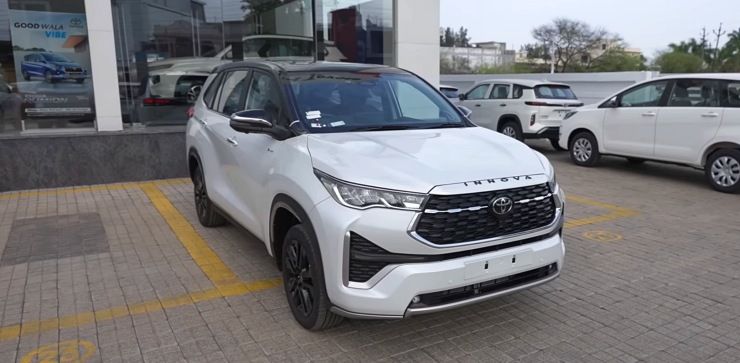
Starting with the most important model, the Toyota Innova Hycross. This premium MPV has been a massive success for the brand. It comes equipped with a 2.0-litre strong hybrid petrol engine which produces around 184 PS of combined power. This MPV has become extremely popular among both private buyers and fleet operators.
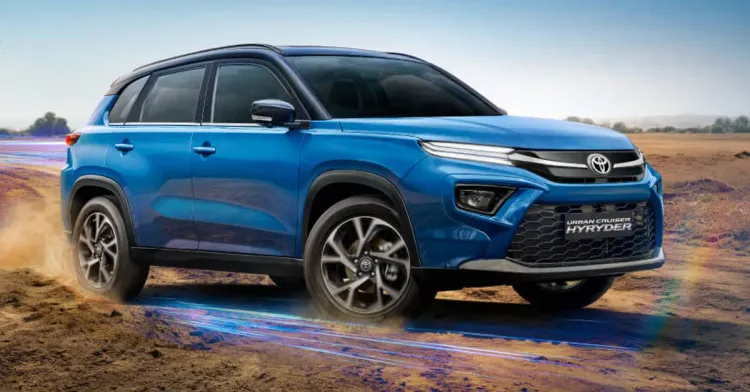
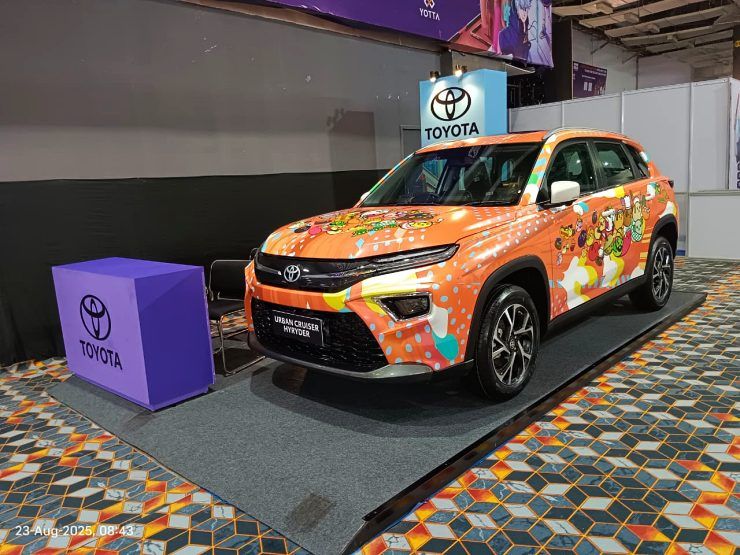
One of the main reasons behind its success is that it offers diesel-like fuel efficiency. But it still manages to offer the refinement of a petrol engine. Apart from the Innova Hycross, Toyota also offers the Urban Cruiser Hyryder as well. This mid-size SUV has played an important role in bringing hybrid technology to become more affordable in India.
It is offered with a 1.5-litre strong hybrid system which produces around 116 PS. Presently, the Urban Cruiser Hyryder is one of the most accessible strong hybrid SUVs in India. Moving to the premium segment, Toyota offers the Camry, which has always been one of the most sophisticated hybrid technology-equipped cars in the Indian market.
Even though its sales numbers are not very high, it helps the brand as a halo product. Apart from these, models like the Vellfire and Lexus range also contribute in smaller numbers.
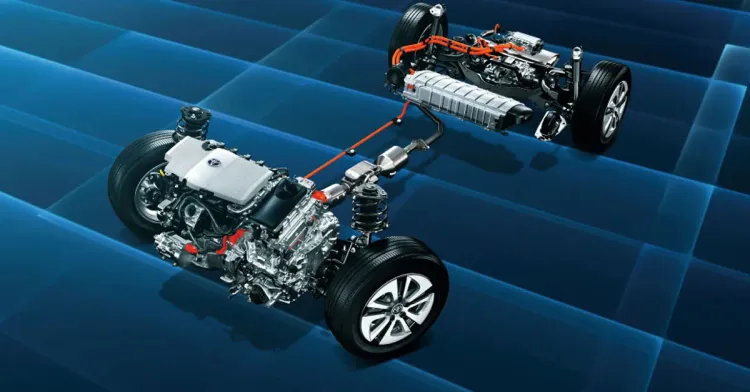
One of the biggest reasons behind the dominance of Toyota in the hybrid segment is that it entered the hybrid space much earlier than its competitors. Globally, the brand has been working on hybrid technology for decades. And that experience has helped the brand with an early mover advantage in the Indian automotive market.
Another major factor is the use of strong hybrid systems. Unlike mild hybrids offered by many other brands, Toyota’s strong hybrid setup helps the car to run purely on electric power at low speeds. This results in much better real-world fuel efficiency, especially in city driving conditions.
Additionally, Toyota has managed to localize its hybrid technology through its partnership with Maruti Suzuki. This has helped the brand in reducing costs and has made hybrid cars more accessible to Indian buyers.
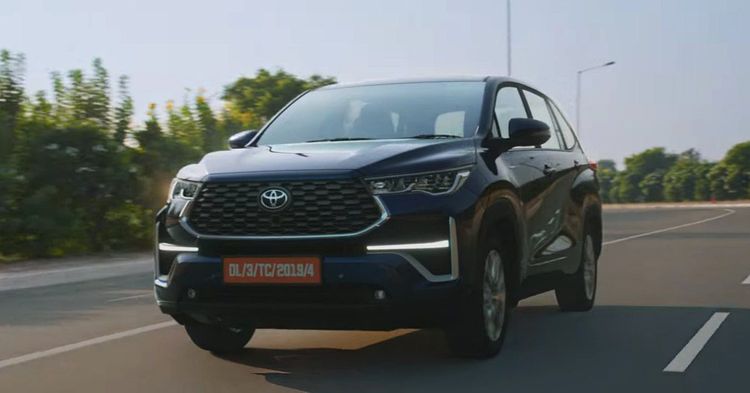
Toyota has no plans to slow down its hybrid dominance. In fact, it is currently preparing to expand its hybrid lineup even further in India. The company is working on a more affordable version of the Toyota Innova Hycross hybrid, which will primarily target fleet buyers.
This version will likely come with fewer features to keep costs in check but will retain the same strong hybrid system. With this new model, the company aims to replace the super popular diesel-powered Innova Crysta in the commercial segment.
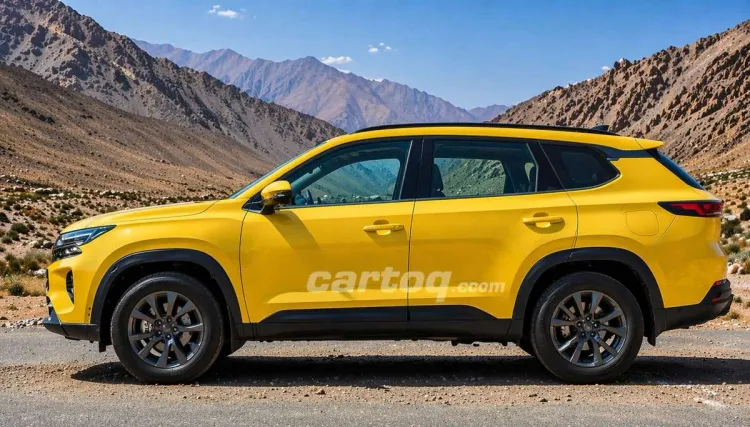
Another important upcoming product is the 7-seater version of the Toyota Urban Cruiser Hyryder. This model has already been spotted testing and is expected to launch around the festive season of 2026. It will come with both mild hybrid and strong hybrid engine options. As for the pricing, it is expected to be priced between Rs 16 lakh and Rs 24 lakh. This SUV will compete with models like the Tata Safari, Mahindra XUV700, and Hyundai Alcazar.
Toyota is also expected to introduce a facelift for the Hyryder with minor design updates and additional features like ADAS. However, mechanically, it will continue with the same hybrid powertrain options.
As we can note, hybrids have become quite popular in the last few years, and in the coming period they will become even more popular. Now, here are the major reasons why hybrids are expected to see massive growth in the coming years. The first reason is the introduction of ethanol-blended fuels like E85 and E100.
The Government of India is strongly pushing ethanol adoption to reduce dependency on crude oil imports. Now, what many people don’t know is that Toyota already has the technology ready for flex-fuel engines which can run on such fuels. And when combined with hybrid systems, it will create a highly efficient and environmentally friendly solution.
The second reason is related to upcoming emission norms. Under the future CAFE 3 regulations, flex-fuel range extender hybrids are expected to receive a higher Vehicle Discounting Factor (VDF), increasing from 2.5 to 3. This will help automakers to treat hybrids almost on par with electric vehicles in terms of emission compliance.
As a result, more manufacturers will be encouraged to introduce hybrid models. And the third reason is government support. Since ethanol production directly benefits farmers and the agricultural sector, hybrids that support flex-fuel are likely to receive policy backing. This will include incentives and other benefits which will make them more attractive to both manufacturers and buyers.
Over the last few years, electric vehicles have gained a lot of popularity in India. However, they still have a lot of challenges, which include charging infrastructure problems and higher upfront costs. Meanwhile, hybrids, on the other hand, do not require any external charging and they provide impressive fuel efficiency. This is especially beneficial in city driving conditions.
They combine the best of both worlds by offering lower running costs and no range anxiety. Additionally, they also offer ease of use similar to regular petrol cars. This makes them an ideal choice for buyers who are not yet ready to switch to fully electric vehicles.
Sales figures source
Comments are closed.