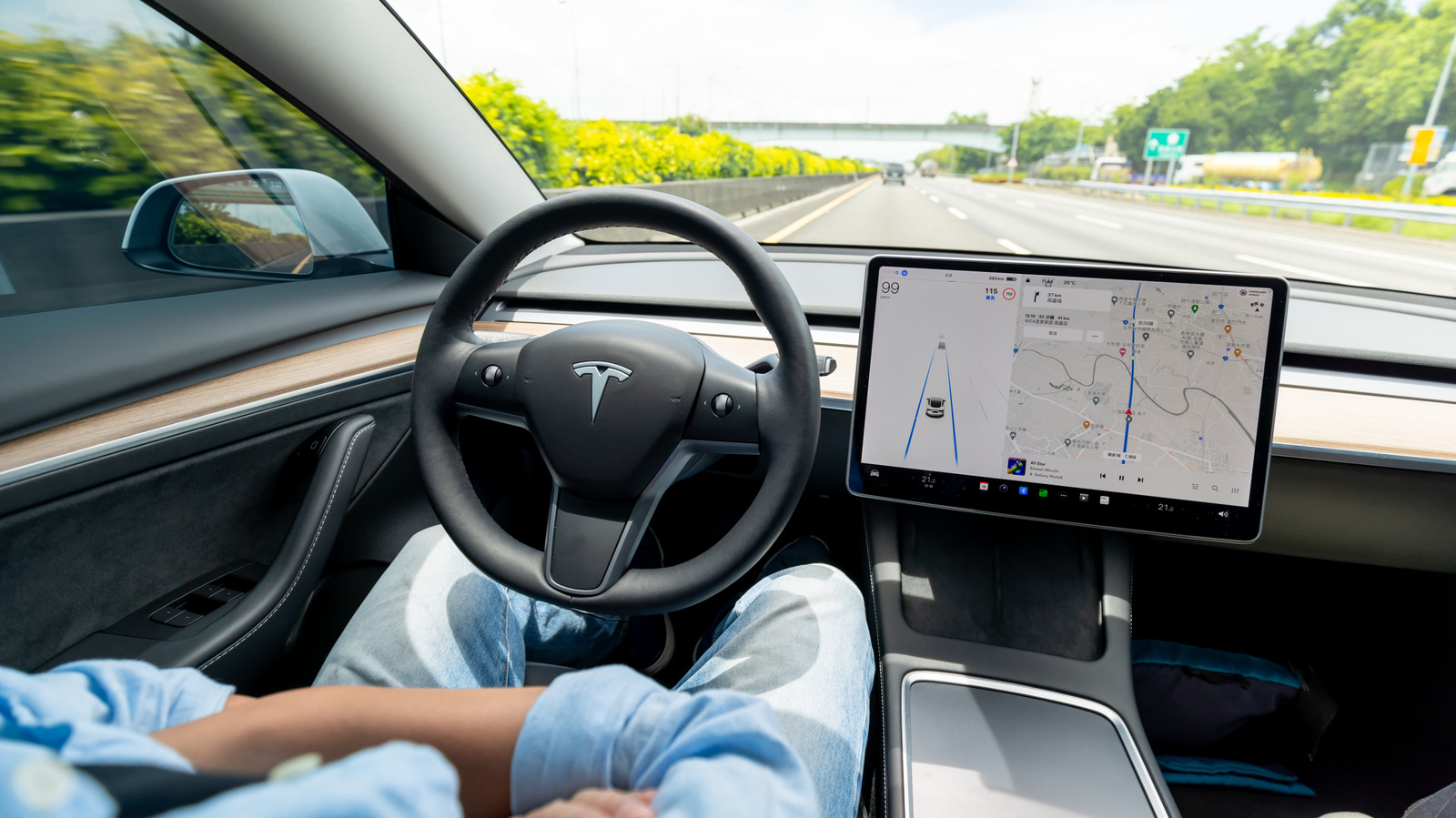
Multiple reports claim that Korean authorities have arrested 80 people for allegedly modifying and “jailbreaking” their Teslas to activate the Full Self-Driving (FSD) mode, which has tight restrictions in the country. Tesla Autopilot is the company’s basic driver-assistance system, while Full Self-Driving is available through a paid subscription. To unlock the feature, the alleged parties used DIY devices or ones they purchased and imported — from places like Europe and China — which were seemingly plugged into or hardwired into the vehicle’s systems.
In Korea, only Teslas made in the United States can legally have the FSD feature active and available, even though some China-made models have newer hardware. The approved U.S.-made vehicles include the Model S, Model X, and Cybertruck. These models are exempt from Korean safety certification because of a free trade agreement that recognizes U.S. federal safety regulations. Meanwhile, Teslas from other countries, like the Model 3 and Model Y, which are made in China, have not been awarded the appropriate safety certifications. As a result, jailbreaking Tesla models that have not been approved is considered a safety hazard.
The suspects, who were charged under Korea’s Motor Vehicle Management Act, not only changed the vehicle’s software but also shared advice online about unlocking the features and discussed ways to hide that it had been activated. If convicted, they face up to two years in prison and a fine of 20 million Korean won, around $15,000 USD. Similar to how it works in the U.S., being arrested in Korea doesn’t mean someone has been convicted of a crime. The suspects are presumed innocent until proven guilty, and Seoul police are working with several agencies to investigate further.
Why is it illegal to jailbreak certain Tesla models in Korea
The specific law the suspects are being charged under, the Motor Vehicle Management Act, bans unauthorized software changes that could affect vehicle safety. Changing, installing, or deleting software are all considered violations, carrying up to two years in prison and fines if convicted. The Korean Ministry of Land, Infrastructure, and Transport coordinated with the Seoul Metropolitan Police Agency to investigate these instances, and all parties state that the software changes or ‘jailbreak’ allows the vehicle to operate under unsafe conditions.
The FSD feature is regulated differently depending on where the vehicle was made, which is why U.S.-made models are approved, and others are not. FSD mode in these vehicles can change lanes on its own, but under the current Korean standards, drivers must keep their hands on the wheel and manually engage turn signals, whereas FSD opens up hands-free use. Granted, FSD isn’t actually autonomous and still requires active supervision when it’s in use. That’s part of the reason why California demanded changes to Tesla’s ‘self-driving’ marketing, because the cars really aren’t autonomous.
As many owners buy their Teslas with the expectation that FSD will be available, there is a sizable portion of the community unhappy with the limited access. The South Korean court recently rejected a suit from Tesla owners about their inability to use the feature. A U.S. appeals court blocked a separate lawsuit from moving forward as a class action.