
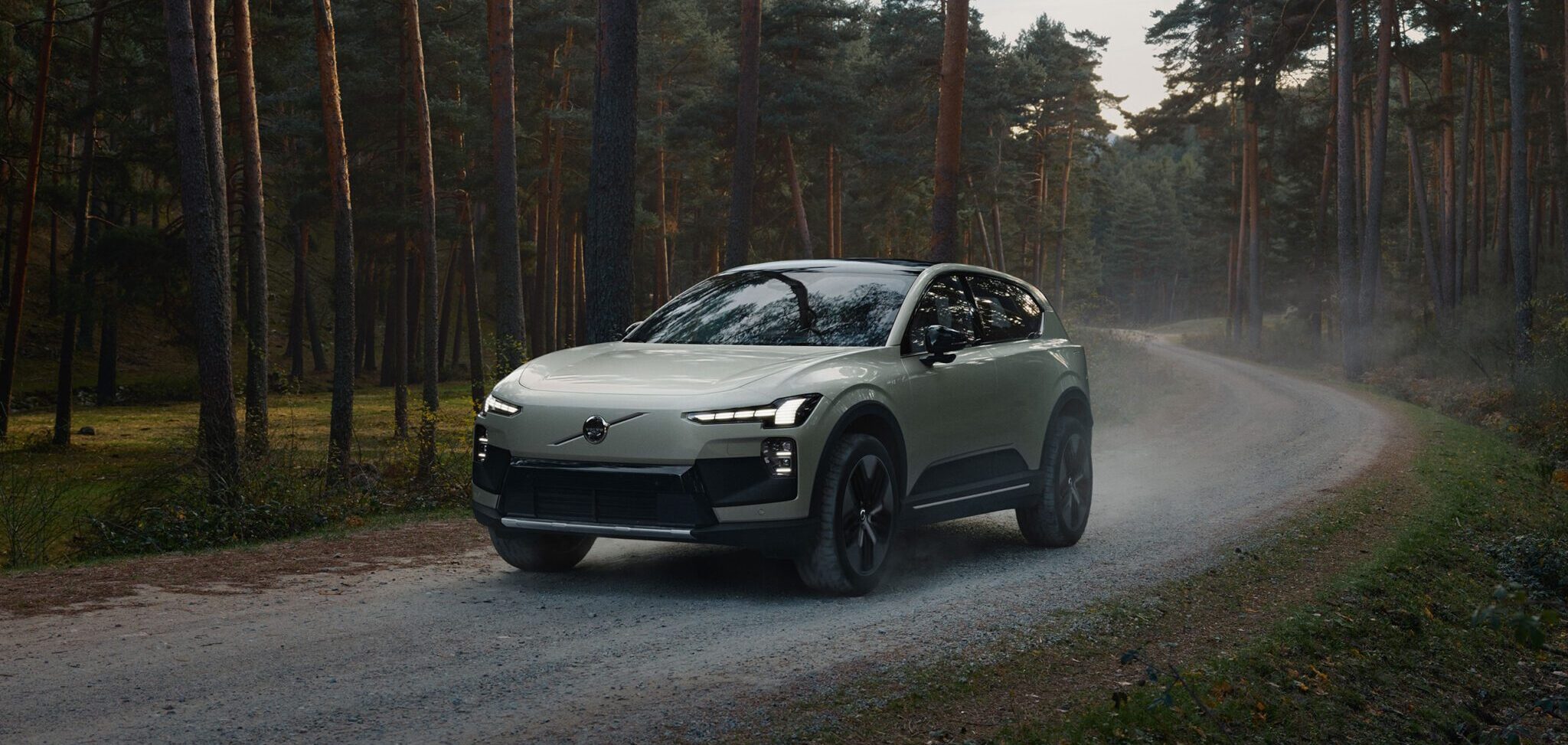

Volvo’s ambitious plan to grow U.S. sales by 60% by 2030 is already facing turbulence. The Swedish automaker reported a steep decline in first-quarter 2026 sales, with every single model in its lineup posting year-over-year losses. The slowdown highlights the challenges of transitioning to an SUV-heavy, electrified portfolio while competing against stronger luxury rivals.
A Tough Start to 2026
Volvo Cars sold 22,651 vehicles in the U.S. during Q1 2026, marking a sharp 32% drop compared to 33,285 units during the same period last year. That’s a significant setback for a brand that’s trying to accelerate growth over the next five years.
The decline wasn’t limited to one segment. Electrified vehicles, a core part of Volvo’s strategy, also lost momentum. Of the total vehicles sold, 5,762 were electrified models, including EVs and plug-in hybrids, while 16,889 were mild hybrids.
Here’s how the electrified lineup performed:
- EV sales dropped 14%
- Plug-in hybrids fell 49%
- Mild hybrids declined 29%
That’s particularly concerning for a company that has built much of its future around electrification.
Aging Models Still Lead the Pack
Despite being one of the oldest vehicles in the lineup, the XC90 remained Volvo’s best-selling model. The large luxury SUV recorded 8,513 sales in Q1, though that still represented a 9% drop year-over-year.
The rest of the lineup saw steeper declines:
- XC60: 8,061 units (-37%)
- XC40: 3,403 units (-47%)
- EX30: 915 units (-23%)
- EX90: 702 units (-30%)
Interestingly, the EX30 Cross Country variant contributed an additional 458 units, but that wasn’t enough to offset the broader slump.
Sedans and Wagons Exit the Stage
One major shift impacting Volvo’s sales is the disappearance of traditional sedans and wagons. The S60, S90, V60 Cross Country, and V90 Cross Country have all been discontinued. Final production of the V60 Cross Country is scheduled to wrap up this month, effectively leaving Volvo without a conventional sedan or wagon in the U.S.
The upcoming ES90 electric sedan is expected to fill that gap. However, expectations remain modest, as sedans currently represent a shrinking segment in the luxury market.
Competition Pulling Ahead
Volvo’s struggles become even more apparent when compared with rivals.
Mercedes-Benz sold 78,500 vehicles in the U.S. during the same quarter, while BMW crossed the 80,000-unit mark. Even Acuraa smaller luxury brand, outsold Volvo with more than 32,000 vehicles.
That gap highlights just how much ground Volvo needs to cover.
Volvo Sees Momentum Ahead
Despite the challenging start, Volvo leadership remains optimistic.
Luis Rezende, President of Volvo Car Americas, acknowledged the difficult quarter but pointed to improving momentum heading into Q2. He emphasized that Volvo’s strategy remains focused on offering a diverse mix of mild hybrids, plug-in hybrids, and fully electric vehicles to meet changing customer needs.
Still, the numbers suggest Volvo faces a steep climb. With an aging SUV lineup, fewer body-style choices, and intensifying competition, the company’s 60% growth target by 2030 now looks significantly harder to achieve.

Comments are closed.