

In a world chasing power from rare earths, a quiet revolution is rising from common salt—promising energy that is both rooted and resilient.
Powering India with Indigenous Innovation
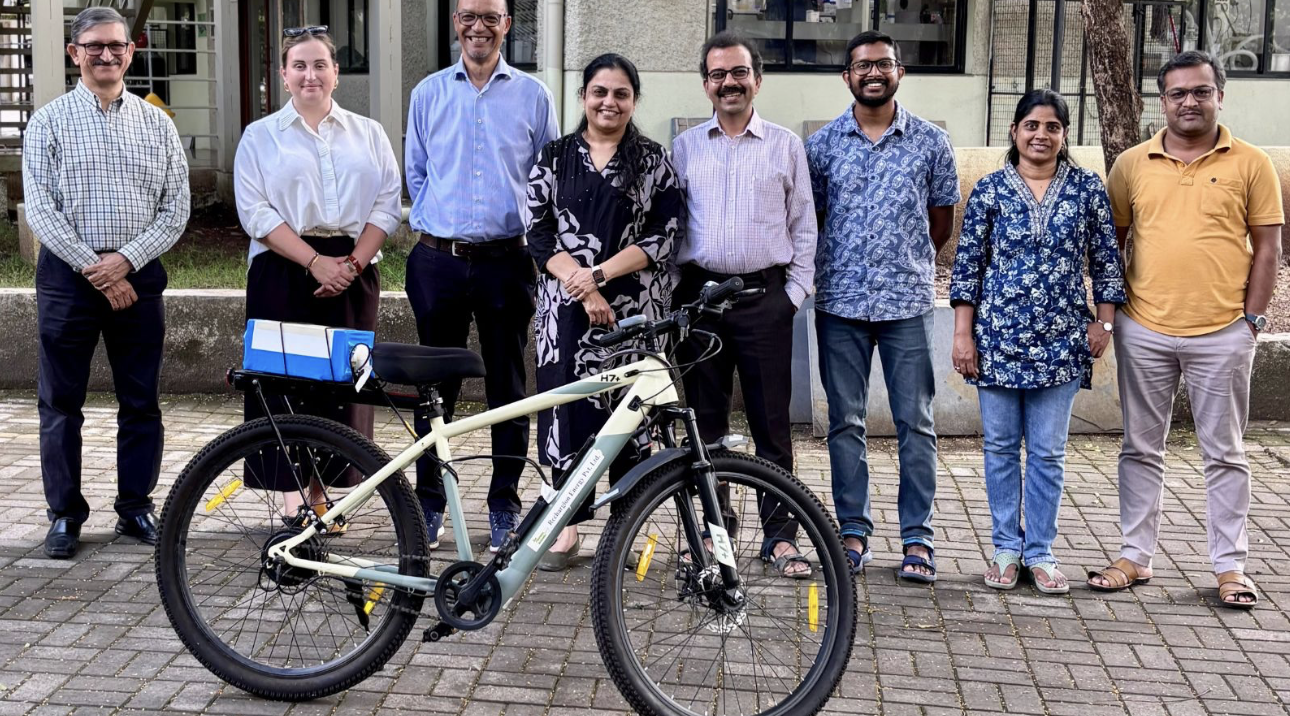
A Pune-based startup, Rechargion Energy, is emerging as a key player in next-generation energy storage with its development of a sodium-ion battery claimed to be “100% safe” and built using locally available raw materials. Founded in 2021 by Dr. Vilas Shelke and Dr. Manjusha Shelke—who is also associated with CSIR-National Chemical Laboratory—the company is working to reduce India’s dependence on imported lithium-ion battery components.
The startup, an official spin-off from NCL, has developed a laboratory-scale prototype of a rechargeable sodium-ion battery using patented hard carbon materials and sodium compounds. Unlike conventional lithium-ion batteries, which rely heavily on imported and expensive materials, sodium-ion batteries leverage abundant and affordable domestic resources. The innovation lies in proprietary electrode materials and the use of a polymer-based anode, enhancing both safety and commercial viability.
This development is particularly significant for India’s electric mobility ambitions, where concerns around cost, import dependency, and battery-related safety risks continue to persist. By offering a safer and more sustainable alternative, Rechargion Energy aims to address these critical challenges while supporting a localized energy ecosystem.
Scaling Up and Shaping a National Shift
To accelerate commercialization, Rechargion Energy has received backing from institutions such as the Union Ministry of Heavy Industries, the Indo-US Science and Technology Forum, and Social Alpha. Additional support from Automotive Research Association of India, Venture Centre, and Rice University is helping refine the technology for market readiness. The company has also signed an MoU with ARAI and expects a minimum viable product with field demonstrations by year-end.
With an estimated cost of ₹11–12 per watt-hour and a lifespan of 12–15 years, the battery is designed to perform reliably across India’s diverse climatic conditions.
This innovation aligns with a broader national push toward sodium-ion technology. Companies like KPIT Technologies, in collaboration with Indian Institute of Science Education and Research Pune, are advancing similar solutions, while commercialization efforts are underway via Trentar Energy Solutions Pvt. Ltd.. Meanwhile, Reliance Industries has strengthened its position through the acquisition of Faradion, aiming to scale production at its Jamnagar gigafactory. Other players like Ola Electric and Indi Energy are also exploring advanced battery technologies.
Together, these efforts signal a strategic shift toward energy independence, cost efficiency, and sustainable innovation in India’s battery ecosystem.
From the simplicity of sodium may emerge the spark that powers a nation—quietly, sustainably, and on its own terms.
Summary
Rechargion Energy, a Pune-based startup, has developed a sodium-ion battery using indigenous materials, offering a safer and cost-effective alternative to lithium-ion technology. Supported by key institutions, it aims for commercialization soon. The initiative aligns with broader efforts by Indian companies like KPIT and Reliance to advance sodium-ion batteries, promoting energy independence, sustainability, and affordable electric mobility solutions.
Image Source

Comments are closed.