
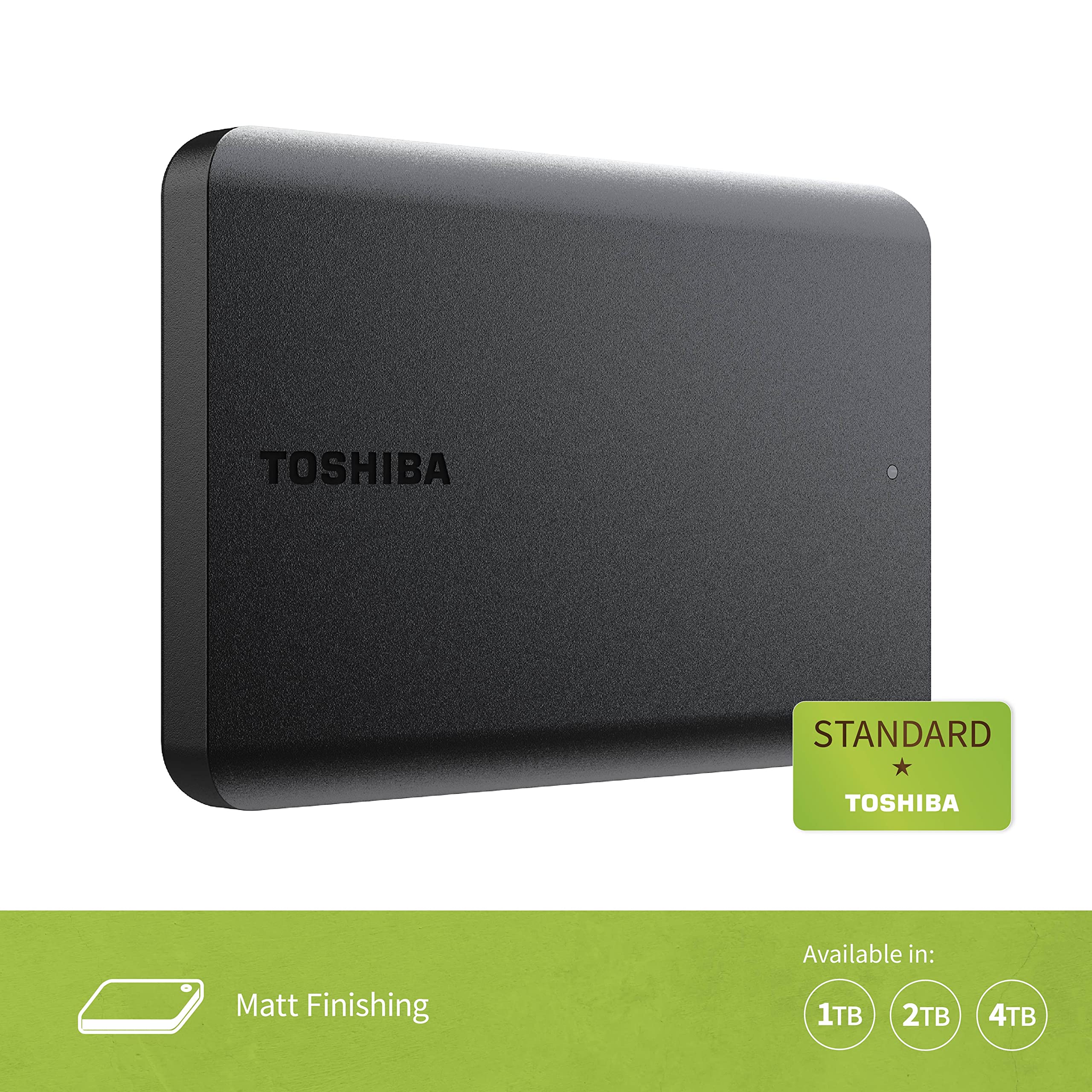

A Reddit post has put a spotlight on how hardware warranties can break down when supply gets tight. The user, posting on r/DataHoarder, described a problem with a high-capacity enterprise hard drive from Toshiba. Their company had bought several 20+ TB drives for a storage array just a few months earlier. When one unit failed, they followed the normal return process and sent it back under warranty.
The response surprised them.
Instead of offering a replacement drive, Toshiba said it could only issue a refund at the original purchase price. The reason: no available stock. The company also noted that a replacement 24TB model might take up to a year to arrive.
That leaves the buyer in a tough spot. Enterprise storage is not a casual purchase. Companies plan these systems with care. They choose parts based on reliability, expected lifespan, and vendor support. A refund does not solve the problem when prices have moved.
And prices have moved.
Why are rising hardware costs breaking warranty promises?
The cost of high-capacity drives has risen as demand for storage grows. Much of that demand comes from AI data centers, which need huge amounts of memory and storage to train and run models. When supply tightens, enterprise buyers feel it first. They often need exact replacements to keep systems stable. Swapping in a different model can bring risk or require extra work.
In this case, the refund likely does not cover the cost of buying a similar drive today. The company must either spend more money or wait for stock to return. Neither option fits well in a production environment.
The Reddit user speculated on the cause. They suggested Toshiba may have sold off spare stock during the current demand surge. Another possibility is a higher-than-expected failure rate. Both scenarios point to the same issue: limited inventory.
This is not an isolated story.
Other users have reported similar problems across the hardware market. One example involves a memory vendor that applied a depreciation fee to a return, even though prices had risen. In another case, a retailer declined a replacement because the new product cost much more than the original.
These cases share a pattern. Warranty terms still follow old pricing, but the market has changed. When a product becomes scarce, replacing it at the same cost becomes harder for the manufacturer.
Why the Refund-First Policy of Toshiba Strains Enterprise Trust in the AI Era?
From a company’s point of view, a refund is simple. It closes the case and avoids taking a loss on a replacement. But from a customer’s point of view, it breaks the promise of a warranty. The buyer expects a working product, not just their money back.
This gap matters more in enterprise settings.
A failed consumer drive is an inconvenience. A failed enterprise drive can affect uptime, data safety, and business operations. Many systems rely on matched hardware. Even small changes can affect performance or compatibility.
That is why buyers pay for enterprise-grade parts. They expect support that matches the price.
The situation also raises a question about warranty design. Should a warranty guarantee a replacement unit, or is a refund enough? In stable markets, the difference may not matter. In volatile markets, it becomes clear.
Some companies already address this by offering advance replacements or equivalent models. Others keep reserve stock for warranty claims. These steps cost money, but they protect trust.
Right now, trust is under pressure.
The hardware market is in a strange phase. AI demand has pushed supply chains to their limits. Memory and storage vendors have more pricing power than before. Lead times have grown. Contracts have changed. Buyers face more uncertainty.
In that context, cases like this may become more common.
Why Supply Chain Stress is Redefining Warranty Value
For businesses, the lesson is simple. Warranty terms matter as much as specs. It is worth checking how a vendor handles shortages, not just failures. A refund policy may look fine on paper, but it can fall short when prices rise.
For vendors, the message is just as clear. Support policies shape reputation. A single failed replacement can influence future buying decisions.
The Reddit post may be one case, but it reflects a wider shift. When supply is tight, even basic promises like a warranty can start to bend.

Comments are closed.