
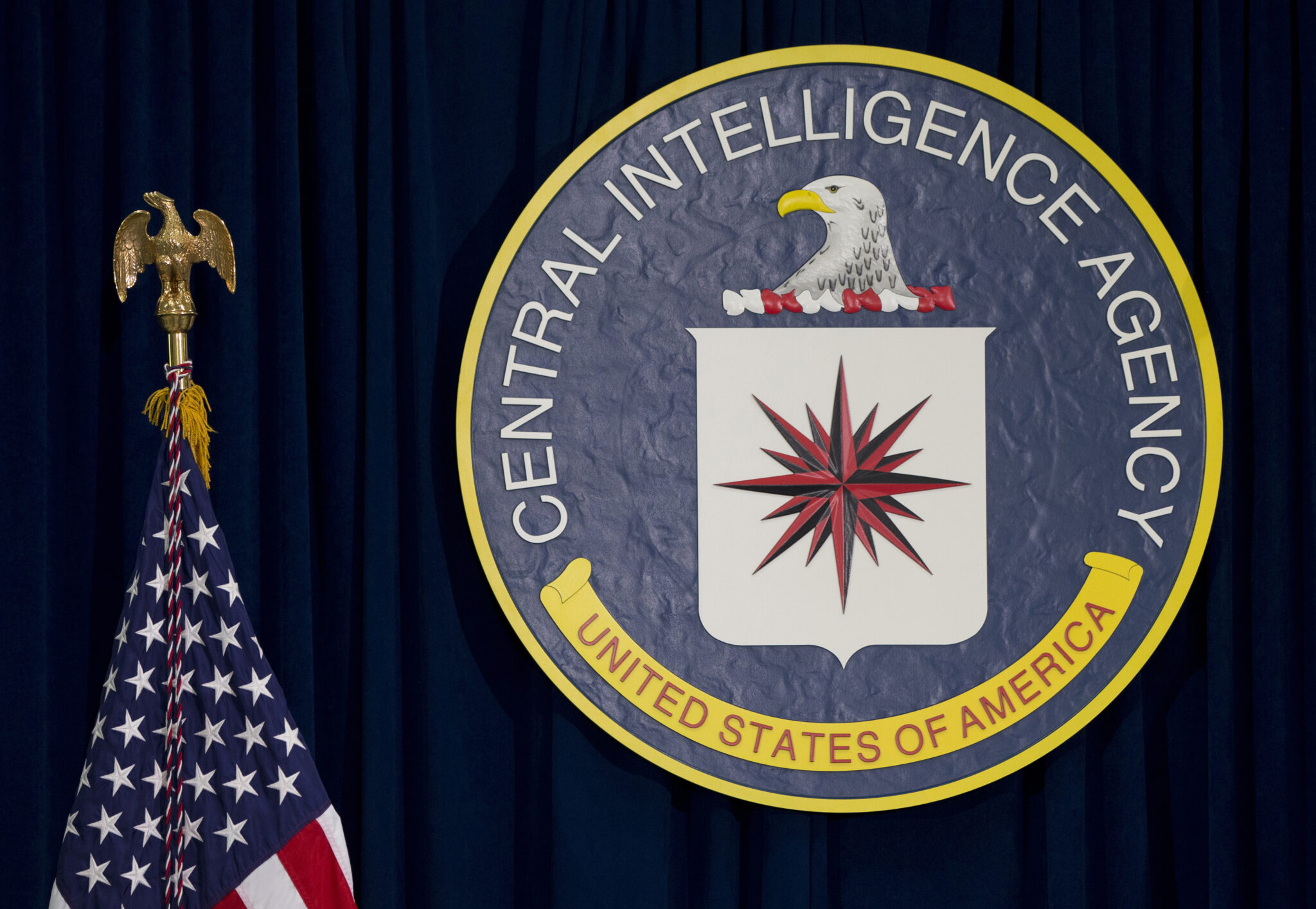

Two CIA Officers Killed in Mexico After Counterdrug Mission/ TezzBuzz/ WASHINGTON/ J. Mansour/ Morning Edition/ Two U.S. officials killed in a vehicle crash in northern Mexico after a counterdrug operation were CIA officers, according to U.S. officials familiar with the matter. The officers had been returning from helping destroy a clandestine drug lab in Chihuahua when the crash also killed two Mexican investigators. The revelation has intensified debate over U.S. intelligence involvement in Mexican anti-cartel operations and President Claudia Sheinbaum’s handling of U.S. security cooperation.
- Two U.S. officials killed in Mexico were confirmed as CIA officers
- Two Mexican investigators also died in the same vehicle crash
- The group had been returning from destroying a clandestine drug lab
- The operation took place in the rugged northern state of Chihuahua
- U.S. Embassy said the Americans were supporting anti-cartel efforts
- President Claudia Sheinbaum said she was unaware of a formal joint operation
- President Donald Trump continues pressuring Mexico to crack down on cartels
- The CIA has recently expanded intelligence cooperation with Mexican authorities

CIA Officers Identified After Deadly Mexico Counterdrug Crash
(AP)- Two U.S. officials killed in a vehicle crash over the weekend in northern Mexico were working for the Central Intelligence Agency, according to a U.S. official and two other people familiar with the matter.
The two Americans were returning from an operation to destroy a clandestine drug laboratory linked to criminal groups in the state of Chihuahua when the crash occurred.
Two Mexican investigators were also killed in the same incident.
Mexican authorities said the group had been coming back from a mission targeting narco-laboratories used by organized crime networks.
The identity of the Americans as CIA officers adds a major new dimension to what initially appeared to be a local anti-drug operation.
It also raises fresh questions about how deeply U.S. intelligence agencies are involved in security operations inside Mexico.
The CIA declined to comment publicly on the deaths or the identities of the officers.
The U.S. Embassy also refused to identify the officials but confirmed they were “supporting Chihuahua state authorities’ efforts to combat cartel operations.”
Contradictions From Officials Spark Political Debate
Confirmation of the CIA’s involvement came after several days of conflicting statements from both U.S. and Mexican officials.
Local Mexican authorities initially suggested the Americans were directly participating in the operation alongside state investigators.
Those statements were later softened or walked back.
President Claudia Sheinbaum said she had no knowledge of a formal joint operation between the U.S. government and Chihuahua state authorities, despite reports that the Mexican military was also involved.
On Tuesday, Sheinbaum again said she did not know whether the Americans were CIA officers.
However, she acknowledged that local officials and the U.S. “were working together.”
The lack of clarity quickly turned the incident into a sensitive political issue.
Questions over sovereignty and foreign security involvement remain highly controversial in Mexico, especially when U.S. intelligence agencies are involved.
Trump Administration Pressures Mexico on Cartels
The crash comes at a time when President Donald Trump’s administration has sharply increased pressure on Mexico to take stronger action against drug cartels.
Trump has repeatedly warned of tougher U.S. responses if Mexico does not do more to stop fentanyl trafficking and cartel violence.
His administration has also linked cartel crackdowns to broader trade and tariff negotiations with Mexico.
That places Sheinbaum in a difficult political position.
She must maintain a working relationship with Washington while also defending Mexico’s sovereignty and resisting the appearance of direct U.S. intervention.
The deaths of CIA officers during a counterdrug mission only increase scrutiny over how much cooperation is happening behind the scenes.
The issue is especially sensitive because many Mexican voters remain wary of U.S. intelligence operations on national soil.
CIA Expands Security Cooperation in Mexico
The CIA has quietly increased its collaboration with Mexican authorities in recent years as part of Washington’s broader anti-cartel strategy.
The goal has been to improve intelligence-sharing, surveillance, and support for local law enforcement targeting drug trafficking organizations.
This cooperation has included expanded monitoring of cartel activity, financial networks, and cross-border trafficking routes.
Last year, Sheinbaum publicly acknowledged that U.S. drone surveillance flights over Mexico were being conducted at her request.
That admission was significant because U.S. surveillance operations in Mexico have often been politically controversial.
While intelligence cooperation is common between both countries, direct operational involvement by U.S. personnel remains far more sensitive.
The deaths of two CIA officers now place that cooperation under much brighter public attention.
Chihuahua Remains a Key Battleground Against Cartels
The operation took place in Chihuahua, one of Mexico’s most strategically important and violent states in the fight against organized crime.
Located along the U.S. border, Chihuahua has long been a major trafficking corridor for fentanyl, methamphetamine, and cocaine.
Cartels use remote areas of the state for clandestine drug production sites and transportation routes into the United States.
Destroying hidden laboratories is a major priority for both Mexican authorities and U.S. anti-drug efforts.
These missions often involve dangerous travel through rugged terrain where criminal groups maintain strong influence.
Officials have not publicly said whether the vehicle crash was caused by difficult road conditions, an accident, or any possible hostile action.
Investigations into the exact cause remain ongoing.
Intelligence Operations Rarely Become Public
The fact that CIA involvement became public at all is unusual.
Most intelligence cooperation between the U.S. and Mexico is kept confidential due to both diplomatic sensitivity and operational security.
Public confirmation typically happens only after major incidents, such as deaths or major enforcement failures.
That is why this crash has drawn significant attention in both Washington and Mexico City.
The case also highlights the increasingly blurred lines between intelligence work, law enforcement support, and counter-cartel operations.
As criminal organizations grow more sophisticated and violent, intelligence agencies are playing a larger role in anti-drug missions once handled mainly by police and military forces.
That shift carries both strategic benefits and major political risks.
Sheinbaum Balances Cooperation and Sovereignty
For President Sheinbaum, the challenge is balancing practical cooperation with the United States against domestic political concerns about independence.
She has tried to present security cooperation as controlled and limited while rejecting any suggestion of U.S. operational control inside Mexico.
The revelation that CIA officers died after a counterdrug mission complicates that message.
Opponents may use it as evidence that foreign agencies have too much influence over Mexican security policy.
At the same time, refusing U.S. cooperation could increase pressure from Trump’s administration on both security and economic fronts.
That makes the political handling of this case almost as important as the investigation itself.
A Crash With Broader Diplomatic Consequences
What began as a deadly vehicle crash has now become a major diplomatic and intelligence story.
The deaths of two CIA officers and two Mexican investigators reveal the growing depth of U.S.-Mexico cooperation against cartels, while also exposing the political tensions that come with it.
As both governments continue responding to cartel violence and cross-border drug trafficking, this incident may shape how future joint operations are discussed—and how much of them remain hidden.
For now, both Washington and Mexico City are managing not only a tragic loss of life, but also the political fallout that follows.
More on US News
Comments are closed.