
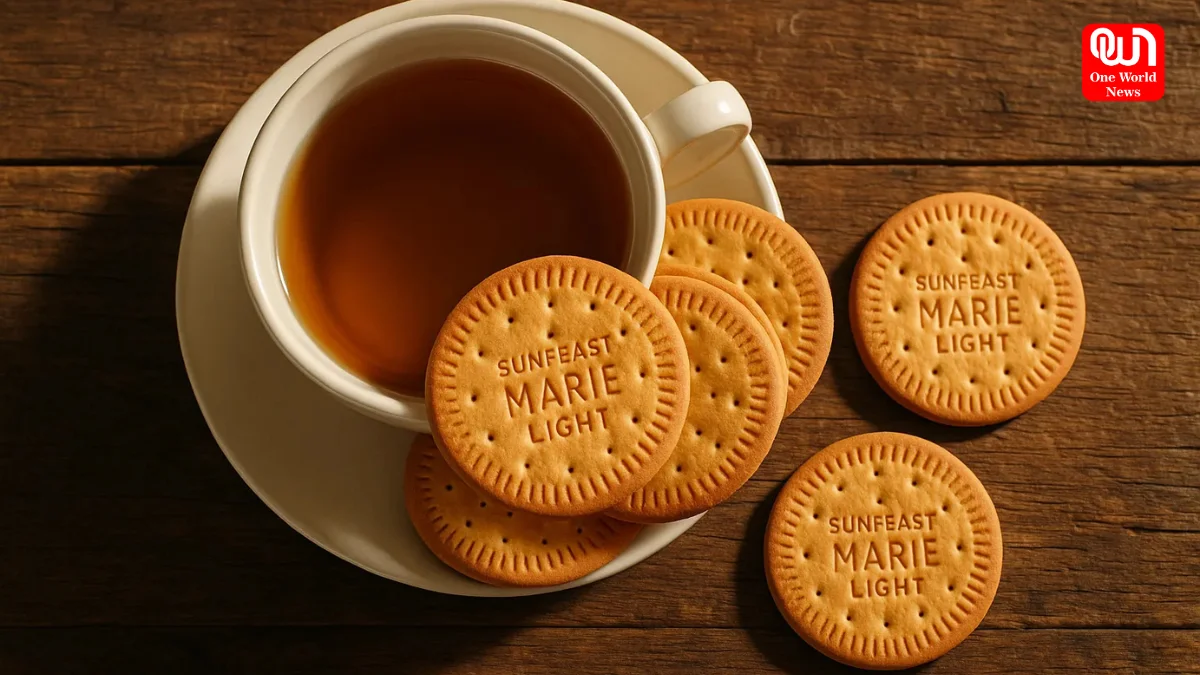

You’re standing in a supermarket aisle, reaching for what feels like a lighter choice. A pack of sugar-free biscuits catches your eye. It sounds like a simple switch, something that fits neatly into a more balanced routine. But a small question lingers in the background. Does sugar-free really mean healthy?
This article takes a closer look at what sugar-free actually means, where these biscuits can support your everyday choices, and where you may want to be a little more mindful.
You’ll also find clarity on questions many people have, from whether biscuits with no sugar suit diabetic diets, to how biscuits with no maida and sugar compare in real-life routines, along with everything you need to know about sugar-free biscuits.
What Makes a Biscuit “Sugar-Free”?
When you see sugar-free biscuits on a label, it doesn’t mean the product is entirely free from all sugars. According to regulatory standards such as FSSAI guidelines, a product can be labelled sugar-free if it contains less than 0.5 g of sugar per 100 g.
To achieve sweetness without traditional sugar, manufacturers use alternatives like maltitol, stevia, or sucralose. Each works a little differently. Maltitol provides a taste closer to sugar and adds some calories, while stevia and sucralose offer sweetness with minimal to no calories.
It’s also helpful to understand the difference between biscuits with no sugar and those labelled as having no added sugar. The latter may still contain naturally occurring sugars from ingredients like milk or grains, even if no refined sugar is added.
Here’s a quick look at how common sweeteners compare in terms of glycaemic impact:
| Sweetener | Approx. Glycaemic Index (GI) |
| Maltitol | ~35 |
| Stevia | ~0 |
| Sucralose | ~0 |
While this lower glycaemic response can be useful, it’s worth keeping one thing in mind.
A biscuit without sugar can still be high in refined flour or saturated fat. That means it may not always align with a balanced daily approach unless you look at the full label.
Are Sugar-Free Biscuits Healthy?
The answer depends on how you use them in your routine.
On the positive side, sugar-free biscuits can help reduce overall sugar intake. This may help maintain more stable energy levels and be helpful for those managing blood sugar. They are also generally considered more tooth-friendly compared to high-sugar alternatives.
For people who are mindful about sugar, biscuits with no sugar can offer a way to enjoy a familiar snack without feeling like you’re overdoing it.
At the same time, there are a few important points to consider. Some sugar substitutes, especially polyols like maltitol, can cause digestive discomfort if consumed in larger quantities. Many sugar-free biscuits also contain similar calorie levels to regular biscuits, so portion awareness still matters.
Here’s a simple comparison to give perspective:
| Type of Biscuit | Calories (per 100 g) | Carbohydrates | Fibre |
| Sugar-Free Marie | ~430 kcal | Moderate | Slightly higher |
| Regular Marie | ~450 kcal | High | Lower |
The overall takeaway is simple. Sugar-free biscuits can be a better choice in certain situations, but they are not a healthy food on their own. They work best as part of a balanced routine.
Can Sugar-Free Biscuits Help With Weight Loss?
It’s easy to assume that sugar-free automatically means fewer calories, but that isn’t always the case. A typical serving of two sugar-free biscuits can still provide around 70 to 90 kcal.
What makes a bigger difference is how satisfying the biscuit is. Options that include whole grains or fibre tend to keep you fuller for longer, which can help you avoid
unnecessary snacking later in the day.
If you’re trying to manage weight, sugar-free biscuits can support your routine when used thoughtfully. Replacing a high-sugar snack with a lighter option can help create a calorie deficit over time. But if portions increase without awareness, progress can slow down.
A few simple habits can make a noticeable difference:
- Check the serving size on the pack before you snack
- Pair biscuits with a protein source like nuts or yoghurt
- Avoid mindless late-night eating
- Keep an eye on your total daily intake, not just sugar
Sugar-Free Biscuit Brands Worth Trying
If you’re exploring options, there are several sugar-free biscuits available across different price ranges and formats.
Sunfeast Farmlite Sugar Free Cookies
Among everyday options, Sunfeast Farmlite biscuits are often considered by those looking to make more mindful snack choices. With variants that include oats, whole grains, and fibre-rich ingredients, they aim to strike a balance between taste and better-for-you formulations. Some options also focus on reduced sugar or no added sugar,
TasteGood Karela Biscuits
Often positioned for diabetic-friendly diets, these use alternative sweeteners and may include fibre-rich ingredients. Typically mid-range and available online or in speciality stores.
Gullon Sugar-Free Marie
A widely available imported option using maltitol as a sweetener. Light and familiar in texture, usually in the mid-range category and found in supermarkets and online platforms.
Unibic Sugar-Free Oats Biscuits
These combine oats with sugar substitutes, offering a slightly higher fibre profile. Easily available in retail chains and online, generally mid-range in pricing.
Café Niloufer 100% Atta Biscuits No Added Sugar
Made with whole wheat flour and no added sugar, these are often preferred by those looking for more traditional flavours. Usually found in select stores or online, in the premium range.
Always check the nutrition label before buying, as formulations can change over time.
Zero Maida Options
For those specifically looking for biscuits with no maida and sugarwhole-grain and millet-based alternatives are worth considering. Variants made from jowar, ragi, or 100 per cent atta offer a different texture that feels slightly denser and more wholesome.
These options often have a nuttier taste and may feel more filling. They also tend to have a shorter shelf life compared to refined flour biscuits and are usually priced slightly higher.
Popular Diabetic-Friendly Picks
Several widely available options are often chosen by people managing blood sugar levels. The Sunfeast Farmlite and McVitie’s sugar-free variants are commonly found in supermarkets.
Portion control remains important. Many healthcare professionals suggest keeping servings to around two to three biscuits at a time and observing how your body responds.
Tips for Choosing Biscuits Without Maida and Sugar
Reading labels can make a big difference when selecting the right option. A few simple checks can help you make more informed choices:
- Look at the ingredient list first. Whole grains like oats or whole wheat should appear before refined flour
- Check the “of which sugars” value in the nutrition table and aim for lower numbers per serving
- Choose options with less than 2 g of saturated fat per serving
- Be mindful of polyols like sorbitol if you have sensitive digestion
- Look for trusted certifications such as FSSAI approval or whole-grain labels
These small steps help you move beyond marketing claims and focus on what actually matters.
Read more: Grade 2 Fatty Liver: Causes, Symptoms, Diagnosis, and Treatment
No Sugar, No Worries
Sugar-free biscuits are defined by very low sugar content, not the complete absence of all sugars. They can support better choices, but still require mindful consumption.
So basically, your weight management depends on overall calorie balance, not just sugar reduction. There are several options available, including biscuits with no sugar and those made as biscuits with no maida and sugar
For personalised dietary advice, especially if you’re managing conditions like diabetes, it’s always best to consult a qualified healthcare professional.
Frequently Asked Questions
What is the glycaemic impact of sugar-free biscuits compared to regular biscuits?
They generally have a lower glycaemic impact due to alternative sweeteners, but the overall effect depends on ingredients and portion size.
How many sugar-free biscuits can I safely eat daily?
In most cases, 2 to 3 biscuits per serving is considered moderate, depending on your overall diet.
Are sugar-free biscuits suitable for children, or only adults?
They can be consumed by children occasionally, but regular intake should be balanced with whole foods.
Which sugar-free biscuit option travels best without refrigeration?
Dry, packaged varieties like Marie-style biscuits are usually the most convenient for travel.
What’s the difference between “diet biscuits” and sugar-free biscuits on labels?
Diet biscuits may focus on overall calorie or fat reduction, while sugar-free biscuits specifically target low sugar content.
Comments are closed.