
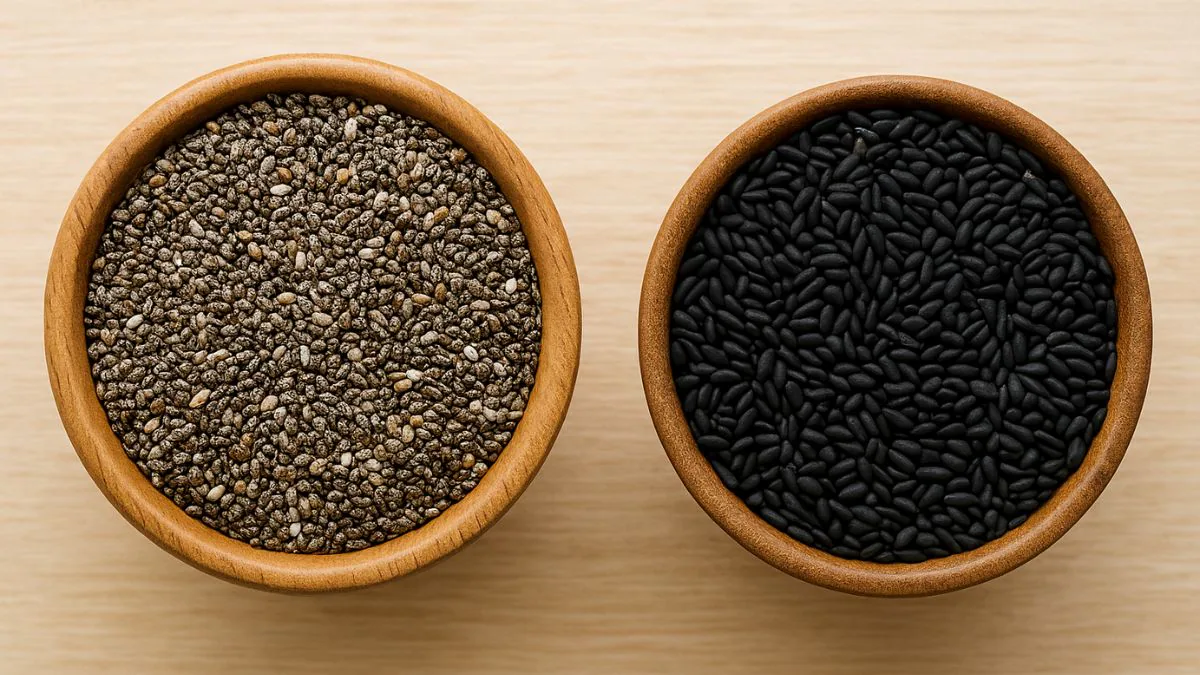

When temperatures rise, what you eat and drink can make a noticeable difference to how your body feels. Ingredients like sabja seeds (also known as basil seeds) and chia seeds are often added to summer drinks for their cooling and hydrating properties. They may look similar once soaked, but their effects on the body, especially in hot weather, can be quite different. If you are trying to stay cool, reduce heat-related discomfort or simply make your summer diet more refreshing, it helps to understand how these two ingredients actually work, and which one is better suited for Indian summers. Let’s find out:
Also Read: 5 Simple Ayurvedic Breakfast Ideas For Managing Blood Sugar In Summer
What Are Sabja Seeds And Chia Seeds?
Sabja seeds come from sweet basil and have been traditionally used in drinks like falooda and sherbets for their cooling effect. They swell quickly when soaked and develop a soft, gel-like coating.
Chia seeds, on the other hand, come from the Salvia plant and are widely used in smoothies, puddings and health drinks. They also absorb water and form a gel, but take longer to soak.
Which One Cools The Body Better?
Sabja seeds are traditionally used for cooling, and scientific literature supports their role in reducing heat‑related discomfort.
As per a review published in the journal plantsbasil (Ocimum basilicum) has been used for centuries in traditional medicine to manage fever, digestive irritation, and heat‑induced discomfort, due to its bioactive compounds and soothing properties. This traditional use explains why sabja seeds are commonly added to summer drinks to calm the stomach and reduce internal heat.
Chia seeds, on the other hand, are not traditionally linked with cooling. Their benefits are more metabolic and nutritional.
According to a review in Food Science & Nutritionchia seeds are valued mainly for their fiber, antioxidants, and omega‑3 fatty acids, with their effects focused on blood sugar control, digestion, and heart health rather than immediate cooling.
Hydration and digestion
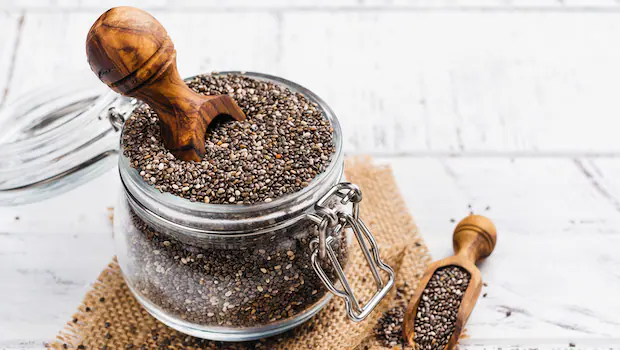
Both seeds absorb water and support hydration, but sabja seeds tend to feel lighter on the stomach. They can help reduce acidity and bloating, which are common in summer. As per nutritionist Shalini Sudhakar, sabja seeds trap 15 times more water and are highly cooling to the body.
Chia seeds are higher in fibre, which is great for digestion overall, but in hot weather – especially if not soaked properly – they may feel slightly heavy for some people.
Nutritional Value: Which One Wins?
Chia seeds are nutritionally dense. According to a comparative study in the International Journal of Food Propertieschia seeds contain higher protein, iron, magnesium, and phosphorus levels compared to basil seeds, making them better for sustained energy and satiety.
Sabja seeds, while lower in protein, were found in the same study to be rich in dietary fibre, antioxidants, and essential minerals, supporting their role as a functional rather than nutrient‑dense food.
Also Read: Curd Or Chaas, Which Is Easier On The Gut During Summer? Nutritionist Explains
Best Ways To Use Them In Summer
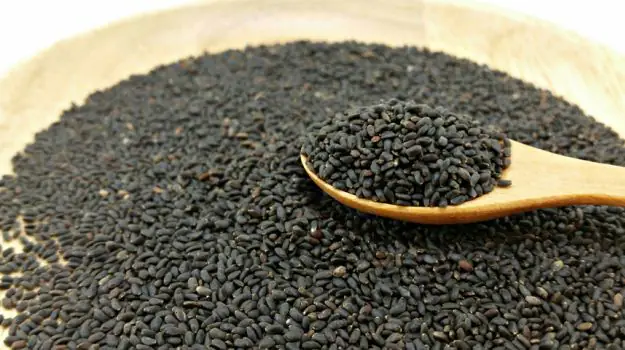
Sabja seeds work best in light, refreshing drinks like nimbu pani, rose sherbet or coconut water. They soak quickly (in about 10–15 minutes) and are easy to add to beverages.
Chia seeds are better suited for smoothies, overnight drinks or breakfast bowls where you want a thicker texture and longer-lasting fullness.
Chia Seeds vs Sabja Seeds: Which One Should You Choose?
If your primary goal is to cool the body and beat the heat, sabja seeds are the better choice. They are lighter, quicker to prepare and traditionally used for managing body heat.
If you are looking for nutrition, fiber and satiety, chia seeds have the edge.
Both sabja and chia seeds have their place in a summer diet. The choice depends on what you need – quick cooling and digestive comfort, or sustained energy and nutrition. Ideally, you can include both in different ways rather than treating them as strict alternatives.

Comments are closed.