

From shopping to storage, here’s what you need to know.
Reviewed by Dietitian Casey Wing, RD, CD
Key Points
- Select ground beef with sealed packaging, cold temperature and firm texture to ensure freshness.
- Store ground beef at 40°F or below, use within 3-4 days and freeze leftovers for up to 4 months.
- Cook ground beef to 160°F, avoid cross-contamination and reheat leftovers to 165°F to kill bacteria.
Ground beef is popular, highly versatile and typically less expensive than other cuts of meat, so it’s not surprising that it made up half of all beef sales by volume in 2024. But because all meats can contain pathogens that can cause severe illness, including bacteria like Salmonella and E. coli—microorganisms that Vanessa Coffman, Ph.D.director of the Alliance to Stop Foodborne Illness, says you can’t see, smell or taste—it’s important to know how to select, store, handle and cook ground beef correctly to minimize risk of infection. Ahead, learn expert-backed tips that can help you avoid food poisoning from this popular protein.
What to Look For When Buying Fresh Ground Beef
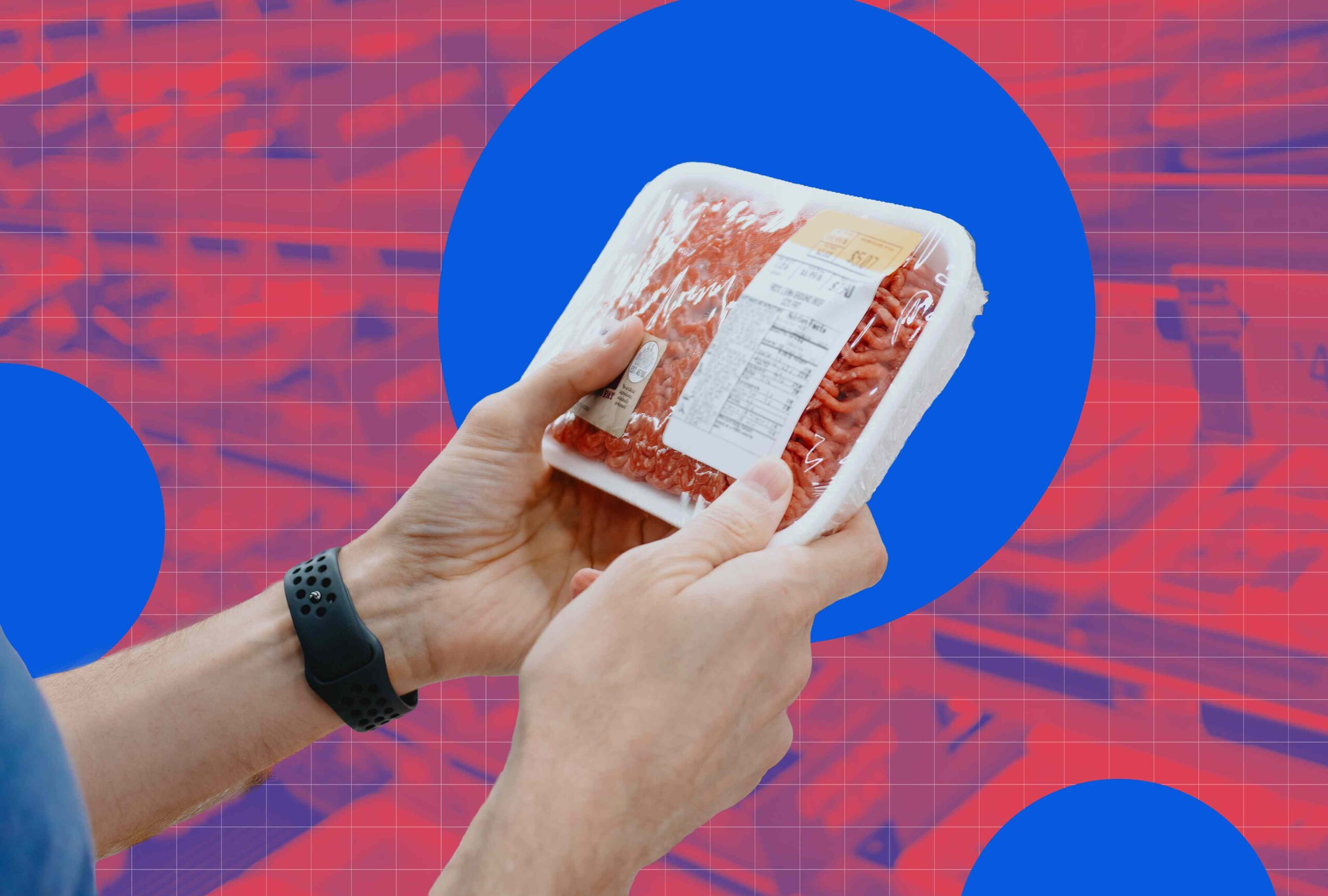
Avoiding foodborne illness starts at the supermarket. While it’s not always easy to spot the difference between a package of ground beef that might make you sick and one that’s safe to consume, these tips and indicators of safety and quality can help reduce your risk:
- Tightly sealed packaging: Ground beef should always be tightly wrapped and have no tears or leaks, which can expose meat to germs and oxygen that can accelerate spoilage.
- A cold temperature: The packaging and meat should feel cold to the touch. A warm temperature can signal improper storage—another cause of spoilage.
- A bright red color: A bright red color generally indicates freshness, though it’s not uncommon for ground beef to turn gray or brown when it lacks oxygen. Still, Coffman says that color alone is not a reliable sign that it’s unsafe to eat. She recommends avoiding it if the off-color is accompanied by a slimy texture or foul odor—the latter being more difficult to determine until you open the package.
- A firm texture: Fresh ground beef should feel firm, instead of mushy. Gently press down on the package to check for texture.
- Sell-by and use-by dates: Always pay attention to the dates on the labels. Sell-by dates help retailers identify when to pull a product from the shelves or reduce its price for quick sale, but an expired date doesn’t necessarily mean it’s spoiled. Use-by dates are estimates of when a product will start to lose its freshness.
Once you’ve gone through this checklist to select your ground beef, adding it to your cart last can further help reduce your risk of infection. Ground beef needs to be maintained at a cold temperature to reduce spoilage, so you should ideally add it to your cart toward the end of your shopping trip.
How to Store Ground Beef
Perishables like raw ground beef should be put into the refrigerator or freezer as soon as you get home. According to USDA guidelines, refrigerator temperatures should be 40°F or below, and freezer temperatures 0°F or below.
Coffman says some beef products can safely be refrigerated for up to five days, but that ground beef storage limits are lower—closer to three to four days. And she says where you store it is equally as important as the temperature and length. “Like any raw meat or poultry product, we recommend you store ground beef on the lowest shelf of your refrigerator to prevent any juices from dripping onto and contaminating other foods.”
When thawing ground beef, don’t leave it on the counter; instead, place it in the refrigerator overnight to thaw slowly. For faster thawing, you can place it in a leakproof plastic bag and submerge it in cold water, taking care to cook it immediately afterward.
Leftover cooked ground beef should be refrigerated quickly after cooking and eaten within one to two days. Leftovers should be reheated to an internal temperature of 165°F before consuming, and any leftovers that have been left out at room temperature for more than one to two hours should be discarded, according to the USDA.
Best Practices for Handling Ground Beef
Exposure to pathogens in ground beef that can cause food poisoning isn’t only caused by digestion—these bacteria can also be spread by improper handling. To help avoid this, Coffman says to reduce cross-contamination by using separate utensils for raw and cooked meat and cleaning surfaces thoroughly, since the raw juices can spread illness-causing bacteria. “If you’re shaping foods like meatballs, disposable food-grade gloves can help limit direct contact. And always wash your hands with soap for at least 20 seconds after handling ground beef [even with gloves] to prevent spreading harmful bacteria … to surfaces and other foods,” she adds.
Why It’s Important to Cook Ground Beef Thoroughly
“Ground beef should be cooked to an internal temperature of at least 160°F as measured by a meat thermometer in the thickest part of the beef. This is critical because bacteria like E. coli can be mixed throughout the meat, and reaching this temperature ensures those harmful pathogens are killed, helping prevent foodborne illness,” explains Coffman. The USDA guidelines state to measure the temperature before removing the meat from the source of heat, and to allow the meat to “rest for at least 3 minutes before carving or consuming.”
Making Your Ground Beef Last Longer
Whether you bought a pound of ground beef and didn’t get a chance to use it for the planned meal or purchased a bulk amount on sale, it’s important to store it following expert and USDA recommendations to help prevent not only foodborne illness, but also spoilage and waste. You can also:
- Seal it tightly: Add another layer of plastic wrap (or aluminum foil) to the store packaging or carefully transfer it to airtight food storage bags. This can help prevent leaks or overexposure to oxygen that can cause it to turn brown or gray more quickly and potentially spoil more rapidly.
- Cook and store the leftovers: If the use-by date is quickly approaching, consider cooking the ground beef thoroughly and then storing the leftovers in the freezer to enjoy later. Leftovers can last in the freezer for up to four months.
Our Expert Take
Reducing your risk of food poisoning from ground beef can be as easy as following a few basic steps backed by the USDA and a food safety expert. Tips include buying the freshest raw ground beef possible by paying attention to things like the packaging and color, being careful when handling and storing it to avoid cross-contamination, and cooking it thoroughly to kill harmful bacteria.

Comments are closed.