
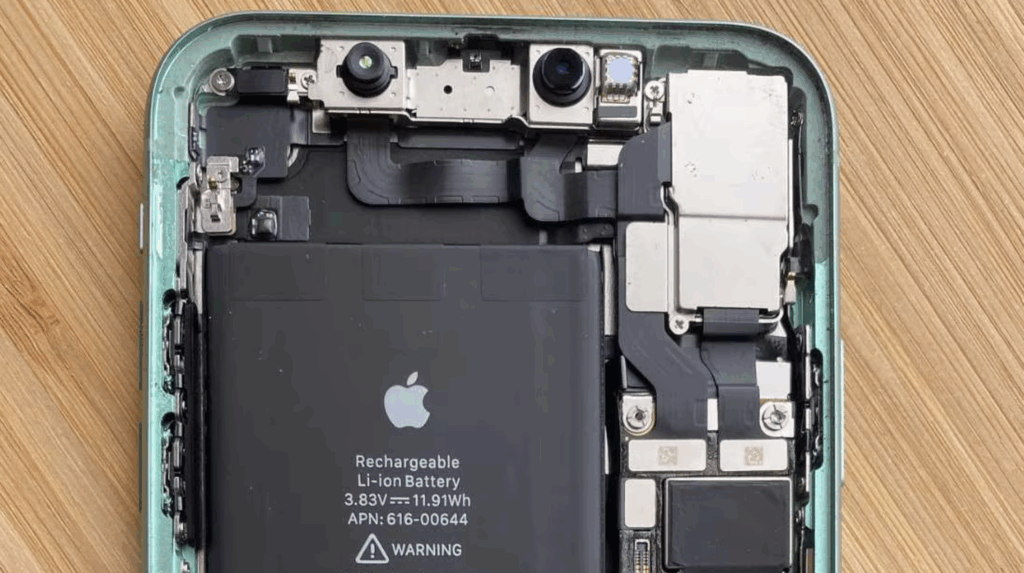

The European Union has introduced a phased set of rules, rolling out between mid-2025 and early 2027, that focus on making smartphones more durable and easier to repair over time.
Regulations already active from June 2025 require devices sold in the EU to meet stricter durability standards and ensure long-term usability.
In addition, companies must provide spare parts for several years and cannot restrict independent repair services, making repairs more accessible.
EU Rolls Out Strict New Rules to Boost Smartphone Durability and Repairability
Moving ahead, a major shift arrives in February 2027, when smartphones must allow users to replace batteries themselves using basic tools at home.
This change directly addresses a common issue, since many users upgrade not because phones break, but because batteries lose performance over time.
As a result, the broader aim is to extend the lifespan of devices and reduce unnecessary replacements.
The rules also set clear technical benchmarks, including batteries that maintain at least 80% capacity after 800 charge cycles.
At the same time, manufacturers must keep spare parts available for up to 10 years after a device launches.
Furthermore, essential components should be delivered within roughly 5 to 10 working days to avoid long repair delays.
Repair manuals must be publicly accessible, and brands cannot block third-party repair providers.
Devices themselves must also be designed for easier opening and servicing, rather than sealed constructions.
On the consumer side, phones will include labels showing battery life, efficiency, durability, and a repairability score to guide buying decisions.
Smartphone Brands Rethink Design as Repairability Becomes a Key Selling Point
For manufacturers like Apple, Samsung, OnePlus, and Xiaomi, this means rethinking design approaches, possibly shifting toward more modular builds.
In some cases, brands may even market repairability and longevity as key selling points rather than just regulatory requirements.
From a user perspective, the benefits are clear, as replacing a battery after a few years could extend a phone’s life to five or six years.
This could also reduce long-term costs by encouraging repairs instead of full device replacements.
However, there are trade-offs, including slightly thicker devices or compromises in features like water resistance.
Certain product categories may also receive exemptions where safety or durability concerns arise.
Even though the policy applies to Europe, its impact is likely global because companies rarely create separate designs for different regions.
For example, when the EU pushed for USB-C adoption, Apple implemented it worldwide with the iPhone 15, showing how such rules can reshape the entire industry.
Image Source
Comments are closed.