
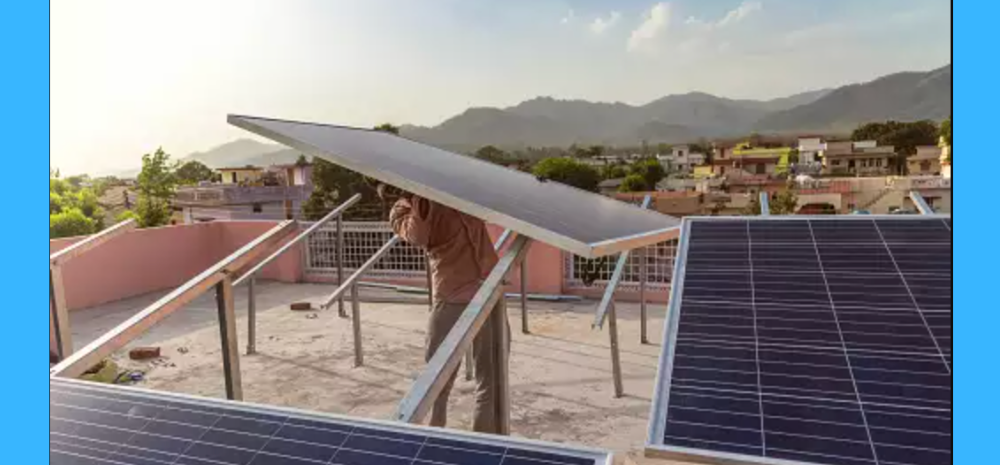

Maharashtra’s rooftop solar ecosystem could be heading for a major reset. A combination of new electricity duty proposals, grid support charges, and tariff changes is being considered—raising concerns that solar may become significantly less attractive financially.
What Is the “Triple Hit”?
The term refers to three simultaneous policy shifts that could impact solar consumers:
1) Electricity Duty on Solar Power
The state is evaluating whether to levy electricity duty on self-generated rooftop solar powerwhich was earlier exempt.
- Proposed duty impact: ~16% for residential users, up to 21% for commercial users
- This would fundamentally change solar from a cost-saving tool to a taxable energy source
2) Grid Support Charges (GSC)
The Maharashtra Electricity Regulatory Commission (MERC) has already approved grid support charges on solar users.
- Around ₹1.96/unit initiallyrising in future years
- Charged to maintain grid infrastructure used by solar consumers
Critics argue this effectively means paying extra even for using your own generated electricityreducing the incentive to adopt solar.
3) Tariff & Policy Adjustments
Additional changes are tightening the economics of rooftop solar:
- Lower compensation for surplus solar power (~₹2.82/unit)
- Restrictions on energy banking (how long you can store and use solar credits)
- Rising fixed charges on electricity connections
Together, these changes reduce overall savings from solar installations.
Why This Is a Big Deal
For years, rooftop solar has been promoted as a way to cut electricity bills and support clean energy. But these changes could:
- Increase payback period for solar systems
- Reduce ROI for households and businesses
- Slow down adoption of renewable energy
Industry groups have already warned that such policies could discourage investments and hurt clean energy goals.
The Bigger Debate: Grid Stability vs Consumer Incentives
From the government’s perspective, these changes aim to:
- Recover costs of maintaining the electricity grid
- Balance the financial health of distribution companies
- Ensure fairness between solar and non-solar users
However, critics say this approach risks penalizing early adopters of green energy.
What Happens Next?
A government-appointed committee is currently reviewing these proposals, and final decisions are expected soon. The outcome could reshape Maharashtra’s solar landscape—especially for residential users and small businesses.
Final Take
This isn’t just a policy tweak—it’s a structural shift in how solar power is treated.
If implemented fully, Maharashtra could move from being a solar-friendly state to a more regulated—and potentially less rewarding—market for rooftop solar.
Comments are closed.