
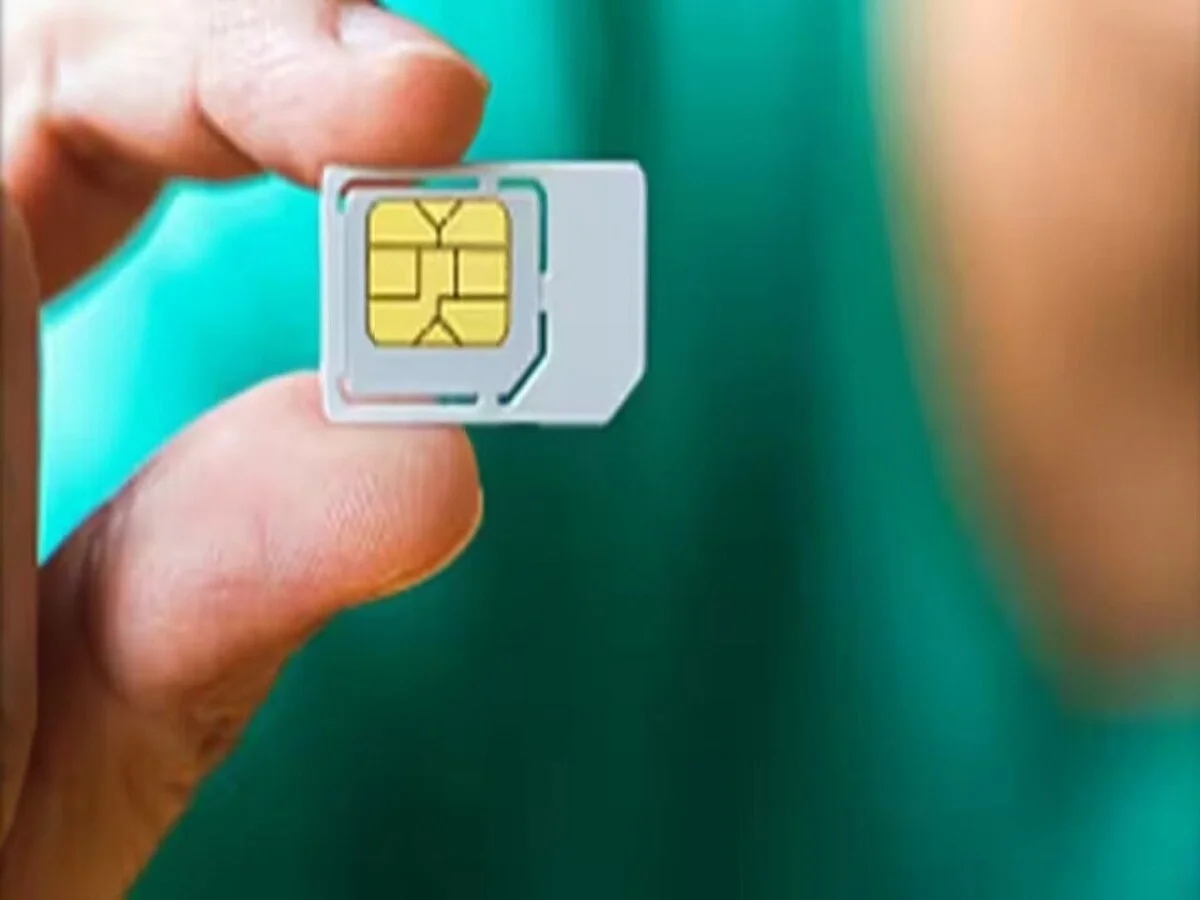
Sim Card Update- Is the SIM purchased from your ID card being misused? Know this game of scam.

Friends, in today’s modern era, the more convenient things have become, the more frauds have also increased, complex cases are seen every day, a recent incident shows how dangerous these scams can be. A 61-year-old resident lost over ₹2 crore in the so-called “digital arrest scam”, which is a matter of concern,
How did the digital arrest scam start?
According to the report, which cites a complaint lodged at the city’s cyber police station:
The victim received a call from an unknown number on March 31.
The caller introduced himself as an official of the “National Data Protection Centre”.
He alleged that a SIM card was issued in Mumbai by misusing the victim’s ID.
It was said that he was linked to crimes like SIM card threatening, spreading obscene material and drug trafficking.
This entire story was fabricated to create fear and panic.
How Scammers Build Pressure and Trust
Claimed that 30–50 FIRs were registered against the victim in a police station in Mumbai.
Threatened with interference from these agencies:
National Investigation Agency (NIA)
Enforcement Directorate (ED)
Stay in constant touch through WhatsApp calls to keep the pressure on.
Many fake officers were brought forward, including one person posing as a senior police officer.
Asked for personal information on the pretext of “verification”.
This tactic is called a digital arrest scam, in which victims are made to believe they are under investigation and must cooperate to avoid arrest.
How ₹2 crores were cheated
The victim was accused of serious crimes such as terrorism.
He was told that if he did not comply, he would be immediately arrested.
Between April 7 and April 18, he transferred the money several times.
Total amount lost: ₹2,07,04,600 through RTGS.
This long period of time shows how scammers can psychologically trap victims not just in a few minutes, but for days.
How to protect yourself from such scams
Never trust unknown callers claiming to be government officials.
Don’t share your personal or financial information with anyone over the phone or WhatsApp. No agency conducts verification through call or video chat.
Do not transfer money under any pressure or threat.
If you receive such a call, immediately disconnect the call and confirm with yourself.
Report cyber fraud immediately on helpline number 1930.

Comments are closed.