
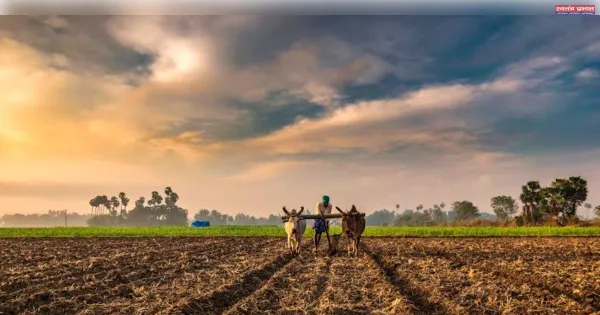

Today, Indian agriculture is in a phase where change has become necessary. The weather is no longer the same as before. Sometimes it does not rain on time, sometimes it rains more than required. The temperature is also continuously increasing. All this is having a direct impact on agriculture and the earnings of farmers.
Not only the weather, some of our farming habits are also adding to the problem. Like using excessive water, over-dependence on chemical fertilizers and burning stubble. Due to this the soil is becoming weak and the environment is also being adversely affected. Gradually this may also reduce the crop yield.
A large population in India is dependent on agriculture. But this area is most affected by weather changes. If the monsoon weakens or the heat suddenly increases, its impact is not limited to just the fields—farmers’ income, market prices and the entire economy are affected.
In such a situation, it has now become necessary to adopt “climate friendly farming”. This means judicious use of water, choosing crops according to the season, maintaining soil health and avoiding stubble burning. These small steps can make a big difference in the long run.
The good thing is that work has started in this direction. Many institutions are teaching new techniques to farmers. The government is also helping through many schemes.
For example, under the Pradhan Mantri Krishi Sinchai Yojana, emphasis is being laid on saving water. Soil health card lets farmers know what type of fertilizer to apply in the field and in what quantity. Organic farming is being promoted through the traditional agricultural development scheme.
Additionally, the National Sustainable Agriculture Mission works to mitigate the effects of weather, and the crop insurance scheme provides financial support to farmers in difficult times.
The direction is right, but the work needs to move forward faster. Because the climate is changing rapidly, we will have to take action equally quickly.
The matter is simple – the decisions we take today will decide the farming of tomorrow. If the right steps are taken now, we can empower farmers, maintain food security and improve the village economy. Now is the time to support the farmers, save the environment and move in the right direction.
Dr. Nawaz Ahmed Khan
professor
Acharya Narendra Dev University of Agriculture and Technology
Comments are closed.