

House Passes DHS Funding Bill Excluding ICE, Ending Record Shutdown/ TezzBuzz/ WASHINGTON/ J. Mansour/ Morning Edition/ The House approved a bipartisan bill to fund much of the Department of Homeland Security, ending a record-long shutdown. The measure excludes immigration enforcement funding, highlighting ongoing political divisions. The bill now heads to President Donald Trump for final approval.
DHS Funding Bill Quick Looks
- House passed bipartisan DHS funding bill by voice vote
- Ends longest shutdown in agency history (over 70 days)
- Funding excludes immigration enforcement operations
- Bill already approved by Senate before House action
- TSA and key services at risk due to funding shortages
- Internal GOP divisions delayed passage for weeks
- Democrats secured exclusion of ICE funding
- Measure sent to President Trump for signature

Deep Look
House Finally Approves DHS Funding
WASHINGTON — After weeks of political gridlock, the House of Representatives has approved a bipartisan bill to fund much of the Department of Homeland Security (DHS), bringing an end to the longest shutdown in the agency’s history.
The measure was passed quickly by voice vote and now heads to President Donald Trump for his signature.
The legislation restores funding for key DHS operations, including airport security and emergency management, following more than two months of disruption.
Shutdown Strained Critical Services
The department had been operating without full funding since mid-February, creating mounting pressure on essential services.
The White House had warned that temporary funding used to keep Transportation Security Administration (TSA) workers and other personnel paid was nearly exhausted.
The prolonged shutdown led to operational strain, including long airport lines and concerns about worker pay and morale.
Immigration Funding Left Out
A major point of contention in the funding debate was immigration enforcement.
The bill approved by the House does not include funding for agencies such as Immigration and Customs Enforcement (ICE), a key priority for many Republicans.
This exclusion represents a significant concession by House GOP leadership and a win for Democrats, who opposed additional enforcement funding without broader policy changes.
GOP Divisions Delayed Action
The delay in passing the bill was largely due to internal divisions within the Republican Party.
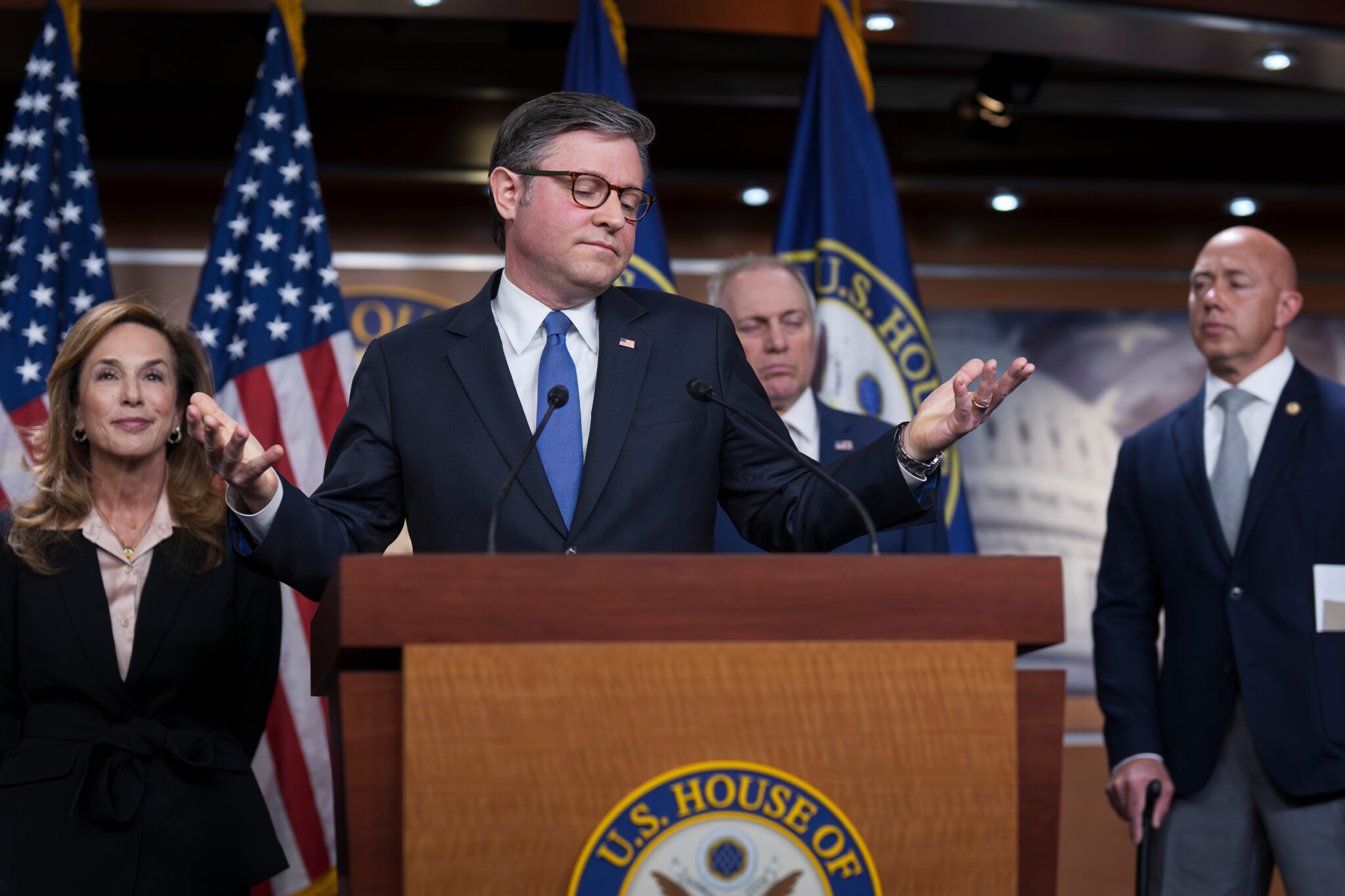
House Speaker Mike Johnson faced resistance from members of his own caucus, particularly conservatives who opposed funding DHS without securing money for immigration enforcement.
At the same time, moderate Republicans pushed leadership to act quickly, warning of political and practical consequences if the shutdown continued.
“This should have been done a long time ago,” Rep. Zach Nunn said, reflecting frustration among centrist lawmakers.
Senate Acted Earlier
The Senate had approved the bipartisan funding package weeks earlier, but the bill stalled in the House amid ongoing disputes.
Ultimately, mounting pressure — including warnings from DHS officials and concerns about airport disruptions — forced House leaders to bring the measure to a vote.
The decision to pass the bill without a recorded roll call underscores the political sensitivity surrounding the issue.
A Temporary Resolution
While the bill restores funding for much of DHS, it does not resolve the broader dispute over immigration enforcement funding.
Lawmakers are expected to continue negotiations on that issue in the coming weeks.
The funding package is seen as a stopgap measure to stabilize critical operations while allowing time for further debate.
Political and Operational Impact
The shutdown highlighted deep divisions in Congress over spending priorities and immigration policy.
It also underscored the challenges of governing with a narrow majority in the House, where internal disagreements can stall even urgent legislation.
For now, the approval of the DHS funding bill provides relief to workers and ensures continuity of essential services.
But the underlying political tensions remain unresolved.
More on US News
Comments are closed.