
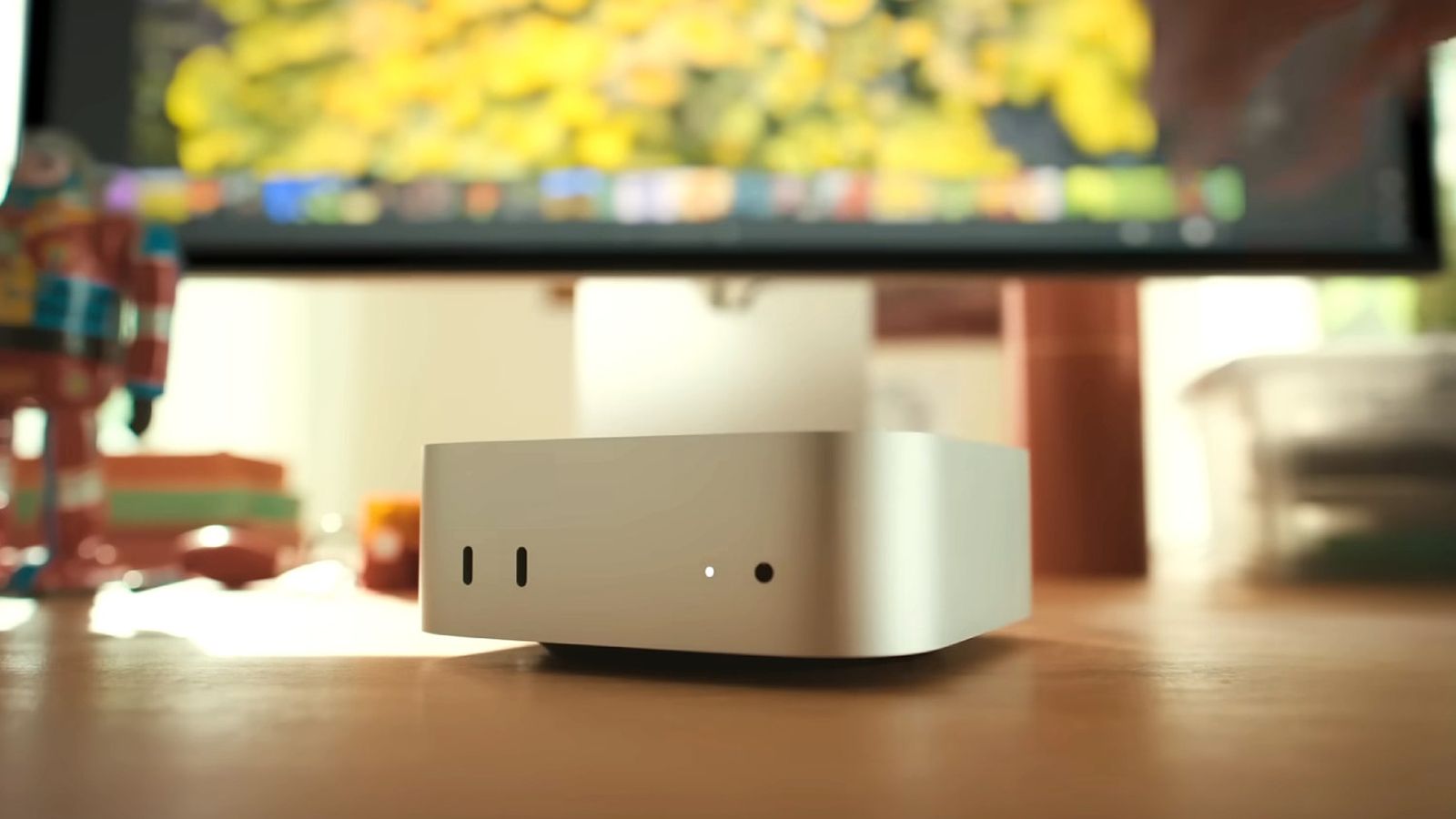

In a move that signals shifting dynamics in the global tech industry, Apple Inc. has raised the starting price of its Mac mini from $599 to $799. While price hikes are never popular with consumers, this one comes with a clear explanation: ongoing chip and memory shortages. These constraints are not unique to Apple—they’re part of a broader industry challenge fueled by the explosive growth of artificial intelligence (AI) technologies. As demand for high-performance computing rises, even tech giants are being forced to rethink pricing and product strategies.
Credits: TechRepublic
More Power, Higher Price
The updated Mac mini isn’t just more expensive—it’s also significantly more capable. Apple has upgraded the base model to include 512GB of storage and introduced the new Apple M4 chip, designed to handle increasingly complex workloads. This includes AI-driven applications like OpenClaw AI toolwhich require faster processing and greater memory efficiency.
For users, this means better performance and longevity, but it also raises an important question: is the Mac mini still Apple’s “budget-friendly” desktop? The answer is becoming less clear as entry-level pricing climbs higher.
The AI Effect on Global Supply Chains
At the heart of this price increase lies a deeper issue—a worldwide memory shortage. The surge in AI adoption has created unprecedented demand for advanced chips and memory components like DRAM. From startups to tech giants, everyone is competing for the same limited resources.
Even Apple, known for its supply chain mastery, is feeling the pressure. CEO Tim Cook recently acknowledged that sourcing key components has become more challenging. As AI tools become mainstream, the strain on hardware supply is only expected to intensify, affecting not just pricing but also product availability.
Strategic Tweaks to the Product Lineup
In response to these constraints, Apple is making calculated adjustments to its product lineup. Reports indicate that certain high-memory configurations, including a version of the Mac Studio, are being scaled back or dropped. This suggests a shift toward optimizing resources—focusing on models that can be produced efficiently without over-relying on scarce components.
This strategy reflects a broader trend in the tech industry: companies are prioritizing scalability and accessibility over niche, high-end configurations that are harder to sustain during supply shortages.
Strong Numbers in a Challenging Environment
Despite these hurdles, Apple’s financial performance remains impressive. The company recently posted a 17% increase in overall revenue, showcasing its resilience in a volatile environment. A significant contributor to this growth has been the iPhone, with sales jumping by 22%.
This surge highlights Apple’s ability to lean on its flagship products to drive growth, even as other segments face challenges. It also underscores the strength of its ecosystem, where multiple product lines support and reinforce each other.
What’s Next for Apple?
Looking ahead, Apple appears optimistic. The company is preparing to launch new devices, including the anticipated iPhone 17 and the rumored MacBook Neo. These upcoming products are expected to further integrate AI capabilities, positioning Apple at the forefront of the next wave of computing innovation.
However, the road ahead isn’t without obstacles. Continued supply chain disruptions could lead to further price adjustments or product changes. Much will depend on how quickly the global chip and memory markets stabilize.

Credits: NewsBytes
The Bigger Picture: A New Tech Reality
Apple’s decision to raise the Mac mini’s price is more than just a one-off change—it’s a reflection of a larger shift in the tech landscape. The rise of AI is not only transforming how we use technology but also how it is built and priced.
For consumers, this could mean paying more for better, AI-ready devices. For companies, it’s about navigating a complex balance between innovation and resource constraints. As the AI boom continues, one thing is certain: the economics of technology are evolving, and Apple’s latest move is just one sign of what’s to come.

Comments are closed.