
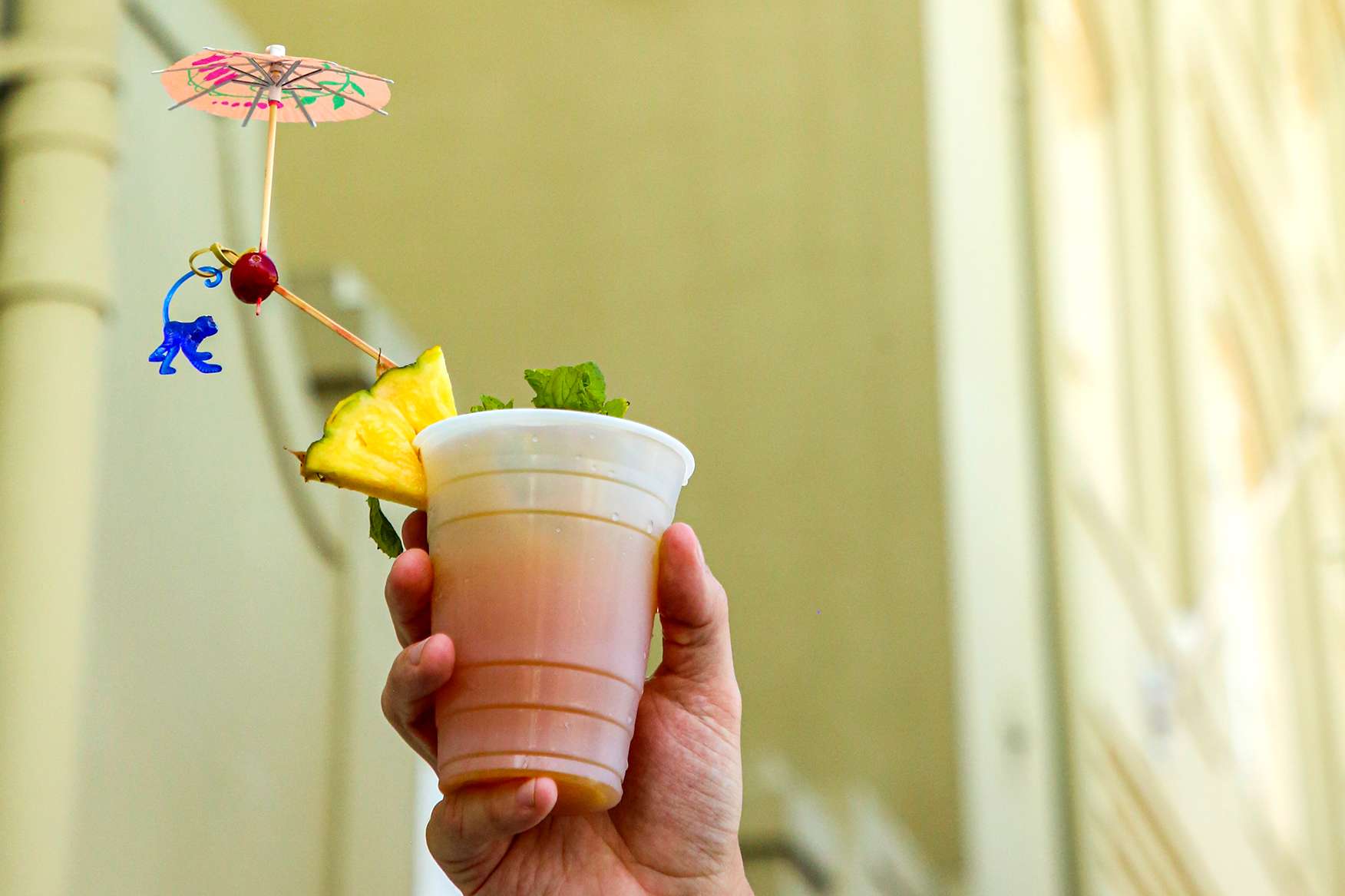

Cocktail garnishes may look small and decorative, but they often play a major role in the overall drinking experience. From citrus wedges and olives to herbs and edible flowers, garnishes are designed to add aroma, flavor, and visual appeal to cocktails. But many people still wonder: are these garnishes actually safe to eat?
According to bartenders and hospitality experts, the answer depends on several important factors, including how the garnish was prepared, stored, and handled before it reached your glass.
Why Garnishes Are Added to Cocktails
Garnishes are not just for presentation. In many cocktails, they enhance the flavor and aroma of the drink. A lemon peel can release citrus oils, mint adds freshness, and olives bring a salty contrast to cocktails like martinis.
Some garnishes are meant to be consumed, while others are added mainly for fragrance or appearance.
Are They Safe to Eat?
Most bartenders say cocktail garnishes are generally safe to eat in reputable bars and restaurants. However, there are a few things customers should know before automatically eating everything that comes with their drink.
Fresh fruit slices, olives, cherries, and herbs are usually edible, but cleanliness and handling practices matter significantly.
The Biggest Concern: Hygiene
One of the main concerns around cocktail garnishes is hygiene. Bartenders often handle citrus peels, herbs, and fruits throughout busy shifts, and improper handling can increase contamination risks.
Industry professionals recommend paying attention to the overall cleanliness of the bar. If the bar maintains good hygiene standards, the garnishes are more likely to be prepared safely.
Some experts also point out that garnishes left exposed for long periods may lose freshness or collect bacteria, especially in crowded environments.
Citrus Garnishes May Carry Residue
Orange wedges, lemon slices, and lime wheels are among the most common cocktail garnishes. However, bartenders note that citrus fruits can sometimes carry pesticide residue or surface contaminants if not washed properly before cutting.
High-end bars usually wash and prep fruits carefully, but standards can vary from place to place.
Not Every Garnish Is Intended to Be Eaten
Certain cocktail decorations are technically edible but not necessarily enjoyable to consume. Large peels, dehydrated fruits, cinnamon sticks, or smoky herbs may serve more as aromatic elements rather than actual snacks.
Edible flowers and specialty garnishes should also be approached carefully, as some decorative plants may not be food-safe unless specifically sourced for culinary use.
Bartenders’ Advice Before Eating Garnishes
Many bartenders share a few simple rules:
- Eat garnishes only if they appear fresh and properly prepared.
- Be cautious in places with poor hygiene standards.
- Avoid consuming decorative items you cannot identify.
- If unsure, ask the bartender whether a garnish is edible.
Most professionals say there is no major issue with eating garnishes at quality establishments, but using common sense is important.
Why the Debate Continues
Social media and cocktail culture have made garnishes more elaborate than ever. Today’s drinks may include smoked herbs, dried fruits, candies, flowers, or even miniature desserts. As garnishes become more creative, people naturally question what is safe to consume and what is purely decorative.
The reality is that cocktail garnishes are usually safe in trusted bars, but they are not always prepared with eating in mind.
Final Thoughts
Cocktail garnishes can add flavor, aroma, and personality to a drink, and many are perfectly fine to eat. However, cleanliness, preparation standards, and ingredient awareness all matter.
So before eating that orange wedge or fancy flower sitting on top of your cocktail, take a quick look at the bar’s hygiene standards — or simply ask the bartender. A little caution can make the experience both safer and more enjoyable.
Comments are closed.