
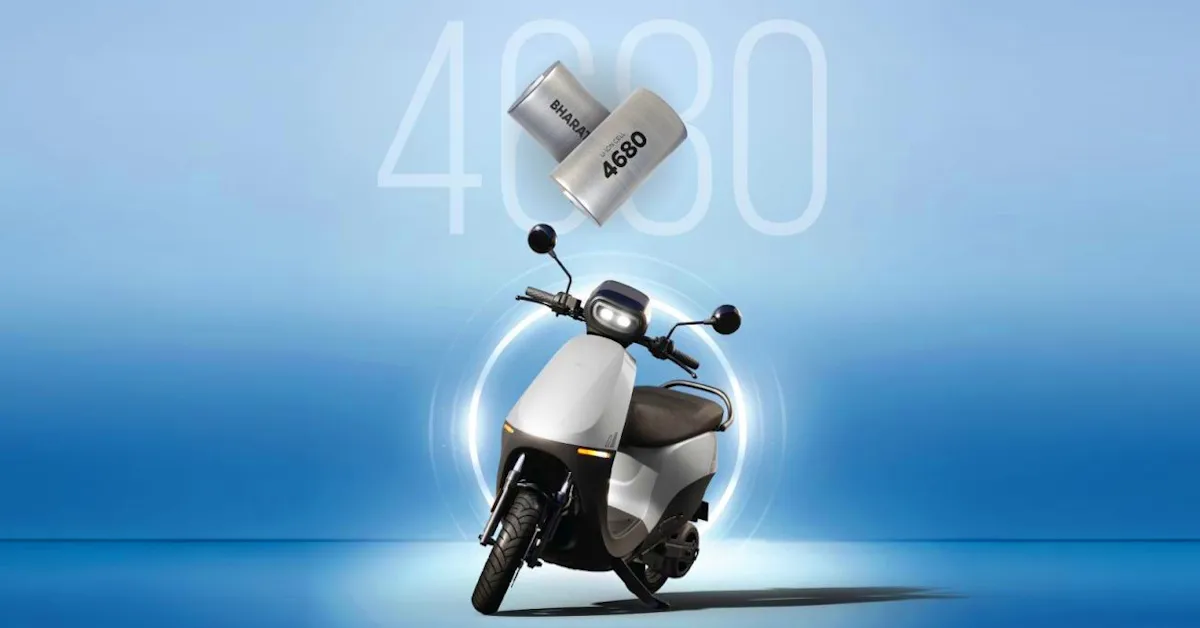

Ola Electric’s S1 X+ with the 5.2 kWh battery pack has received ICAT certification under the Central Motor Vehicle Rules, clearing it for commercial sale. The certification was issued by the International Centre for Automotive Technology in Manesar after a validation programme covering safety, performance, range and regulatory compliance.
With this approval, the S1 X+ 5.2 kWh becomes the longest-range product in Ola’s mass market scooter line-up. It is priced at Rs 1,29,999 as an introductory ex-showroom figure and claims a 320 km IDC range. The top speed is 125 km/h, and the scooter uses an 11 kW mid-drive motor with an integrated motor control unit.
That range claim is the main number here. A 5.2 kWh battery delivering a claimed 320 km works out to about 61.5 km per kWh under IDC test conditions. Real-world range will be lower, depending on rider weight, speed, mode, road surface, temperature and battery age. Even so, the certified figure gives Ola a strong number to market against rivals.

What makes this certification more important than a routine regulatory approval is the battery technology behind it. The S1 X+ 5.2 kWh uses Ola’s indigenously developed 4680 Bharat Cell, a cylindrical cell format linked to the company’s Gigafactory in Tamil Nadu. The 4680 name refers to the cell’s dimensions: 46 mm in diameter and 80 mm in length.
Battery cells are the costliest and most critical part of an electric scooter. They influence range, thermal performance, charging behaviour, long-term durability and pricing. Most electric two-wheeler makers in India still depend on imported or externally sourced cells. Ola is trying to reduce that dependence by making the cell a central part of its EV strategy.
Getting ICAT certification for a vehicle powered by an in-house cell is different from certifying a scooter with a battery pack assembled from supplier cells. The approval applies to the complete vehicle-battery system. It means the scooter has crossed regulatory validation at the product level, not just at the cell development level.
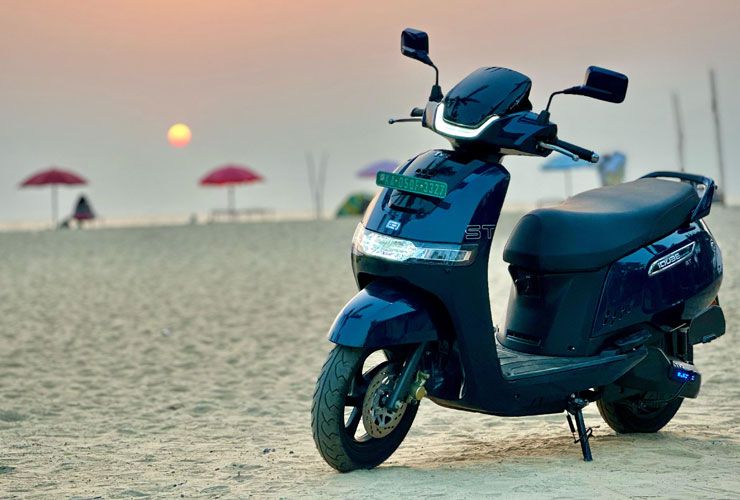
The 320 km IDC figure also gives Ola a clear on-paper advantage in the electric scooter space. For reference, TVS lists up to 212 km IDC range for the iQube ST 5.3 kWh, while the Chetak 35 Series is listed with up to 153 km range. Hero’s Vida V2 Pro and Ather Rizta also sit well below the 300 km mark on claimed range. These are not direct one-to-one comparisons because battery size, pricing, performance and test cycles vary, but they show why Ola is likely to push range as the headline feature.
The S1 X+ 5.2 kWh is also positioned differently from a basic city scooter. At Rs 1.30 lakh, it is not an entry-level EV. It sits in a part of the market where buyers compare range, battery warranty, charging convenience, brand reliability and service access before making a decision.
Ola is pitching the scooter strongly at non-metro markets, and the reason is clear. In large cities, many users have shorter daily commutes and better access to public or private charging. In smaller cities and towns, range anxiety is often a bigger barrier. A scooter with a certified 320 km range can cover several days of typical commuting for many users before needing a full charge.
That does not remove all concerns. Charging time, battery longevity, service reach and real-world range still matter. Ola’s service experience has also been under scrutiny in the past, so the product claim will need to be backed by consistent after-sales support. But the ICAT clearance removes the regulatory hurdle and allows Ola to start selling the scooter with its own Bharat Cell technology at scale.
Comments are closed.