
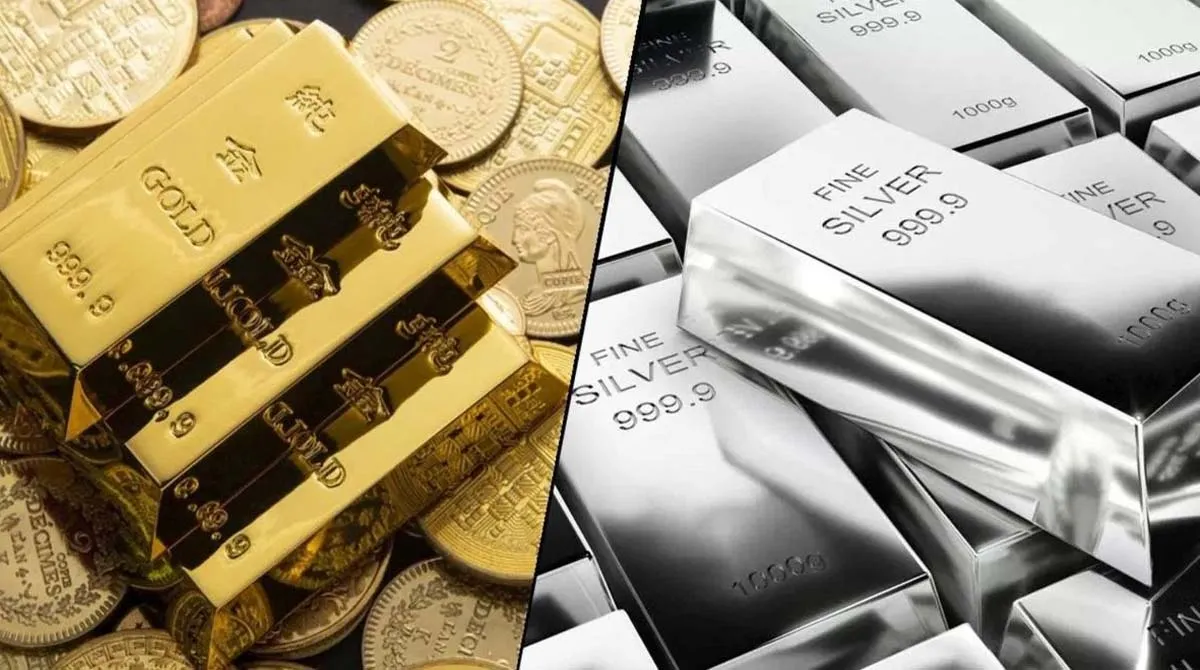
Big shock for gold lovers! No more jewellery, investing money in these 3 places will give huge returns

New Delhi: India is one of those countries in the world where gold is not just a metal but is considered a form of Goddess Lakshmi. Be it the wedding season or the festival of Diwali, Indians have an unbreakable relationship with gold. But, just imagine, what would happen if Prime Minister Narendra Modi appeals to the countrymen not to buy gold for a year and the country accepts it? Its effect will not be limited only to your safe or jewelery shops, but it can change the picture of the economy of the entire country.
If we look at recent figures, the annual gold demand of Indians is between 600 to 800 tonnes. India’s total gold demand in the year 2025 was recorded at about 710.9 tonnes. The biggest share in this is jewellery, but now people are also investing a lot of money in gold bars, coins and ETFs. The figures for the first quarter of the year 2026 are shocking, where the share of investment in the total demand of 151 tonnes has overtaken that of jewellery.
Gold craze and forex game in India
The desire for gold in India has a direct connection with our traditions and sense of security. Every year tons of gold is purchased in the name of festivals and weddings. The surprising thing is that India imports almost its entire gold requirement from abroad. Whenever we buy gold, billions of dollars of foreign currency goes out of the country. Experts say that the country’s trade deficit increases due to huge amount of gold import, which has a direct impact on the economic health of the country.
If gold buying stops, rupee will strengthen
If Indians curb their ‘gold craving’ for a year, the biggest benefit will be seen in the country’s import bill. As soon as the import of gold reduces, it will help the government to save precious foreign exchange. This will reduce the pressure on the rupee against the dollar in the international market and the Indian currency may become stronger. According to economists, this will reduce the ‘Current Account Deficit’ (CAD) i.e. trade deficit, so that the country’s money can be used in India’s development works and infrastructure instead of going out.
Stock market and banks’ silver, ways of investment will change
In India, people often leave their money invested in gold, which is also called ‘dead investment’ or passive investment. If this money is invested in bank FD, mutual fund (SIP), stock market or government schemes instead of gold, then the pace of the economy can double. With banks having more capital, industries will be able to get cheaper loans. At the same time, increasing investment in the stock market will help companies in expanding their business, which will create new job opportunities in the country.
There will be a challenge for jewelery business and employment
The other side of the coin is that the impact of reduced demand for gold will not be good everywhere. India’s jewelery sector provides livelihood to millions of people. If demand remains stagnant for a year, small goldsmiths, artisans and big jewelery showroom owners will suffer huge losses. There may be silence during the wedding season and people associated with this sector may face employment crisis. That is why experts believe that instead of stopping purchases completely, it is more important to balance investments.
Will the thinking of Indians change?
If such a situation ever arises, it can completely change the investment culture in the country. Even today, gold is the safest investment for the elderly, but the younger generation is now moving towards digital gold, SIP and equity. By reducing dependence on gold, ‘productive investment’ will increase in the country. However, it is almost impossible for Indians to break the bond with gold, because for us it is not just a means of investment but is a part of emotions and age-old traditions.

Comments are closed.