
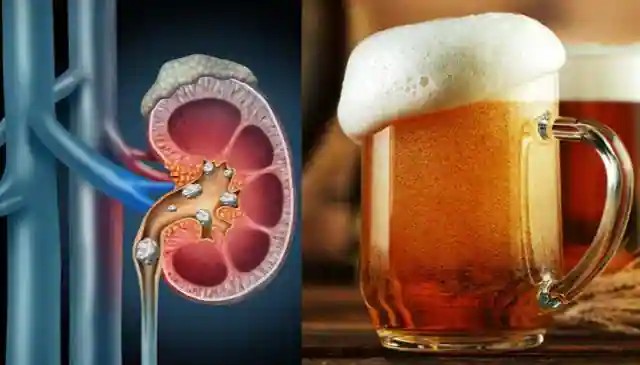

Many people believe drinking beer can help flush out kidney stones, but doctors warn that the viral claim is misleading and may actually worsen the condition in some cases.
The belief that beer helps remove kidney stones has been circulating for years on social media and through word-of-mouth remedies. However, kidney specialists say the claim is largely a myth and excessive beer consumption may do more harm than good.
Doctors quoted in recent reports said beer does not dissolve kidney stones or directly help remove them from the body. While beer is a liquid, alcohol acts as a diuretic, meaning it increases urination and can lead to dehydration if consumed in excess. Dehydration is considered one of the major risk factors for kidney stone formation.
Nephrologists explained that when the body loses more fluids through alcohol consumption, minerals in the urine become more concentrated. This increases the chances of stone formation instead of reducing it.
Experts also pointed out that beer can raise uric acid levels in the body. Higher uric acid levels may increase the risk of uric acid stones, a common type of kidney stone. Regular or excessive alcohol intake may also contribute to weight gain and metabolic problems, which are linked to a greater risk of developing kidney stones over time.
Doctors said many people incorrectly replace water intake with beer, believing it will “flush out” stones. According to specialists, this can further increase dehydration and worsen the situation.
So what actually helps?
Medical experts say the most effective and scientifically proven way to prevent or manage kidney stones is maintaining proper hydration. Drinking enough plain water throughout the day helps dilute urine and lowers the concentration of minerals that can form stones.
Doctors generally recommend consuming enough fluids to produce around 2 to 2.5 liters of urine daily. Depending on weather conditions and activity levels, this may require drinking around 8 to 12 cups of water a day.
Apart from hydration, specialists also advise reducing excessive salt intake, limiting very high animal-protein diets and following a balanced diet. In some cases, lemon water may help because citrate found in lemons can reduce stone formation risk.
Experts stressed that kidney stones vary in size and type, and treatment depends on the condition. Small stones may pass naturally with fluids and medicines, while larger stones may require medical procedures.
Doctors advised people not to rely on viral internet remedies and to seek medical advice if they experience severe pain, blood in urine, fever or repeated stone episodes.
Disclaimer: This article is for general awareness only and should not be considered medical advice. Readers should consult qualified healthcare professionals for diagnosis and treatment.

Comments are closed.