
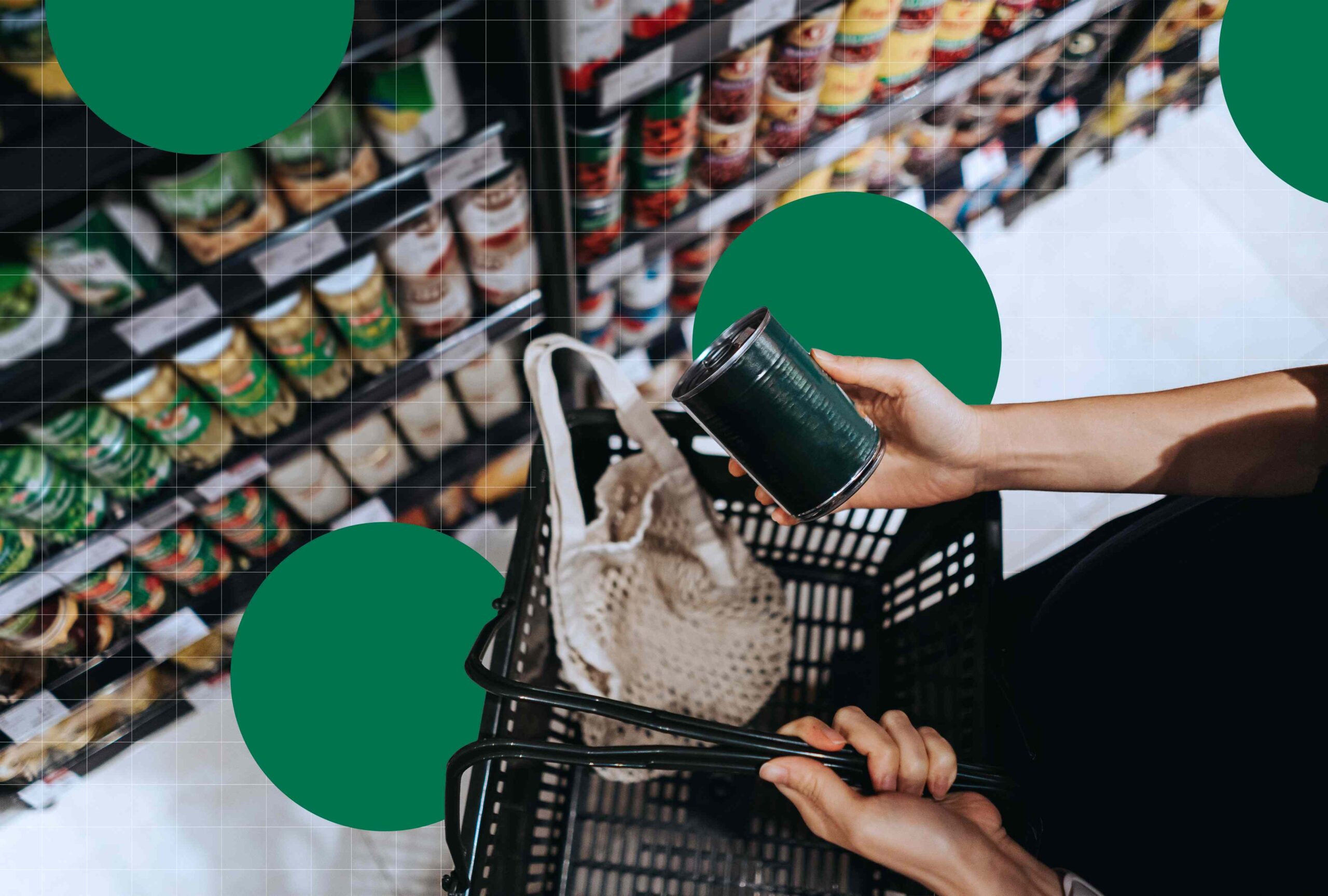

When buying these veggies, dietitians recommend you opt for canned over fresh.
Reviewed by Dietitian Alyssa Pike, RDN
Key Points
- Canned vegetables are nutritious, affordable and convenient.
- Dietitians recommend canned pumpkin, beans, artichokes and hearts of palm over their fresh counterparts.
- Use canned veggies in soups, salads, pasta or snacks.
We all know we should be eating more vegetables. In fact, you might dutifully stock your fridge with plenty of fresh vegetables every week from the grocery store. But sometimes life happens and your once-fresh veggies are wilting in the crisper drawer a week or two later. (We’ve done it too!) That’s where canned vegetables can come in handy. Their long shelf life means you can worry less about them going bad before you’ve had a chance to cook them up.
Canned vegetables carry the stigma that they’re less nutritious than their fresh or frozen counterparts, but they are actually highly nutritious as well as convenient and affordable. In fact, they count just the same as fresh or frozen vegetables toward the recommended three servings of vegetables per day. And did you know that the canned version of some vegetables may be the better option over fresh? We asked dietitians, and these were the four vegetables they recommend buying canned versus fresh.
1. Pumpkin
Cooking pumpkin from the raw squash can be quite time consuming—that’s why reaching for the canned option is so convenient. “When you need pureed pumpkin for a baked good or sauce, or simply want pumpkin when it’s out of season, the canned variety is the way to go. You always know what you’re getting consistency-wise, plus you still get all the beta-carotene and fiber benefits,” says Jackie Newgent, RDN.
Speaking of fiber, pumpkin provides an impressive 3.5 grams per ½-cup serving of canned pumpkin. Most of that fiber is soluble fiber, which forms a gel in the digestive tract, making stools easier to pass and helping to lower cholesterol. Adding canned pumpkin to your diet is also a good way to score more potassium. Most of us aren’t getting enough of this mineral that plays a critical role in hydration and blood pressure control. Just be sure to pick up 100% canned pumpkin without added sugars or salt. Beyond fall baking, use your canned pumpkin throughout the year in oats, smoothies and soups.
2. Beans
“Canned beans are affordable, accessible, nutrient-dense and incredibly convenient,” says Lauren Harris-Pincus, M.S., RDN. Unlike dried beans, which often need to be soaked and then cooked, you can just pop open a can of beans and add it straight into your recipe alongside a host of nutrients. “Canned beans offer a double bonus of 7 to 9 grams of plant-based protein plus 5 to 8 grams of fiber per ½ cup drained. They also contain folate, potassium, iron and zinc, as well as antioxidants,” adds Harris-Pincus.
Canned beans do have more sodium than the dried variety, but that doesn’t have to be a deal-breaker. “For anyone concerned about sodium, look for low-sodium varieties or simply rinse the beans well to remove up to 41% of the sodium,” she suggests. Keeping your pantry stocked with beans opens up a variety of culinary opportunities. “Add beans to salads, soups, salsas, veggie dishes, tacos, whole-grain bowls or dips like hummus. Roast some canned chickpeas with your favorite spices for a crunchy, protein- and fiber-packed plant-based snack,” she suggests.
3. Artichokes
Artichokes are an intimidating vegetable to cook from fresh—so skip the prep work and opt for canned ones instead. “It doesn’t get much easier than zipping open a can of artichoke hearts and then plopping the tender veggies into pastas or salads … or onto pizza!” says Newgent. “They’re naturally packed with gut-friendly fiber, including inulin, which is a prebiotic fiber,” she adds. Those prebiotics can have a positive impact on your gut health since they feed the good bacteria in your gut microbiome. Just ½ cup of canned artichoke hearts provides a whopping 4 grams of fiber.
Artichokes are also surprisingly rich in antioxidants, plant-based compounds that can tackle both oxidation and inflammation by neutralizing free radicals—unstable molecules that can damage your body’s cells and contribute to disease.
4. Hearts of Palm
Canned vegetables can help you add variety to your vegetable routine. Since canned varieties are prepped and precooked, buying canned can make adding a new veggie less intimidating. Pincus suggests giving hearts of palm a try if you haven’t already. “Hearts of palm feel fancy when added to salads, dips, eaten solo as a snack, or even as a faux substitute for seafood. They are a rare find if looking for a fresh variety due to their very short shelf life. Canned hearts of palm are easy to access and shelf-stable to enjoy whenever you need them,” says Pincus. Hearts of palm can help you double down on gut health. For one, they are a good source of fiber, providing 3.5 grams per 1-cup serving. Second, they also provide prebiotics to help your beneficial gut bacteria thrive.
Easy Ways to Enjoy Canned Veggies
Now that you’ve stocked your pantry, here are some easy ways to put those canned vegetables to good use.
- Stir them into eggs. Think of eggs as a blank slate that only gets better as you add veggies, cheese and seasonings. Try stirring some canned beans or tomatoes into your next scramble, or fill your omelet with canned veggies like artichoke hearts.
- Add them as salad toppers. Many canned vegetables work well on a salad. Canned beans are a no-brainer for added fiber and protein, while artichoke hearts and hearts of palm can give your salad a fiber and flavor boost.
- Make a quick soup. To cut down on prep time, use canned vegetables to make a quick soup—no chopping required. Just combine a few cans of veggies, some beans and broth, then season to taste. Don’t overlook canned pumpkin as a tasty addition to soups and chili as well.
- Pair with pasta. Canned vegetables are an easy and convenient way to add more nutrients and fiber to pasta dishes. Just stir them straight into the sauce or add to baked pasta dishes.
Our Expert Take
When you are trying to up your vegetable intake, don’t overlook the canned food aisle. Canned vegetables are nutritious, affordable and convenient since the prep work has been done for you. What’s more, dietitians say that canned pumpkin, beans, artichokes and hearts of palm may be even better than fresh. So next time you’re stocking up on veggies, add these canned vegetables to your cart.

Comments are closed.