
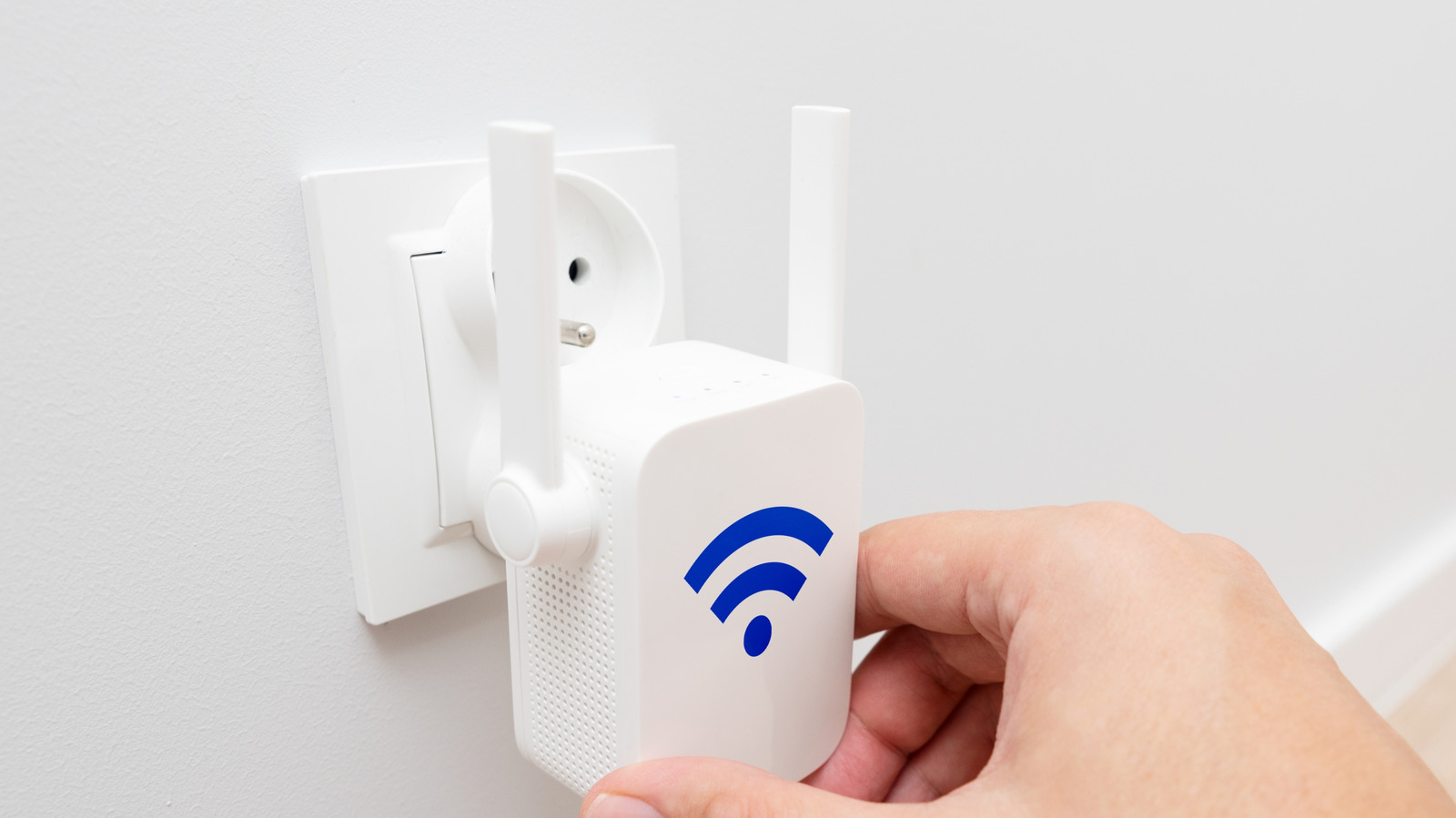

If you want to get the most from your Wi-Fi without worrying about cable management, you should try relocating your router to an optimal location. Think of a central, elevated position that’s free from obstructions like walls and electronic appliances. If this doesn’t help or relocation is impossible, investing in a Wi-Fi extender might be a viable option.
A Wi-Fi extender, also known as a wireless repeater, is a small device that works by sitting roughly midway between your router and dead spots. Its duty is to rebroadcast your Wi-Fi signal to areas with little to no coverage — think upstairs, offices, the basement, and even outside the walls of your home. However, even though Wi-Fi extenders offer tons of perks, it’s wise that you don’t think of them as a slam-dunk fix for all your signal woes. There are scenarios where investing in a Wi-Fi extender won’t make sense because, in some setups, it’s not needed.
For instance, if you’re using an old router that lacks modern features like multi-channel support and extended range, and you want to extend your Wi-Fi range outside your home, upgrading to a more powerful router might help. Also, you shouldn’t jump into investing in a Wi-Fi extender if you’re looking for high-speed, whole-home coverage. Extenders can slow down your internet speed, and they won’t be effective in large outdoor spaces. Plus, since they often work by creating a separate network, you will have to switch between networks manually when you move from one location to another.
The slightly pricier alternative to Wi-Fi extenders
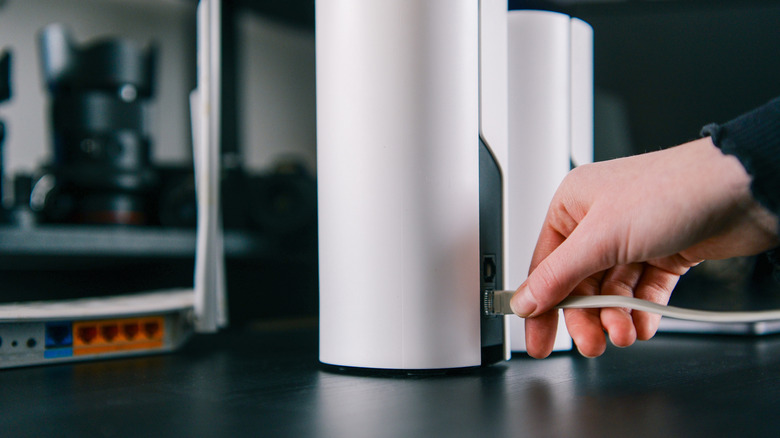
Considering the cons of Wi-Fi extenders, if you’re having connection issues after upgrading your router, it’s best to consider alternatives like a mesh system. Often marketed as a whole-home Wi-Fi solution, a mesh system delivers better, more consistent coverage in a seamless way without reducing speeds. Unlike extenders, which usually repeat your Wi-Fi signal to boost its range, a mesh system solves Wi-Fi coverage woes by creating a unified network that covers your entire home.
How? Instead of relying on a single router, this system uses nodes — also known as satellites — placed around your house to create multiple connectivity points for your wireless signal to broadcast from. This results in a stronger, more consistent signal across every room. Plus, if you want to move between rooms, your device will remain connected at all times, since you’ll be using the same network name (SSID) and password.
While this system offers a significant upgrade in your network’s coverage quality, it comes with a catch: the hefty price tag. You can expect a reliable mesh system to cost anywhere from $100 to over $700, with the fastest models costing $1,300. For this reason, before you install a mesh system or an extender, consider these additional tips that can help your home Wi-Fi network perform at its best. Think of updating your router’s firmware, switching to a wired Ethernet connection, changing the channel, and adjusting your Wi-Fi router’s antennas.

Comments are closed.