
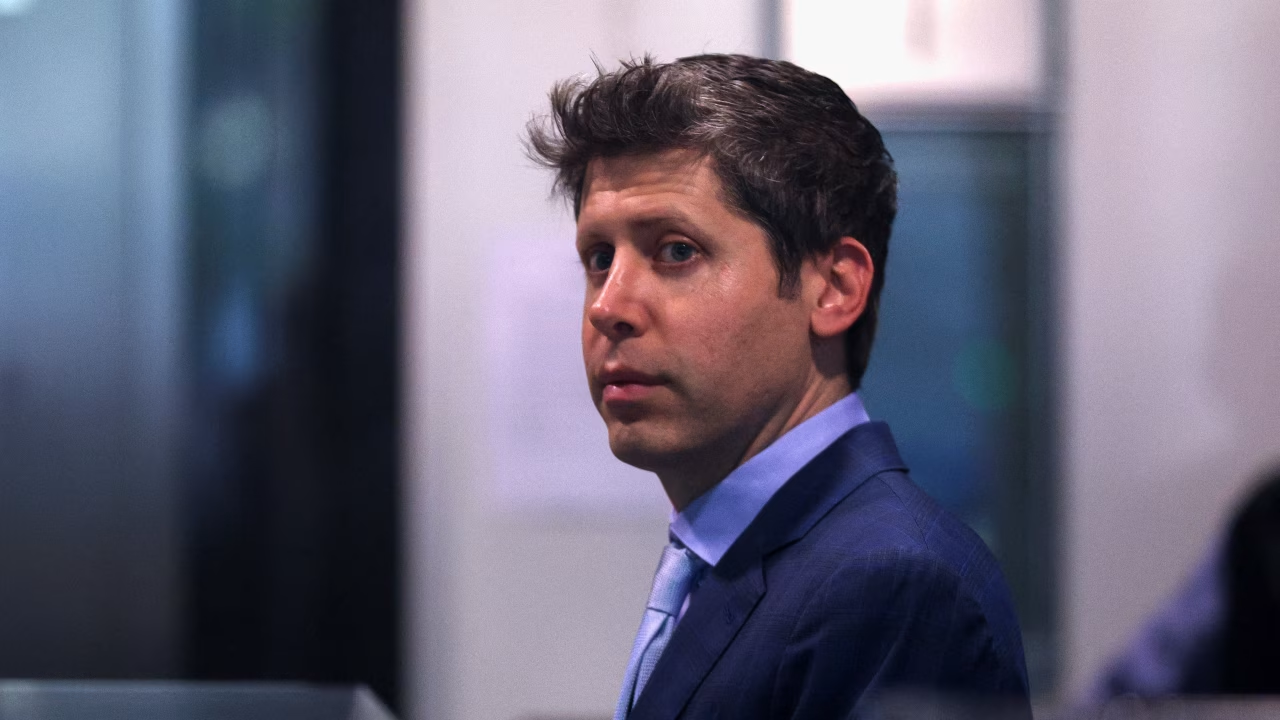

The road to Wall Street is becoming increasingly complicated for Sam Altman and OpenAI.
As OpenAI prepares for what many analysts believe could become one of the largest tech IPOs in history, the company is now facing mounting political pressure from lawmakers and Republican state officials in the United States. Questions around corporate governance, investment transparency, and possible conflicts of interest are beginning to dominate conversations around the AI giant.
At the center of the controversy is Sam Altman himself — the face of the global AI boom and one of Silicon Valley’s most influential leaders.
Credits: WSJ
Republican Attorneys General Want SEC Investigation
The latest pressure comes from six Republican attorneys general who have reportedly asked the US Securities and Exchange Commission (SEC) to investigate Altman’s business dealings and investment relationships.
Their concerns revolve around the unusual structure of OpenAI and Altman’s financial involvement with companies that may benefit from OpenAI partnerships or support.
According to the allegations, Altman allegedly encouraged OpenAI to back startups in which he personally held investments, including nuclear fusion startup Helion Energy. Critics argue that such relationships could potentially create conflicts of interest, especially as OpenAI’s influence and valuation continue to skyrocket.
The Republican officials are reportedly worried that Altman’s lack of direct equity ownership in OpenAI may create governance complications that could ultimately impact institutional investors, including state pension funds that may later invest in the company once it goes public.
The SEC has not publicly confirmed whether it will launch a formal investigation.
Why OpenAI’s Structure Is Raising Eyebrows
Unlike traditional tech companies, OpenAI operates through a highly unusual corporate structure.
Originally founded as a nonprofit AI research lab, the company later transitioned into a “capped-profit” model that allows investors to earn limited returns while the nonprofit entity retains overarching control.
That structure has already sparked debates in Silicon Valley and Washington over accountability and decision-making power.
The situation became even more controversial in late 2023 when OpenAI’s board abruptly fired Sam Altman before reinstating him just days later following employee backlash and pressure from investors like Microsoft.
That episode exposed internal governance tensions at the company and raised larger questions about who truly controls one of the world’s most powerful AI organizations.
Now, with OpenAI potentially heading toward a blockbuster IPO, those governance concerns are returning to the spotlight.
Bret Taylor Defends Altman
OpenAI chairman Bret Taylor has publicly defended Altman against the allegations.
According to Taylor, Altman has been transparent about his investments and has followed proper procedures whenever potential conflicts emerged. Taylor specifically pointed out that Altman reportedly recused himself from OpenAI decisions involving Helion.
Supporters of Altman argue that startup investing is common among Silicon Valley executives and that many tech leaders maintain broad investment portfolios across emerging industries.
They also believe the political scrutiny reflects growing anxiety in Washington about the rapid rise of artificial intelligence and the immense power being concentrated within a handful of companies.
Still, critics say OpenAI’s enormous influence demands a much higher level of transparency than a traditional startup ecosystem.
The Stakes Couldn’t Be Bigger
OpenAI is no longer just another AI startup.
The company has become one of the defining forces shaping the future of artificial intelligence, thanks largely to products like ChatGPT. Its partnerships, infrastructure investments, and research breakthroughs now influence industries ranging from education and healthcare to defense and finance.
That explosive growth has pushed OpenAI’s valuation into territory usually reserved for the world’s biggest technology giants.
An eventual IPO could attract enormous investor demand and potentially reshape the public markets’ AI landscape overnight.
But heightened political and regulatory attention could complicate those ambitions. Investors typically prefer stability and predictable governance before backing massive public offerings, especially in sectors already facing increasing government oversight.
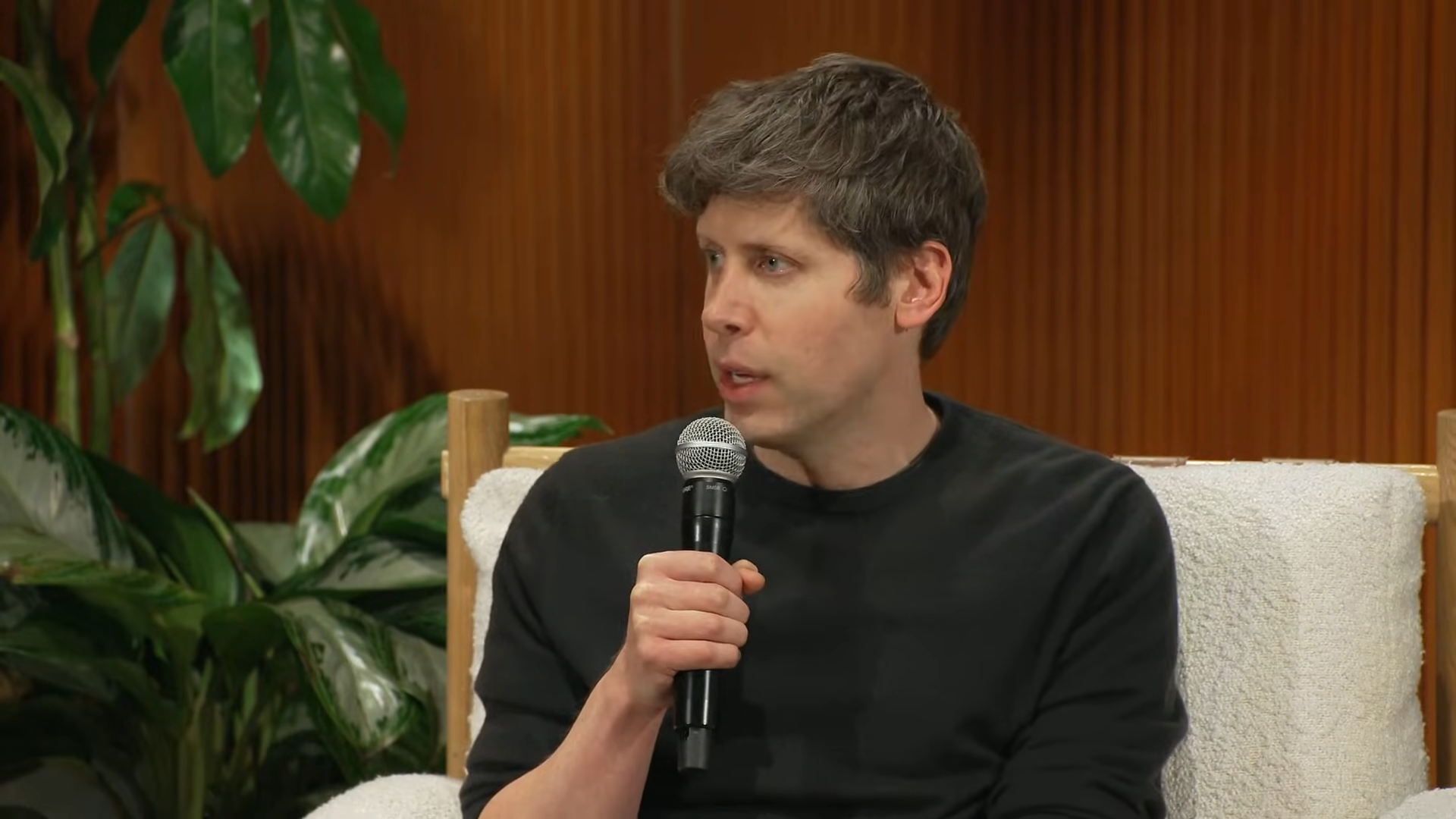
Credits: The Decoder
AI’s Biggest Company Enters A New Era
The scrutiny surrounding Sam Altman highlights a broader shift happening across the AI industry.
For years, artificial intelligence companies operated largely like experimental research labs backed by venture capital. But now, AI has become deeply tied to geopolitics, financial markets, national security, and global economic competition.
That means leaders like Sam Altman are no longer viewed simply as startup founders. They are increasingly being treated like some of the world’s most powerful corporate and political figures.
And as OpenAI inches closer to a historic IPO, the pressure surrounding the company is only expected to intensify.

Comments are closed.