


Plus more good news this week.
Medically reviewed by Emily Lachtrupp, M.S., RD
Key Points
- SnackPro app uses AI to help people with food allergies identify allergens in meals and packaged foods.
- The app offers features like language translation for those traveling with food allergies.
- Plus more good news this week, including PCOS’ important name change.
This is Good Food Newsyour weekly installment of positive food and health news from around the world. These feel-good stories are hand-picked by EatingWell editors to help make your week just a little bit brighter.
Featured Story: The App That Can Help Save Lives By Detecting Allergens on Your Plate
When we playfully say, “phone eats first,” we’re usually referring to the aesthetic picture we take of our food at a restaurant to eventually post on Instagram before taking a bite. But that’s for the looks; Allon Mason is giving the phrase a different meaning with his new app, which adds an extra layer of intention and purpose to your food photoshoot.
Meet SnackProan app transforming mobile devices into a much-needed tool for people with food allergies. The idea struck Mason when things got a little complicated in his household with his daughter Melissa’s multiple food allergies.
“We travel a lot, so every time we travel, whether it’s to a foreign country or somewhere with different languages, it’s really hard to make sure that whatever food that we provide Melissa is free from those allergens,” Mason tells EatingWell. “How do you verify that you’re giving your child something that isn’t dangerous for them? It was a very high friction and fragmented experience.”
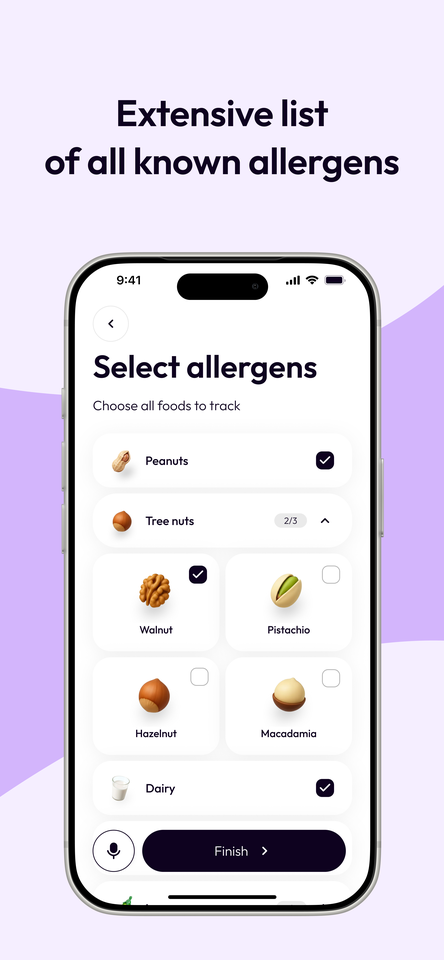
One of Melissa’s favorite features of the app is language translation, where you can simply open the app and flip your phone horizontally to list your allergens in any language.
“It’s going to use your geolocation, so anywhere you are in the world, you can switch languages and easily communicate your allergies to servers and chefs,” Mason explains. “So if you’re in a noisy environment or you’re in an area where you might not speak the language, you can just turn your phone 90 degrees, and it’s much easier way to communicate your allergens”
But even for packaged food at home, the allergen list is a challenge. “May contain” or “processed in a facility with” are cross-contamination warnings that add a layer of uncertainty for the consumer: do you take the risk? Simply take a photo of the food or drink packaging with the app and it quickly breaks down the risk factors from the label.
 | 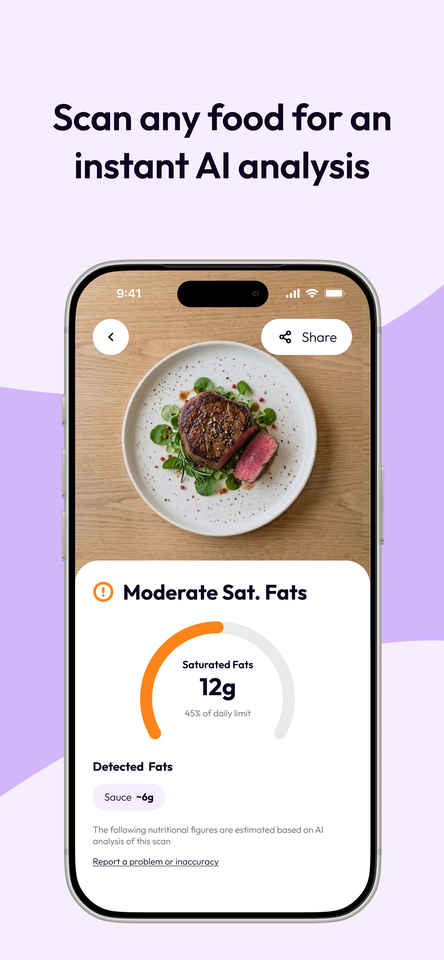 |  |
All that aside, there’s no way of telling if your plate at a restaurant has been exposed to allergens—unless you have specialty tools like a gluten sensor, which can cost upwards of $300. Using AI technology, the SnackPro app scans your plate for ingredients that may be challenging to detect with the human eye. If you’re not quite sure if your salad has sesame seeds, or if your fish has a pistachio crust, SnackPro’s scanner can spot potential allergens.
“We give every new user 30 free scans to try it out and see if it’s something that they think can help them, and then they can start a monthly subscription for $5.99 a month,” Mason says. “For $6 a month, to get this level of certainty and confidence around food, that for me is invaluable.”
What’s next for SnackPro? Going beyond the world of allergens and detecting nutrition content of foods for people with conditions like diabetes and high blood pressure, or for those who are pregnant.
“We’re adding what we call multi-tracking, so you could define your allergens, but then also have it indicate if a food has high sodium, high added sugars, high saturated fats and so on,” Mason shares. He notes that the app will use data from the USDA to determine parameters for recommended daily limits.

Credit: Courtesy of Allon Mason
More Good News This Week
PCOS Has a New Name, and It’s a Good Thing
This week, medical experts agreed in The Lancet that it’s time to rename polycystic ovary syndrome (PCOS). PCOS is now polyendocrine metabolic ovarian syndrome (PMOS) to divert the focus from ovarian cysts to multiple factors of hormone health and the metabolic system. This shift will hopefully improve care and more accurate diagnoses for millions.
No, Seed Oils Are Not Bad for You
Seed oils get a bad rap, but if you’re using them as a replacement for saturated fats, they’re actually a heart-healthy choice. A recently published review in Critical Reviews in Food Science and Nutrition emphasizes that seed oils are overall safe to consume, and any “evidence” claiming that they cause inflammation or any health defects have officially been debunked.
Meet the Chef Preserving Hawaiian Food Traditions
At Aulani Disney resort in Hawaii, chef Craig Sako helps visitors from around the world connect with and enjoy traditional Hawaiian cuisine. This means serving up sake and teaching a poke-making class at the resort. While he leads a traditional class featuring raw fish as the hero ingredient, he offers advice for guests wanting to make a twist on the dish at home with tofu or steak, telling EatingWell that “it’s about connection to the dish and making it more approachable.”
Video of the Week
@francescarietti found your new biggest fans @Uber Eats
♬ original sound – Francesca Rietti
I mean, from grandma’s note-taking to grandpa’s self-love screensaver, consider our hearts warmed. After this wholesome video, we’re hankering for wholesome recipes, like these grandparent-approved, highly-rated dishes (no UberEats needed):

Comments are closed.