


For most people, ‘rice’ usually means ‘Basmati’. It is long, fragrant, fluffy, and one of India’s most famous exports. It is the rice most of us grew up seeing at festivals and special family meals. But long before polished white rice became common, India had thousands of indigenous rice varieties growing across different states. Some are naturally sweet-smelling, and others are deep black or bright red. And unlike commercial rice, many of them have unique flavors and aromas.
Incredible Indigenous Rice Varieties Of India
1. Joha Rice From Assam
If Assam had a signature rice, it would be Joha. This beautiful aromatic rice has been grown in Assam for hundreds of years. The grains are much smaller and rounder, and they do not have that long shape people usually associate with premium rice. But what Joha lacks in size, it makes up for in fragrance. The moment it starts cooking, a naturally sweet floral smell fills the kitchen.
When cooked, Joha becomes soft but stays non-sticky. This GI-tagged rice is commonly used in Assamese homes for pulao, special festive meals, and even sweet dishes like kheer. While it is hugely popular in Assam, many people outside the Northeast are still discovering it.
2. Gobindobhog From West Bengal
Photo: Pexels
In West Bengal, Gobindobhog is tied to tradition. This rice has been grown for centuries and is closely connected to temple rituals and religious offerings. The grains are tiny, white, and rounded. Their warm, buttery smell is very different from Basmati’s light floral fragrance. Its texture is soft and moist.
Bengalis love using it for khichuri, payesh, pulao, and festive dishes. During Durga Puja, many traditional meals feel incomplete without it. It is extremely popular in Bengal but still not as well known in the rest of India. In 2017, the West Bengal government protected the authenticity and legacy of Gobindobhog rice by granting it Geographical Indication (GI) status.
3. Chak-Hao Black Rice From Manipur
Few rice varieties are as remarkable as Chak-Hao. This black rice from Manipur looks almost unreal. Before cooking, the grains are deep black. Once cooked, they turn a rich dark purple. For centuries, this rice was considered so valuable that it was often reserved for royalty and special occasions. Its taste is slightly sweet and nutty, the aroma is gentle but pleasant, and the texture is chewy and satisfying. It takes longer to cook than regular rice, but the result is worth the wait.
One of its most famous uses is Chak-Hao kheer, where the black grains create a naturally purple dessert. It is also used in salads, puddings, and festive meals. It is very popular in Manipur and loved by health-conscious food lovers because it is naturally rich in antioxidants. Chak-Hao, which literally translates to ‘delicious rice’ in the local language, was granted a GI tag in 2020.
4. Mappillai Samba From Tamil Nadu
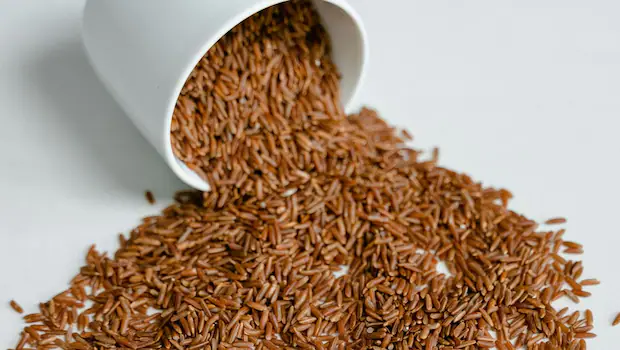
Photo: Pexels
This red rice comes with one of India’s most fascinating stories. Mappillai Samba means “Bridegroom’s Rice.” Long ago in Tamil culture, bridegrooms had to prove their strength before marriage through physical challenges. This rice was believed to give them stamina and energy. The grains are reddish-brown and much tougher than polished white rice.
Its flavor is earthy and nutty, and it takes longer to cook. It is commonly used in dosa batter, porridge, idlis, and traditional Tamil meals. Though it was once fading away, it has become popular again because people now value traditional healthy grains.
5. Kalanamak From Uttar Pradesh
Kalanamak is one of India’s oldest rice varieties, with a history linked to Lord Buddha. According to legend, Buddha gifted its seeds to local farmers over 2,500 years ago. Its name means “black salt,” referring to the dark outer husk. Once cooked, it gives off a strong natural aroma often compared to freshly popped popcorn.
Its grains are shorter but still fluffy. The taste is delicate and slightly sweet, making it ideal for pulao and simple rice dishes where its aroma can shine. It was once close to disappearing because farmers shifted to high-yield commercial crops. In 2012, the government granted this fragrant rice variety a GI tag.
6. Njavara From Kerala
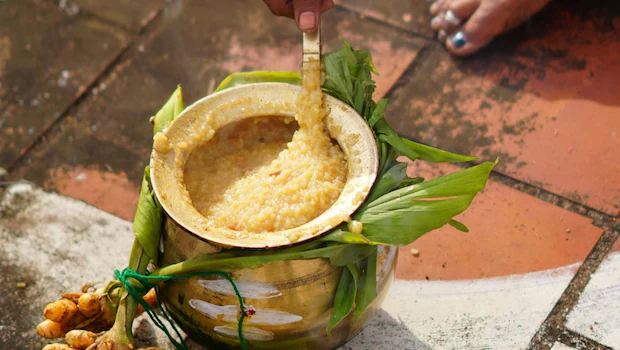
Photo: Pexels
This ancient rice from Kerala has been used in Ayurveda for over 2,000 years. Its grains are reddish and have an earthy, herbal aroma. The taste is stronger and slightly bitter compared to regular rice, which is why it is often considered an acquired taste.
Unlike regular rice varieties, which are eaten for enjoyment and celebration, Njavara is often eaten for health and wellness. It is commonly used in Ayurvedic porridges and healing diets. It is highly respected in Kerala but not commonly eaten elsewhere. Its official designation as a medicinal rice variety that helps with conditions like psoriasis, diabetes, osteoporosis, etc. is what makes it unique.
7. Ambemohar From Maharashtra
The name “Ambemohar” means “mango blossom fragrance,” and that description is beautifully accurate. This short-grain rice from Maharashtra releases a delicate aroma that reminds people of blooming mango flowers. Its fragrance is softer and more floral. It is commonly used in masale bhaat, bhatachi pej, and other festive Maharashtrian meals. This GI-tagged rice variety is beloved across Maharashtra but still not widely known outside the state.
8. Kavuni From Tamil Nadu
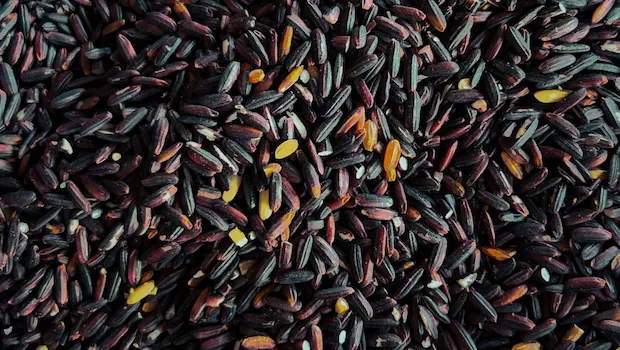
Photo: Pexels
Kavuni rice was once reserved only for royalty. Common people were not allowed to eat it because it was considered too precious. This black rice has a rich, nutty sweetness and a chewy texture. It is often cooked slowly and turned into traditional sweet dishes with jaggery and coconut. The most famous is Kavuni Arisi Sweet, a festive dessert. Unlike light, fluffy rice we’re used to, Kavuni is dense and dramatic.
India’s indigenous rice varieties show that this grain can be floral, earthy, black, red, medicinal, chewy, creamy, nutty, or buttery.

Comments are closed.